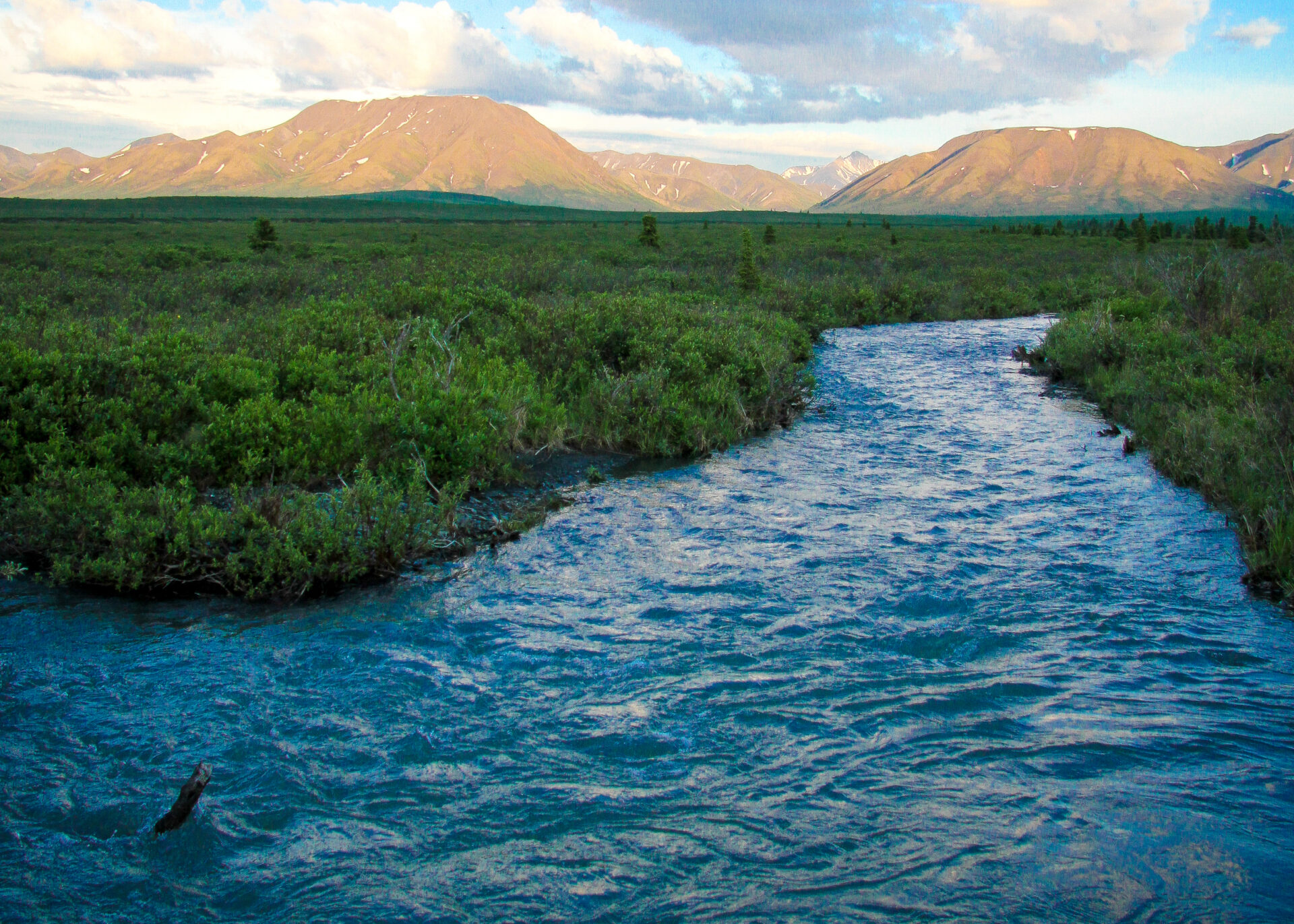
Rivers are the lifeblood of our planet, weaving through landscapes, shaping ecosystems, and sustaining countless species. Yet, for decades, human intervention has altered their natural rhythms. Dams, pollution, channelization, and urban expansion have fragmented rivers, threatening biodiversity and disconnecting aquatic habitats from the surrounding land. River restoration, a growing environmental practice, aims to undo this damage. By returning rivers to a more natural state, we not only revive water flow but also reconnect ecosystems, reinvigorate wildlife populations, and restore the balance that nature intended.
Understanding River Restoration
River restoration is more than just cleaning up a waterway or removing debris. It is the deliberate effort to restore a river’s ecological integrity, improve its hydrological function, and reestablish its natural processes. This may involve removing barriers such as dams, reintroducing native plant species along riverbanks, reshaping channels to restore natural meanders, and improving water quality to support aquatic life. By focusing on the ecological health of rivers rather than merely their utilitarian value, restoration efforts have the power to transform degraded landscapes into thriving habitats.
A restored river is not just a single watercourse returning to health—it is a network of connected habitats. Fish can move upstream and downstream, birds can nest along healthy riparian zones, and mammals find corridors to forage and migrate. In essence, river restoration acts as an ecological bridge, reuniting species that were once isolated by human infrastructure.
The Impact on Aquatic Life
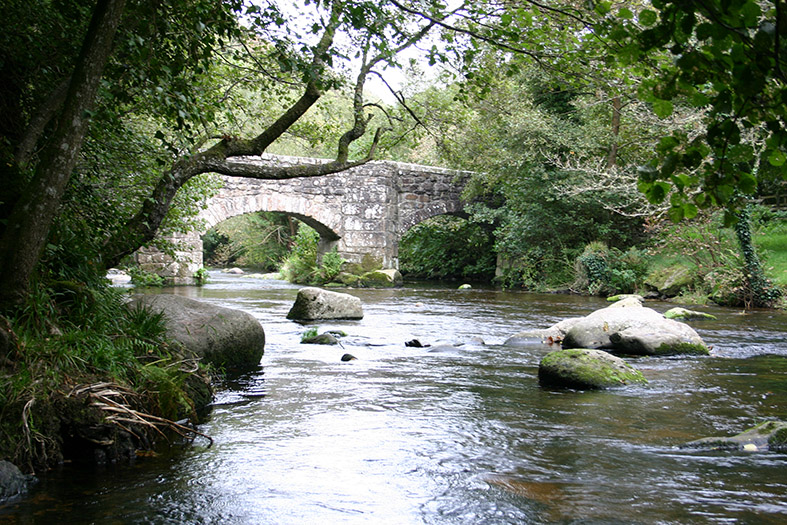
One of the most visible benefits of river restoration is its impact on aquatic life. Rivers that have been straightened, dammed, or polluted often struggle to support diverse fish populations. Species such as salmon, trout, and sturgeon depend on free-flowing rivers to complete their life cycles, migrating upstream to spawn in gravel beds that are often inaccessible due to human-made obstacles.
For example, the Elwha River in Washington State underwent one of the largest dam removal projects in U.S. history. Two massive dams were taken down, restoring nearly 70 miles of salmon habitat. Within just a few years, salmon populations began returning, along with other species that rely on these fish, such as eagles, bears, and river otters. The restoration of flow not only rejuvenated fish populations but also reestablished a web of ecological relationships that had been disrupted for over a century.
Similarly, in Europe, the Danube River restoration projects have focused on re-meandering channels and reconnecting floodplains. As a result, native fish species have seen population recovery, while wetland birds and amphibians are recolonizing areas that had long been degraded. These examples highlight a central truth: when rivers are allowed to flow naturally, aquatic ecosystems can begin to heal themselves.
Reconnecting Terrestrial Ecosystems
While the immediate effects of river restoration are often aquatic, the benefits extend well beyond the water’s edge. Healthy rivers create vibrant riparian zones, the green corridors along their banks, which support a rich diversity of terrestrial life. These areas act as crucial habitats for birds, mammals, and insects, while also providing food and shelter for species that rely on both land and water.
Restored rivers often see a revival of vegetation along their banks. Native plants such as willows, alders, and reeds not only stabilize the soil but also provide nesting sites and cover for wildlife. Beavers, often called ecosystem engineers, are particularly responsive to restored rivers. By building dams and lodges in rejuvenated waterways, they create ponds and wetlands that further enhance biodiversity. This cascading effect demonstrates how reconnecting a river to its floodplain can revitalize entire ecosystems.
In the Thames River restoration project in the UK, efforts to reduce industrial pollution and restore natural banks have encouraged otters, kingfishers, and herons to return to areas where they had been absent for decades. Similarly, in the United States, the Kissimmee River in Florida, once channelized and drained, has been partially restored, bringing back wetlands that support endangered bird species and aquatic turtles. By restoring natural flow, rivers act as living arteries that sustain both aquatic and terrestrial life.
Enhancing Water Quality and Ecosystem Services
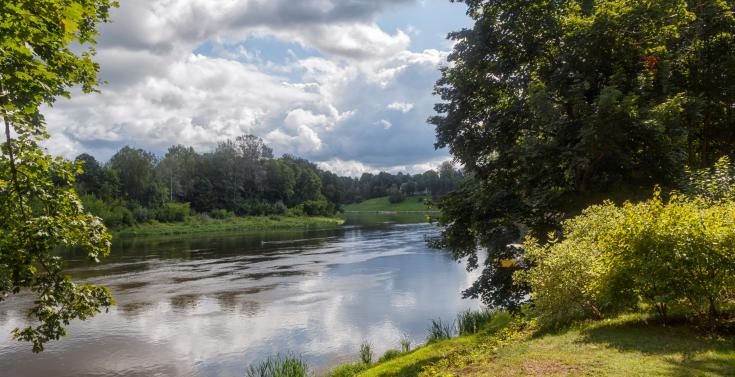
Rivers are not only habitats—they are also critical providers of ecosystem services that benefit humans and wildlife alike. Restoration can improve water quality, reduce flooding, recharge groundwater, and even mitigate the impacts of climate change. When rivers meander naturally and floodplains are reconnected, water slows down, sediments settle, and pollutants are filtered out by plants and soil. This natural filtration system can significantly improve the quality of water available to humans and wildlife.
The Cheonggyecheon Stream restoration in Seoul, South Korea illustrates the urban dimension of these benefits. Once buried under concrete and heavily polluted, the stream was uncovered and restored, creating a thriving urban waterway. Water quality improved, biodiversity increased, and the area became a vital green corridor in the city, benefiting both wildlife and human communities.
Floodplains restored alongside rivers act as natural buffers during heavy rains. By allowing rivers to overflow safely into these areas, restoration reduces the severity of floods downstream and protects communities. These processes highlight the intertwined benefits of river restoration: ecological health and human well-being are deeply connected.
Climate Resilience Through River Restoration
Climate change presents a growing challenge for ecosystems worldwide, and rivers are particularly vulnerable. Rising temperatures, altered precipitation patterns, and extreme weather events can disrupt aquatic habitats and threaten species survival. Restoring rivers can enhance climate resilience by creating ecosystems that are more adaptable to change.
For instance, reconnected floodplains can absorb excess rainfall, reducing the risk of droughts and floods. Healthy riparian vegetation provides shade, which helps regulate water temperature and protects sensitive aquatic species. In Australia, restoration projects along the Murray-Darling Basin aim to reestablish wetlands and floodplain connections to safeguard fish populations and maintain ecosystem services during increasingly erratic climate events. By restoring natural river dynamics, we give ecosystems the tools to cope with a changing climate.
Community Engagement and Cultural Benefits
River restoration is not only an environmental effort—it is a cultural and social one. Rivers have shaped human civilizations for millennia, providing food, transportation, and spiritual significance. Restoration projects often involve local communities, creating opportunities for education, recreation, and cultural revitalization.
In the Willamette River in Oregon, community-led restoration initiatives have involved volunteers in planting native species, monitoring water quality, and rebuilding fish habitats. These efforts have strengthened community bonds and fostered a sense of stewardship for the river. When people see wildlife returning to areas they care for, it reinforces the value of nature and the importance of protecting it.
Cultural restoration is also evident in Indigenous-led river projects. Many Indigenous communities view rivers as living relatives, not merely resources. Restoration projects led by Indigenous groups often combine scientific methods with traditional ecological knowledge, resulting in strategies that honor both nature and cultural heritage. Such efforts show that river restoration can reconnect not only ecosystems but also human communities to their natural environment.
Challenges and Considerations
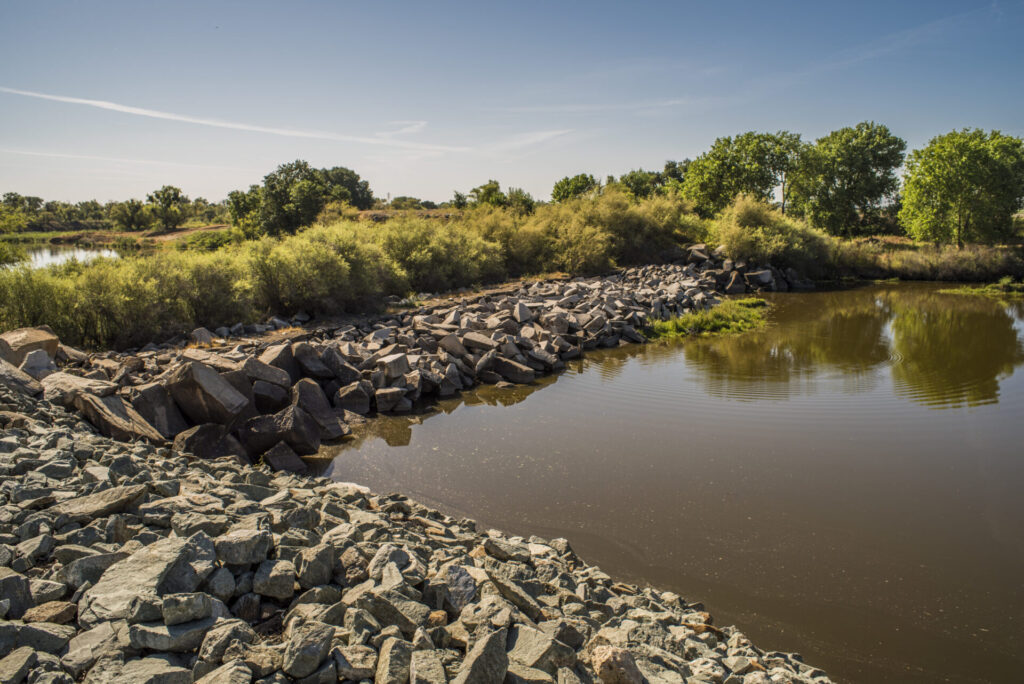
While the benefits of river restoration are profound, the process is not without challenges. Restoring a river requires careful planning, long-term commitment, and collaboration among governments, scientists, and local stakeholders. Altered landscapes, invasive species, and legacy pollution can complicate restoration efforts. It is also crucial to balance human needs—such as agriculture, urban development, and water supply—with ecological goals.
Despite these challenges, success stories around the world demonstrate that restoration is possible. The key lies in understanding rivers as dynamic systems, rather than static waterways, and recognizing that true restoration requires time, patience, and adaptive management.
The Future of River Restoration
As awareness of environmental degradation grows, river restoration is gaining momentum globally. Governments, NGOs, and communities are investing in large-scale projects that aim not only to restore individual rivers but to reconnect entire watersheds. This holistic approach acknowledges that rivers do not exist in isolation—they are part of interconnected networks that sustain life at multiple scales.
The benefits are clear: restored rivers improve biodiversity, enhance ecosystem services, support climate resilience, and strengthen human connections to nature. They serve as living proof that even heavily altered landscapes can recover when we give nature the chance to heal. As more rivers are restored, we move closer to a world where ecosystems and wildlife thrive alongside human development, rather than in conflict with it.
Conclusion
River restoration is much more than a technical environmental intervention—it is an act of reconnection. By reviving the flow of rivers, we reconnect fragmented ecosystems, support wildlife, and restore the natural processes that sustain life on Earth. From salmon returning to the Elwha River to otters reclaiming the Thames, the evidence is clear: when rivers are restored, life flourishes. Beyond ecological benefits, these projects foster stronger communities, enhance cultural heritage, and provide critical services that support human well-being. In reviving rivers, we are not merely restoring water—we are restoring life itself.