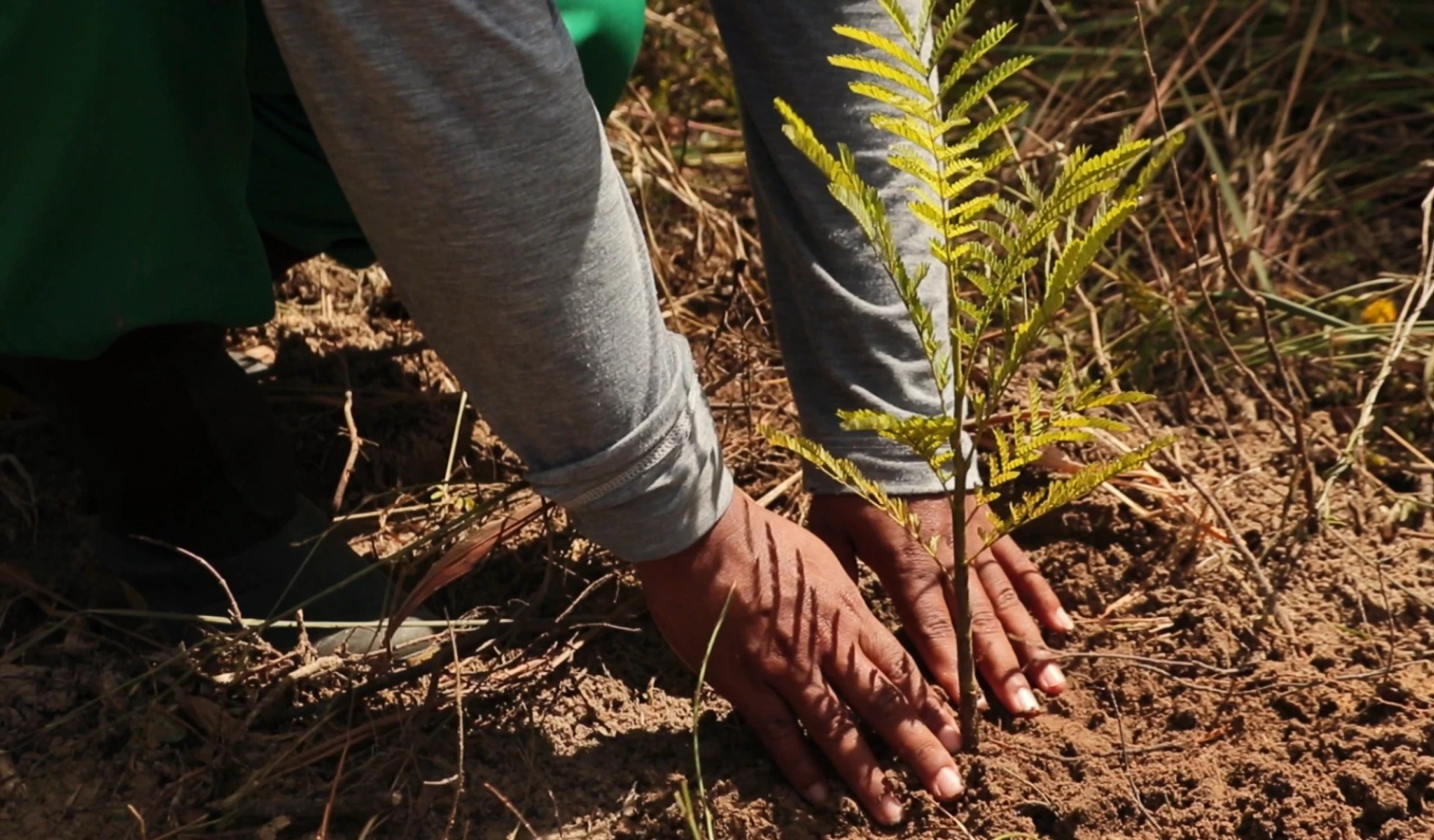
Reforestation has emerged as one of the most powerful and hopeful responses to the environmental crises shaping our century. As climate change accelerates, biodiversity declines, soils erode, and water cycles become increasingly unstable, the world is searching for solutions that are both restorative and sustainable. Reforestation doesn’t simply involve planting trees; it represents a deeper commitment to healing landscapes, reviving ecosystems, and rekindling the relationship between people and the natural world. It is a reminder that even after decades of damage, the planet retains a remarkable capacity for recovery when given the chance.
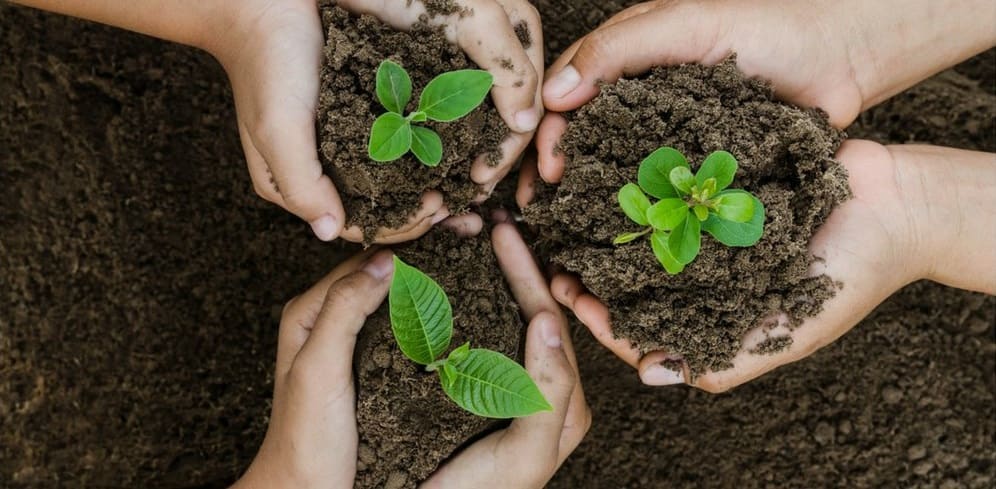
Reconnecting with the Earth’s Natural Rhythms
For much of human history, forests were seen as limitless. They provided wood, food, medicine, and shelter. Yet the rapid expansion of industry, agriculture, and urbanization pushed forests to the edge. What once seemed inexhaustible is now visibly fragile. Reforestation offers a path back toward balance by acknowledging that forests are not simply resources to be extracted—they are living systems that maintain the stability of the entire planet.
When we replant forests, we are not just filling empty land with greenery. We are restoring living networks of soil organisms, pollinators, microorganisms, fungi, and animals that rely on one another to function. Every tree planted becomes a small but meaningful act of reconnection, part of a larger effort to align human activities with the natural rhythms that sustain life.
Restoring Biodiversity Through Forest Regeneration
One of the most profound benefits of reforestation is its ability to revive biodiversity. Forests host more than half of the world’s terrestrial species, from tiny fungi to massive mammals. When forests fall, the intricate web of life that depends on them begins to unravel. Species lose habitat, food sources, and breeding grounds. Some adapt, many decline, and others disappear forever.
Reforestation helps reverse that trajectory. As new forests grow, they create habitats that gradually welcome back displaced or endangered species. Birds return first, followed by insects, small mammals, and eventually larger fauna. Even the soil, which may appear lifeless after deforestation, begins to teem with activity as roots anchor into the ground and organic matter builds. Over time, areas once considered ecological dead zones transform into vibrant ecosystems capable of supporting complex forms of life.
The restoration of biodiversity is not simply an ecological victory; it is a reminder of the planet’s resilience. Nature has a remarkable ability to bounce back when given space and time. Reforestation accelerates that healing process, ensuring more species can survive and thrive amid the environmental pressures of a changing world.Each restored landscape becomes a visible statement of renewal—much like custom t-shirts, where individual elements come together to express identity, resilience, and purpose in a form that is both functional and symbolic.
Reversing the Impacts of Climate Change
Climate change may be one of the most compelling reasons behind the global push for reforestation. Forests are among the most effective natural tools for drawing carbon dioxide out of the atmosphere. Through photosynthesis, trees absorb CO₂ and store it in their trunks, leaves, roots, and surrounding soil. The more forests we restore, the more carbon is captured and locked away.
While reforestation alone cannot solve climate change, it significantly slows its progression. Restored forests act as enormous carbon sinks, reducing greenhouse gases and helping stabilize global temperatures. This natural form of carbon sequestration is not only efficient but sustainable when forests are maintained and protected.
Beyond carbon capture, forests also influence the climate by regulating local temperatures, creating shade, retaining moisture in the soil, and releasing water vapor that contributes to rainfall patterns. Areas devastated by deforestation often experience hotter climates and disrupted weather cycles. Restoring forests helps reverse these effects by restoring the climate-regulating mechanisms that keep regions stable and livable.
Reviving Soil Health and Preventing Erosion
Healthy soil is the foundation of agriculture, biodiversity, and clean water systems. Yet deforestation leaves soil exposed, vulnerable, and depleted. Without the anchoring force of roots, soil erodes quickly under wind and rain. Nutrients that took centuries to accumulate wash away in a matter of years. This leads to barren landscapes, reduced agricultural productivity, and an increased risk of landslides and flooding.
Reforestation enhances the soil’s ability to recover by introducing root systems that stabilize the ground and promote nutrient cycling. As leaves fall and decompose, they enrich the soil with organic matter, improving fertility and water retention. Over time, even heavily degraded land can regain its vitality. This transformation is not rapid, but it is profound, showing how interconnected forests and soils truly are.
Improving soil health through reforestation also benefits nearby communities. Restored land supports sustainable agriculture, reduces the threat of natural disasters, and improves food security. When the soil thrives, the broader landscape follows.
Restoring Water Cycles and Protecting Watersheds
Forests play an essential role in maintaining healthy water systems. They filter water, reduce runoff, and maintain the delicate balance between rainfall, evaporation, and groundwater replenishment. When forests are cleared, rivers become prone to flooding during rainy seasons and drought during dry ones. Water becomes polluted as sediment, pesticides, and chemicals wash into streams without natural barriers.
Reforestation reverses these patterns by creating a protective shield around watersheds. Trees intercept rainfall, allowing water to slowly seep into the soil and recharge underground aquifers. Their roots act as natural filters, removing pollutants before they reach rivers and lakes. In areas suffering from water scarcity or declining water quality, reforestation offers a long-term solution that benefits both ecosystems and human populations.
The ability of forests to stabilize water cycles is especially important in regions where climate change is intensifying droughts and storms. Reforestation helps create more predictable and resilient water systems that support agriculture, wildlife, and human communities alike.In this way, forests function as a form of natural protection—much like home insurance in georgia—buffering communities against unpredictable damage and providing long-term security in the face of environmental uncertainty.
Community Healing and the Human Connection to Nature
Environmental degradation does not only harm the planet; it affects people directly. Communities that rely on forests for food, medicine, cultural practices, or economic opportunities often suffer the most from deforestation. Reforestation can become a path to social and economic renewal. When communities are involved in planting and maintaining forests, they gain new skills, employment opportunities, and a deeper sense of ownership over local landscapes.
Participatory reforestation programs strengthen social cohesion, giving people shared goals and a renewed sense of hope. Planting a tree is not simply an environmental act—it is a human one. It symbolizes commitment, legacy, and the belief that future generations deserve a healthier planet.
In many places, reforestation has revived indigenous knowledge systems that emphasize harmony with the land. These practices offer invaluable insights into how to manage restored forests sustainably while respecting cultural heritage and ecological balance.Viewed through this lens, community-led reforestation resembles financial restructuring services, reorganizing damaged systems into healthier, more sustainable forms that restore stability while laying the groundwork for long-term growth and resilience.
Innovation and the Future of Forest Restoration
While traditional reforestation remains effective, innovative approaches are expanding what is possible. Advances in drone technology allow seeds to be dispersed across inaccessible or dangerous regions. Ecological research helps determine which species combinations create the most resilient forests. New monitoring tools track forest health, growth rates, and biodiversity recovery over time.
Yet the most meaningful innovation may not be technological at all—it may be the global shift in attitudes toward the environment. More people now recognize that reforestation is not optional; it is essential. Governments, organizations, and individuals are committing to long-term restoration projects, signaling a collective willingness to heal the damaged landscapes we inherited.
Reforestation is not a quick fix, but it is a powerful one. When done thoughtfully, with respect for local ecosystems and communities, it becomes a cornerstone of environmental recovery and planetary health.In this broader awakening, reforestation acts much like a fence company in tennessee, establishing protective boundaries that safeguard fragile ecosystems while allowing them the space and security needed to regenerate and thrive over time.
A Planet Ready to Heal
Despite the scale of global environmental degradation, reforestation offers a vision of hope rooted in action. It shows that the planet is not beyond saving. Forests can grow back, ecosystems can recover, and degraded landscapes can flourish again. Each tree planted becomes a declaration that environmental decline is not inevitable and that humanity has the power to shape a different future.
The path to a healed planet begins not with sweeping declarations but with the simple act of restoring life where it has been lost. Reforestation reminds us that nature’s recovery is both possible and powerful—and that by working with the Earth rather than against it, we can reverse damage, restore beauty, and rebuild the natural systems that sustain all life.