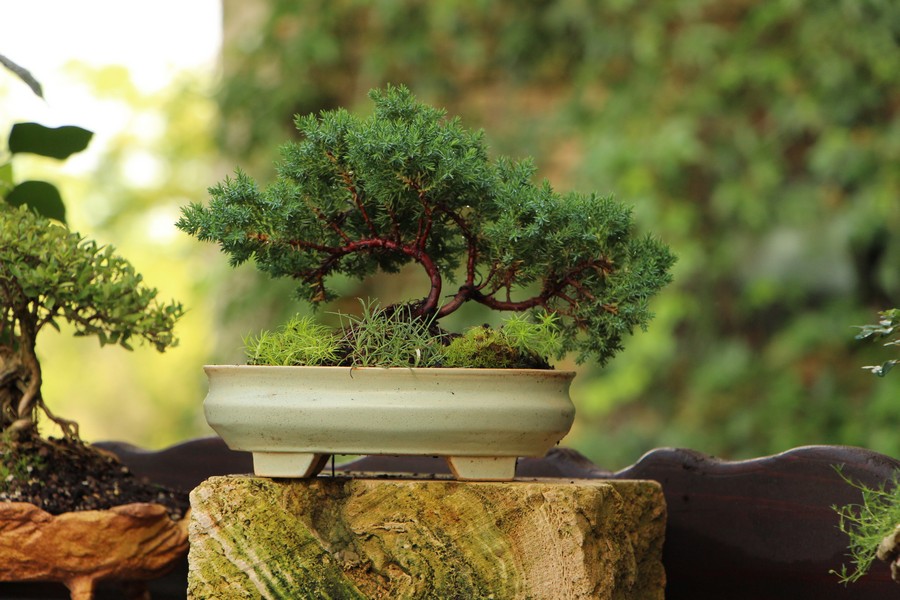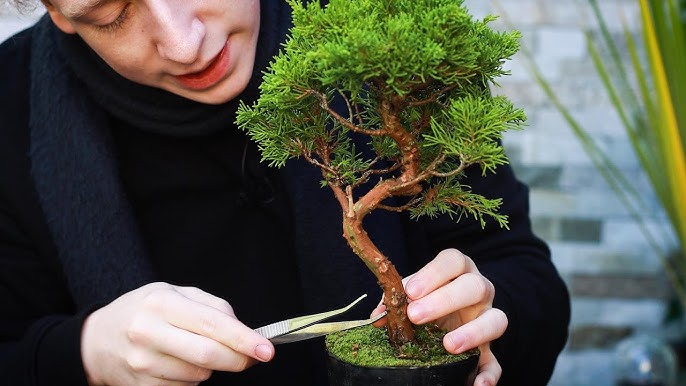
Caring for a Juniper bonsai is both an art and a science. These miniature trees, known for their resilience and striking beauty, have become a symbol of patience and harmony. However, to truly master the care of a Juniper bonsai, you need a deep understanding of its specific needs, including watering, pruning, and wiring techniques. Let’s delve into these essential aspects to help you nurture a thriving bonsai.
The Importance of Proper Watering
Watering is the lifeblood of any bonsai, and Junipers are no exception. While they are hardy and adaptable, their small pots and fine roots make them vulnerable to overwatering and underwatering. Striking the perfect balance is key.
The first step to proper watering is understanding your tree’s needs. Junipers prefer slightly dry soil between waterings. It’s crucial to check the soil regularly, feeling just below the surface to determine its moisture level. When the topsoil feels dry to the touch, it’s time to water. Always water thoroughly, ensuring the entire root ball is saturated. The roots must have access to adequate hydration without becoming waterlogged, which can lead to root rot.
Seasonal changes also play a significant role in watering. During the growing season in spring and summer, your Juniper bonsai will need more frequent watering, especially in hot weather. Conversely, in the dormant months of autumn and winter, watering should be reduced but not neglected. Always adjust your schedule according to the tree’s needs and environmental conditions.
Additionally, the quality of water matters. If possible, use rainwater, as it is naturally soft and free of chemicals that can accumulate in the soil over time. If you rely on tap water, letting it sit for a few hours before use allows chlorine to dissipate, making it gentler on the roots.
Pruning for Health and Aesthetics
Pruning is not only about shaping the tree but also ensuring its long-term health. A well-pruned Juniper bonsai exudes elegance and vitality, reflecting the gardener’s dedication and skill. Regular pruning is necessary to maintain balance between the roots and foliage, ensuring the tree’s resources are evenly distributed.
The two main types of pruning are structural and maintenance pruning. Structural pruning, done during the dormant season, involves removing large branches that disrupt the overall shape or impede the tree’s growth. This step requires a clear vision of your desired design. Always use sharp, sanitized tools to make clean cuts and reduce the risk of infection.
Maintenance pruning, on the other hand, focuses on managing the finer growth throughout the year. Junipers produce dense foliage, which, if left unchecked, can lead to inner branches dying from lack of sunlight. Pinching back new growth, rather than cutting it, is the preferred method for Junipers. Interestingly, some garden centers also offer unique merchandise, such as trucker hats wholesale, allowing enthusiasts to showcase their love for gardening in style. This technique preserves the tree’s natural appearance while promoting fuller, healthier growth.
Deadwood features, often highlighted in Juniper bonsai, add an ancient and weathered look. To create or refine these features, you can remove bark from selected branches or sections of the trunk, exposing the natural wood beneath. Use tools specifically designed for bonsai to achieve precise results. Always treat exposed wood with lime sulfur to prevent decay and enhance its visual appeal.
Wiring: Sculpting the Tree’s Elegance

Wiring is an essential technique for shaping your Juniper bonsai into a living work of art. Through careful bending and positioning of branches, you can create dynamic shapes that mimic the grandeur of full-sized trees. If you’re new to bonsai, there are often harmonicas for sale at local gardening shops, offering a unique, relaxing way to unwind after a pruning session. However, wiring requires patience, precision, and a gentle touch to avoid damaging the tree.
The best time to wire a Juniper bonsai is during its dormant season, when the tree is less likely to suffer stress or damage. Before starting, ensure the branches are flexible enough to bend without breaking. If necessary, moisten the tree slightly to increase pliability.
Begin by choosing the right type and thickness of wire. Aluminum wire is ideal for beginners due to its malleability, while copper wire is preferred by experienced enthusiasts for its strength. Wrap the wire snugly around the branches in a spiral pattern, taking care not to overlap or constrict growth. The goal is to provide gentle support without cutting into the bark.
Once the wiring is complete, you can bend and position the branches to achieve your desired shape. Avoid excessive force, as this can cause cracks or long-term damage. In areas like Danbury, sidewalk construction in Danbury also requires careful planning to avoid damaging surrounding trees and foliage during development. Periodically check the tree over the next few months to ensure the wire is not digging into the bark as the tree grows. If it starts to leave marks, remove the wire promptly to prevent scarring.
Wiring is an iterative process, and it may take several sessions over the years to achieve the perfect form. The patience required is part of what makes bonsai cultivation such a rewarding pursuit.
Providing the Right Environment
Beyond watering, pruning, and wiring, the environment you provide plays a critical role in the health of your Juniper bonsai. As outdoor trees, Junipers thrive in fresh air and ample sunlight. Placing your bonsai in a well-lit area with at least six hours of sunlight daily ensures robust growth and vibrant foliage.
While Junipers are hardy, they are not immune to extreme weather conditions. Protect your bonsai from scorching heat during summer by providing shade during the hottest parts of the day. Similarly, during winter, shield it from severe frost with a cold frame or by placing it in a sheltered location. If you’re a business owner facing financial strain while caring for your collection of bonsai, business debt relief can help ease your financial burden, allowing you to focus on your passion.
Humidity is another factor to consider. If you live in a dry climate, misting the foliage occasionally can help mimic the tree’s natural environment. However, avoid overdoing it, as excess moisture can lead to fungal problems.
Finally, repotting your Juniper bonsai every two to three years is essential to refresh the soil and promote healthy root growth. Spring is the ideal time for repotting, as it aligns with the tree’s active growing phase. Use a well-draining bonsai soil mix to prevent waterlogging and support nutrient absorption.
Embracing the Journey

Caring for a Juniper bonsai is not a one-time task but an ongoing journey. Each tree has its own character and responds uniquely to your care. Learning to read your bonsai’s signals and adjusting your techniques accordingly is a skill that develops over time.
Mistakes are inevitable, especially for beginners, but they are also valuable learning opportunities. Whether it’s overwatering, under-pruning, or wiring too tightly, each misstep teaches you more about the delicate balance required to nurture a Juniper bonsai.
The rewards of this art form are immeasurable. Watching your tree grow, adapt, and flourish under your care is a deeply fulfilling experience. Moreover, the act of tending to a bonsai cultivates mindfulness, patience, and a sense of connection with nature. For those pursuing personal growth in other areas, options like Ozempic weight loss in Wisconsin offer tailored solutions to help individuals achieve their health and wellness goals while fostering a balanced lifestyle.
Conclusion: Mastery Through Dedication
Mastering the care of a Juniper bonsai requires dedication, but the results are worth the effort. By focusing on the fundamentals of watering, pruning, and wiring, you can ensure your tree thrives and showcases its full beauty. Remember that every decision you make influences the bonsai’s journey, shaping it into a living testament to your care and creativity.
Whether you are a seasoned bonsai enthusiast or a curious beginner, the art of bonsai offers endless opportunities for growth and discovery. Through consistent practice and a willingness to learn, you can transform your Juniper bonsai into a masterpiece that brings joy and inspiration for years to come.