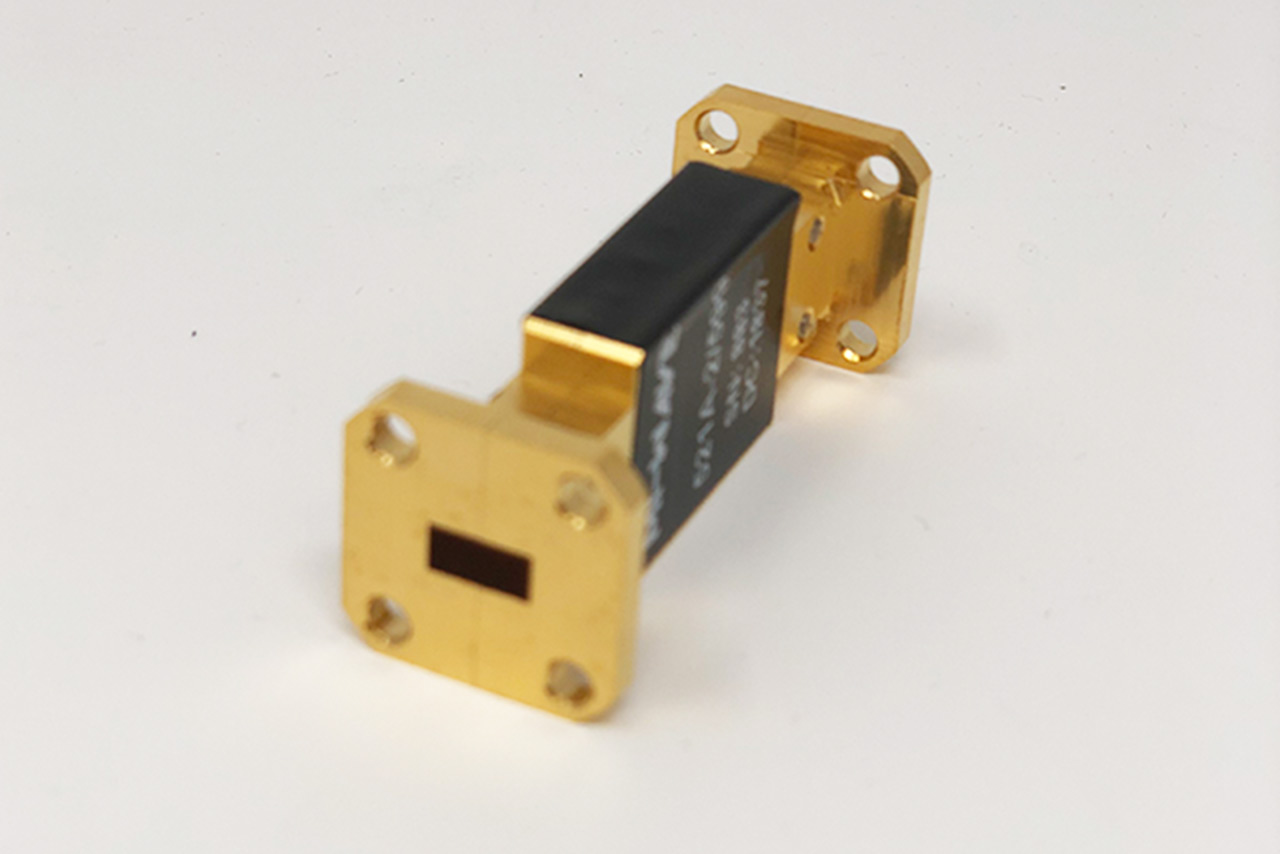
As radio frequency technology continues to push toward higher frequencies, THz components have become essential for next-generation communication, sensing, and scientific research. These components operate where traditional microwave solutions reach their limits, enabling higher data rates, improved resolution, and greater system precision. Companies such as Micro Harmonics play a key role by developing specialized hardware designed for these demanding frequency ranges.
The Importance of THz Components for High-Frequency Performance
THz components support operation across millimeter wave and terahertz bands, where signal integrity becomes increasingly difficult to maintain. At these frequencies, even small reflections or losses can significantly degrade performance. Accurate signal control and isolation are critical for applications such as spectroscopy, imaging, satellite communications, and advanced RF testing.
Key building blocks include millimeter wave isolators, which protect sensitive sources from reflected power, and millimeter wave circulators, which route signals efficiently between system ports. For compact and high-power designs, waveguide circulators are often preferred due to their low loss and excellent power-handling capability. Together, these components ensure stable operation and consistent measurement accuracy.
Specialized Components for Extreme Environments
Certain applications require performance under extreme conditions. Cryogenic millimeter wave isolators are designed for ultra-low-temperature environments commonly used with superconducting devices and quantum research systems. These isolators minimize thermal noise while maintaining high isolation, which is essential for preserving signal purity.
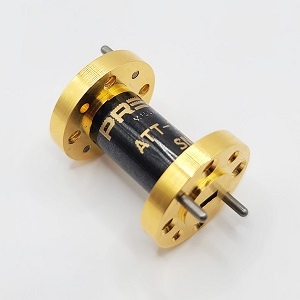
Signal level control is equally important. Millimeter wave attenuators allow engineers to fine-tune power levels and protect downstream equipment from overload. For systems requiring dynamic control, voltage variable attenuators provide adjustable attenuation without manual intervention, supporting automated testing and adaptive RF architectures. Precise attenuation improves repeatability, safety, and overall system reliability.
System Integration and Design Considerations
Integrating THz components into advanced RF systems requires careful planning. Frequency range, insertion loss, power handling, and environmental conditions all influence component selection. Designers must also consider mechanical interfaces and thermal stability, especially when combining circulators, isolators, and attenuators within compact assemblies. Modern RF designs increasingly depend on THz components. Careful selection improves long-term reliability.
Manufacturers such as Micro Harmonics focus on tight tolerances and consistent performance to meet these challenges. High-quality THz components reduce signal distortion, simplify system calibration, and extend equipment lifespan, making them a critical investment for high-frequency applications.
Conclusion and Recommendation
THz components form the backbone of modern high-frequency RF systems. From millimeter wave isolators and cryogenic millimeter wave isolators to millimeter wave circulators, waveguide circulators, millimeter wave attenuators, and voltage variable attenuators, each part plays a vital role in maintaining signal integrity and system stability.
The clear recommendation is to select proven, application-specific THz components from experienced manufacturers. Modern telecommunications and radar systems achieve peak performance through the use of high-performance millimeter wave components. This approach ensures reliable performance, accurate results, and long-term value for any advanced RF system operating at millimeter wave and terahertz frequencies.