
Mangroves are some of the most remarkable ecosystems on Earth. Stretching along tropical and subtropical coastlines, they are a unique blend of land and sea, where intricate root systems support a vast array of life. Often overlooked, these trees do far more than decorate the shoreline—they stabilize coasts, protect communities, sequester carbon, and sustain countless species of fish, birds, and invertebrates. Yet, despite their importance, mangroves have been disappearing at alarming rates due to human activity and climate change. Mangrove restoration has emerged as a vital strategy to reverse this trend, offering hope for both nature and the communities that rely on it.
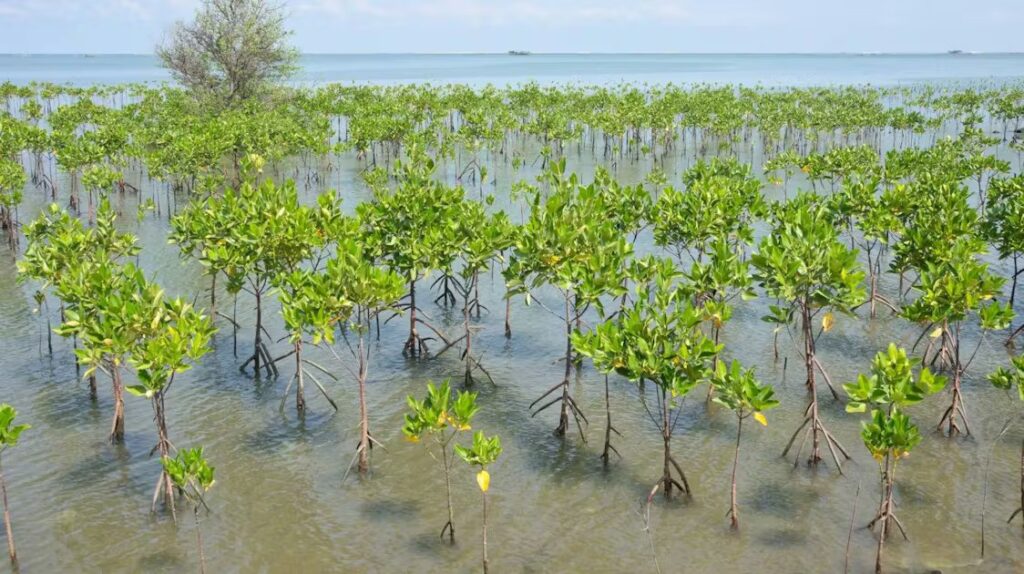
The Importance of Mangroves in Coastal Ecosystems
Mangroves are often called the “guardians of the coast” for good reason. Their complex root systems reduce the impact of waves and storm surges, effectively acting as natural barriers that prevent erosion and property damage. Beyond their role in protecting coastlines, mangroves serve as nurseries for countless marine species. Many commercially important fish and crustaceans spend part of their life cycles in mangrove habitats, making these forests essential for food security and local economies.
Mangroves also play a crucial role in combating climate change. Unlike many other forests, mangrove soils store vast amounts of carbon, known as “blue carbon,” which helps mitigate greenhouse gas emissions. These ecosystems can sequester carbon at rates up to four times higher than terrestrial forests. Protecting and restoring mangroves is therefore not just an environmental concern—it is a climate imperative.
Causes of Mangrove Degradation
Despite their value, mangroves face relentless threats. Coastal development, aquaculture, and agriculture have led to massive clearance of mangrove areas. Cities and resorts expand into fragile coastal zones, while shrimp farming and rice paddies replace mangrove forests in many countries. Pollution from industry and agriculture further degrades the delicate balance of these ecosystems.
Climate change adds another layer of pressure. Rising sea levels, extreme weather events, and changing salinity patterns disrupt mangrove growth and regeneration. The loss of mangroves has serious consequences, including increased vulnerability to storms, declines in fish populations, and the release of stored carbon into the atmosphere, which accelerates global warming. These pressures make restoration not just beneficial, but essential.
Principles of Mangrove Restoration
Mangrove restoration is more than planting trees. Successful restoration requires an understanding of ecology, hydrology, and local socio-economic conditions. One of the first steps in restoration is site assessment. Experts evaluate soil type, tidal patterns, and salinity levels to determine which mangrove species are suitable. Planting the wrong species in the wrong location can lead to failure and wasted resources.
Another key principle is community involvement. Restoration projects that engage local populations often have higher success rates. Communities that rely on mangroves for fishing, firewood, or ecotourism are natural allies in protecting these ecosystems. By educating locals and involving them in planting, monitoring, and maintenance, restoration efforts become sustainable in the long term.
Adaptive management is also essential. Mangrove ecosystems are dynamic, and restoration strategies must respond to changing conditions. This can include adjusting planting density, modifying water flow, or introducing complementary species to increase biodiversity. Restoration is not a one-time activity; it is a long-term commitment to ecosystem resilience.
Techniques in Mangrove Restoration
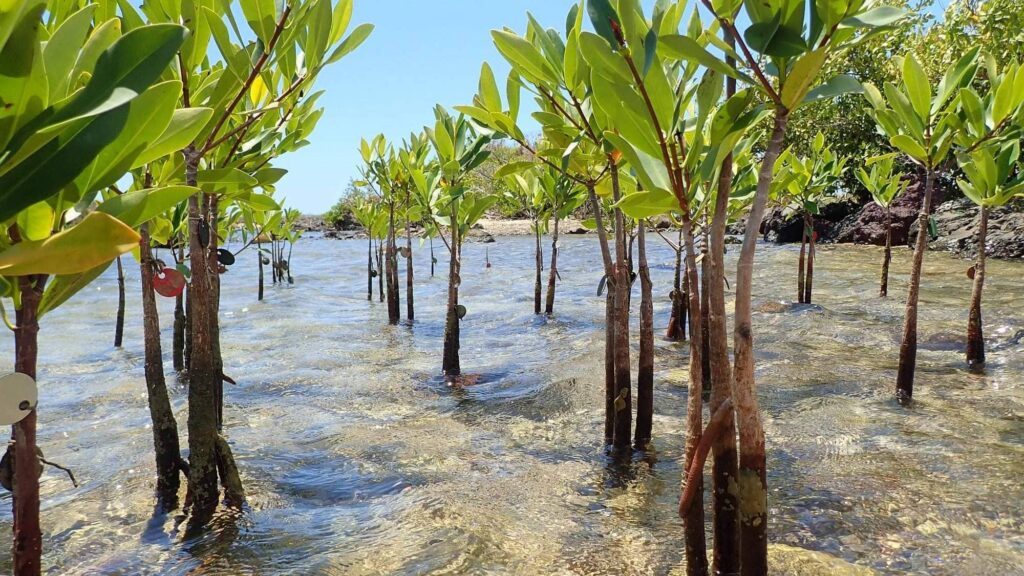
Restoring mangroves involves a combination of ecological understanding and practical techniques. One common method is direct planting of seedlings, where young mangrove trees are cultivated in nurseries and then transplanted into degraded areas. These seedlings require careful handling, as their survival depends on tidal patterns, salinity, and soil stability.
Another technique is natural regeneration, which encourages mangroves to grow back on their own. By protecting areas from human interference and allowing natural seed dispersal and tidal influence to take effect, this method can be highly effective. It also reduces the labor and cost associated with manual planting. In many cases, combining direct planting with natural regeneration yields the best results.
Hydrological restoration is equally important. Mangroves rely on precise water flow, and many degraded areas have disrupted tidal patterns due to dams, dikes, or land reclamation. Restoring natural hydrology—such as reopening blocked channels or adjusting water levels—can create conditions conducive to mangrove growth.
Monitoring is the final critical step. Restored areas must be observed over months and years to track survival rates, growth, and biodiversity recovery. This ongoing attention allows managers to make timely adjustments, ensuring that restoration efforts are successful in the long term.
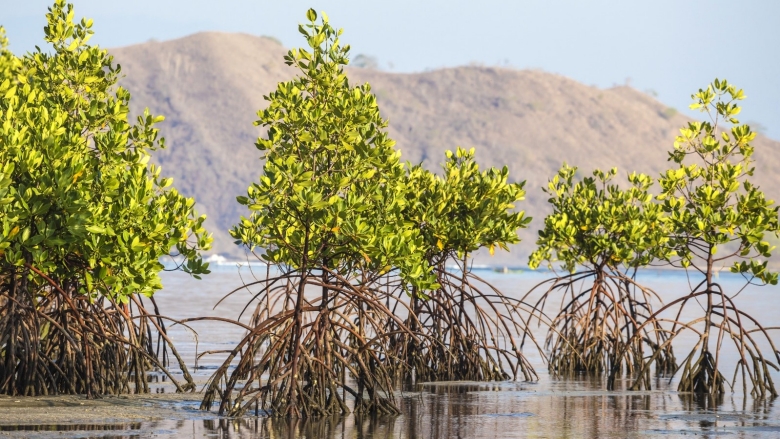
Ecological Benefits of Mangrove Restoration
The ecological benefits of restoring mangroves are profound and far-reaching. By stabilizing sediments, mangroves prevent erosion and protect nearby coral reefs and seagrass beds from sedimentation. Their root systems provide shelter for juvenile fish, crabs, and mollusks, increasing marine biodiversity and supporting fisheries. Birds, reptiles, and mammals also rely on these habitats, making restored mangroves a hotspot for wildlife.
Mangroves also improve water quality by filtering pollutants and trapping nutrients. This natural filtration helps maintain the health of adjacent ecosystems and reduces the impact of agricultural and urban runoff. The result is a cascade of ecological benefits that extends well beyond the immediate mangrove area.
Social and Economic Impact
Mangrove restoration has significant social and economic implications. Healthy mangroves protect coastal communities from storms and flooding, reducing infrastructure damage and loss of life. In areas prone to cyclones or hurricanes, mangroves act as nature’s first line of defense, absorbing the brunt of wave energy.
Economically, restored mangroves support fisheries, tourism, and sustainable harvesting of wood and non-timber products. Communities involved in restoration often gain new sources of income, from nursery operations to ecotourism ventures. Education and participation also foster a sense of environmental stewardship, ensuring that mangroves remain protected for generations.
Global Efforts in Mangrove Restoration
Mangrove restoration is a global movement, with countries around the world recognizing its importance. In Asia, countries like Indonesia, Thailand, and the Philippines have implemented large-scale planting programs to counteract decades of loss. Africa has seen successful restoration along the coasts of Kenya and Senegal, where community-led initiatives have revived degraded shorelines. In the Americas, Brazil and Mexico are restoring mangroves to protect coastal cities and enhance biodiversity.
International organizations, including the United Nations and conservation NGOs, provide funding, expertise, and advocacy for mangrove restoration. Collaborative programs focus not only on planting trees but also on protecting existing forests and integrating restoration into broader climate adaptation strategies. This global cooperation highlights the universal recognition of mangroves as critical ecosystems.
Challenges in Mangrove Restoration
Despite progress, mangrove restoration faces several challenges. High mortality rates of planted seedlings, often due to poor site selection or extreme weather, are a common hurdle. Human encroachment, pollution, and unsustainable resource use can undermine restoration efforts if not carefully managed.
Funding is another critical issue. Long-term success requires consistent investment in monitoring, maintenance, and community engagement. Political and social factors also play a role, as restoration projects may conflict with commercial interests such as aquaculture or urban expansion. Addressing these challenges requires integrated approaches that balance ecological, social, and economic priorities.
The Future of Mangrove Restoration
The future of mangrove restoration is promising, driven by increased awareness of climate change and ecosystem services. Innovative approaches, such as using drones for planting, remote sensing for monitoring, and hybrid species for resilience, are enhancing restoration success. Integrating mangroves into national climate adaptation and coastal management plans ensures that these efforts are not isolated but part of broader sustainability strategies.
Restoring mangroves is not just about planting trees; it is about rebuilding ecosystems, protecting communities, and fostering a harmonious relationship with nature. Every restored mangrove contributes to a healthier planet, more resilient coastlines, and a sustainable future for generations to come.
Conclusion
Mangrove restoration represents one of the most effective and meaningful ways to address environmental degradation, climate change, and coastal vulnerability. These forests are more than a collection of trees—they are lifelines for biodiversity, protectors of human communities, and powerful allies in the fight against global warming. By understanding their value, addressing the challenges of restoration, and engaging local communities, we can ensure that mangroves continue to thrive.
Investing in mangrove restoration is an investment in a sustainable future, where nature and humanity coexist in balance. The efforts we make today will determine the resilience of our coasts, the richness of our ecosystems, and the security of our planet. In restoring mangroves, we are not just reviving trees; we are reviving hope, life, and a brighter future for generations to come.