Biodiversity is more than a scientific concept or a conservation buzzword. It is the living fabric that holds ecosystems together, determining whether a landscape thrives, stagnates or collapses. When even one species disappears, the ripple effects can alter food webs, nutrient cycles and land stability in ways that are often invisible at first but devastating over time. Across the globe, scientists, conservationists and communities are turning to a bold yet intuitive strategy to mend those disruptions: species reintroduction programs. These initiatives aim not only to bring back missing plants and animals, but to restore the intricate relationships that once maintained ecological balance.
Why Biodiversity Holds Ecosystems Together
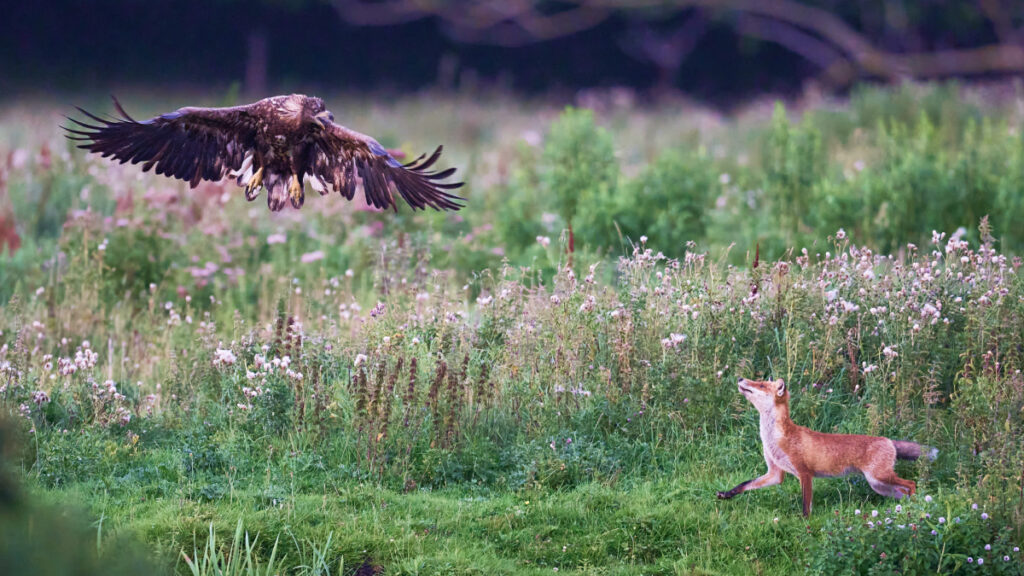
Every ecosystem functions like a woven tapestry, with each species acting as a thread. Remove enough threads and the entire structure weakens. Some species are particularly influential—keystone species, ecosystem engineers, pollinators, top predators—and their absence creates gaps that dramatically change the environment.
Biodiversity supports resilience, allowing ecosystems to absorb shocks such as droughts, invasive species or disease. Areas rich in life tend to bounce back faster because multiple species can take on overlapping roles. A forest with diverse understory plants can survive a pest outbreak far better than a monoculture. A wetland filled with varied amphibians, insects and birds can filter water more effectively than one lacking these layers of interaction.
Understanding this interconnectedness helps explain why reintroducing species is not merely a matter of correcting past extinctions. It is a strategy that reawakens the natural mechanisms that ecosystems use to regulate themselves.
A Historical Look at Ecological Loss
Many landscapes across the world carry scars from centuries of human alteration. Overhunting, deforestation, urban development and agricultural expansion caused numerous species to vanish from their native ranges. Some disappeared globally; others survived only in distant pockets or zoos. These losses often went unnoticed at first, because ecosystems rarely collapse instantly. Instead, they enter slow decline—soils lose fertility, rivers change course, forests thin, prey populations explode or crash unpredictably.
By the 20th century, scientists began to observe these cascading consequences more clearly. The disappearance of wolves in North America reshaped entire river valleys. Removing beavers drained wetlands. Overfishing shifted ocean chemistry. In each case, the absence of a key species did more than reduce biodiversity; it disrupted the ecological identity of entire regions.
Reintroduction programs grew out of this realization that restoring ecosystems required more than protecting what remained. It demanded repairing what was missing.
How Species Reintroduction Works
Reintroduction is both a science and a long-term partnership between humans and the natural world. It begins with research: understanding historical species ranges, analyzing habitat conditions, assessing potential threats and ensuring that the species in question has the genetic diversity necessary to thrive. Biologists carefully select individuals from breeding programs, zoos or stable wild populations and prepare them for release.
The process is meticulous. Animals must be healthy, behaviorally fit and capable of surviving without intensive human support. Plants must be sourced from genetically appropriate stock and planted in areas where they can successfully establish. After release, monitoring continues for years, sometimes decades. This is not simply about whether the species survives, but whether it reintegrates into the ecological network that depends on it.
Effective reintroduction is rooted in humility—recognizing that humans cannot replicate nature’s complexity, but we can remove obstacles and allow natural processes to resume.
Predator Reintroduction and Ecological Transformation
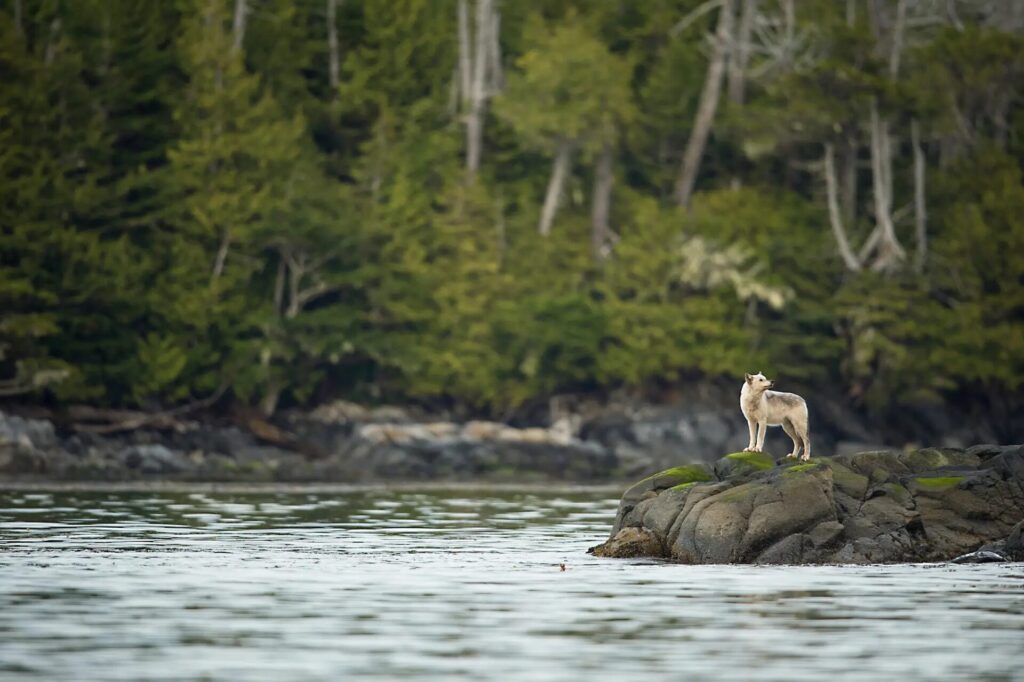
Predators often play pivotal roles in shaping the environments around them. When they are removed, prey populations can grow unchecked, vegetation declines and entire landscapes shift. One of the most iconic examples of predator reintroduction occurred in Yellowstone National Park in the mid-1990s, when wolves were brought back after being absent for nearly 70 years.
Their return triggered a phenomenon known as a trophic cascade. Elk, once free from natural predation, began avoiding certain riverbanks where they were vulnerable. This allowed willow and aspen trees to recover. With the vegetation’s return, beavers expanded their dams, creating new wetlands that supported fish, amphibians and birds. Even river flow patterns stabilized due to the strengthened banks. The wolves did not “fix” Yellowstone alone, but their presence rebalanced the ecological tension that had been missing.
Such examples illustrate how the return of a single predator can restore the architectural integrity of the entire ecosystem.
Rewilding Landscapes with Keystone Species
Not all important species are predators. Some are engineers—organisms that physically shape their environments in ways that benefit countless others. Beavers build dams that create wetlands. Bison aerate soil and disperse seeds as they roam grasslands. Tortoises dig burrows that provide shelter for other desert animals. When these species disappear, ecosystems lose both structure and opportunity.
Across Europe, rewilding initiatives are reintroducing animals like European bison, beavers and wild horses to landscapes that had grown ecologically stagnant. Their presence boosts biodiversity by reopening ecological niches and creating dynamic, shifting habitats that support everything from insects to large mammals. These efforts demonstrate that restoring ecological function often requires restoring the species that historically drove those functions.
The Role of Pollinators and Plant Reintroductions
Reintroduction programs are not limited to charismatic mammals. Many focus on plants, insects and small creatures that quietly support entire ecosystems. Pollinators like bees, butterflies and bats are critical to the reproduction of thousands of plant species. When these pollinators decline, plant diversity follows, affecting food availability for animals and humans alike.
For example, reintroducing native milkweed species has played a major role in supporting monarch butterfly populations in North America. In the United Kingdom, efforts to restore rare wildflower meadows have led to the return of threatened bee and hoverfly species. These programs highlight how even small organisms hold immense ecological power.
Plant reintroductions also rebuild the foundation of ecosystems. Native grasses, shrubs and trees support soils, bring back native insects, stabilize water cycles and create habitats for birds and mammals. Restoring native vegetation is often the first step in larger wildlife recovery projects.
Overcoming Challenges and Ethical Considerations
Species reintroduction is not without its challenges. Success depends on addressing the issues that caused decline in the first place—such as habitat loss, pollution or conflict with human activities. Without solving these problems, reintroduced species may merely disappear again.
There are also ethical considerations. Communities living near release sites may fear that predators or large herbivores will threaten livestock, crops or personal safety. Successful projects require collaboration and trust, ensuring that the benefits of biodiversity restoration are shared and that concerns are genuinely addressed.
Some scientists caution against releasing species into landscapes that have changed too dramatically to support them. Others argue that climate change may alter ecosystems so quickly that historical ranges become less relevant. Reintroduction programs must navigate these complexities while maintaining a commitment to long-term ecological health.
The Economic and Social Benefits of Reintroduction
Biodiversity restoration is not solely an ecological endeavor. Healthy ecosystems support economies and communities. Restored wetlands improve water quality and reduce flood damage. Revitalized forests store carbon and stabilize local climates. Reintroduced wildlife can become the foundation of ecotourism, as seen in regions where wolves, lynx, bison or rare birds draw visitors from around the world.
Beyond economics, there is a powerful emotional and cultural dimension to reintroduction. Communities often express deep pride in seeing once-lost species return. Local traditions, stories and identities tied to the land gain new relevance when the landscape begins to resemble its former self. Reintroduction can give people a renewed sense of stewardship and connection to nature.

The Future of Rewilding and Global Biodiversity Recovery
As climate change accelerates and human development continues to reshape the planet, species reintroduction programs are becoming increasingly important tools for ecological resilience. Scientists are exploring new methods such as assisted migration, where species are moved preemptively to areas that will become suitable as temperatures shift. Genetic innovation is helping strengthen populations that have been reduced to dangerously small numbers.
Technology plays a growing role in monitoring animal movements, mapping habitats and predicting ecological interactions. Yet the heart of reintroduction remains rooted in ancient principles—giving nature the space, time and opportunity to heal itself.
The power of biodiversity is not theoretical. It is visible in every revived meadow, every stabilized riverbank, every new bird call heard in a once-silent forest. Through thoughtful, ethically grounded reintroduction programs, humans have the chance not only to repair fragile ecosystems but to rebuild a world where nature’s resilience is honored and sustained.