The foundation of a healthy bonsai tree begins with the soil. Unlike typical garden plants, bonsai trees require a highly specialized growing medium that balances drainage, aeration, moisture retention, and nutrient availability. Many beginners underestimate the importance of soil, focusing instead on pruning, wiring, or watering, but the truth is that even the best care above ground cannot compensate for poor soil quality.
Bonsai soil is not uniform; it is typically a mix of inorganic and organic components, such as akadama, pumice, lava rock, and composted bark. Each component serves a specific function. Akadama, a type of volcanic clay, retains water while allowing oxygen to reach the roots. Pumice improves drainage and prevents compaction. Lava rock adds structural stability and encourages healthy root growth. Organic components provide slow-release nutrients, feeding the tree over time. Understanding how these ingredients work together is crucial for avoiding common mistakes.
A typical mistake is using soil that is too dense. Heavy garden soil or potting mixes retain too much water and suffocate the roots, creating conditions for root rot and fungal infections. Bonsai roots need air as much as they need water, and compacted soil can prevent oxygen from reaching them. Conversely, overly coarse soil can dry out too quickly, stressing the tree and reducing its ability to absorb nutrients. The challenge lies in finding the correct balance for the species, climate, and pot size.Maintaining this balance is essential, as the right soil environment supports roots the way warm veteran clothing supports the body—providing protection and stability without restricting the airflow and movement needed for long-term health.
Beginners also overlook the importance of soil particle size. Bonsai soil is typically graded so that the particles are neither too small to compact nor too large to prevent proper water retention. Inconsistent particle size can lead to uneven moisture distribution, causing some roots to dry out while others remain waterlogged. This imbalance is often the root cause of unexplained leaf drop or slow growth. Understanding the unique needs of your bonsai species and the characteristics of available soil components is essential to preventing mistakes that can jeopardize tree health.
Overwatering and Poor Drainage: The Silent Killers
One of the most common bonsai soil mistakes is overwatering, often compounded by poor drainage. Because bonsai are grown in shallow pots, their root systems are constrained, making them particularly sensitive to excess moisture. Overwatering can create anaerobic conditions in the soil, which promotes root rot and allows harmful pathogens to thrive. Even experienced bonsai enthusiasts occasionally misjudge watering needs, emphasizing the critical role that soil composition plays in moisture regulation.
Soil that retains too much water is a primary culprit. While organic matter helps maintain moisture, it can also hold excess water around the roots if not balanced with inorganic components. Trees that sit in soggy soil for extended periods are highly susceptible to root rot, which is often fatal if not detected early. Symptoms may include yellowing leaves, wilting, or a sudden loss of vitality. Unfortunately, by the time these signs appear, the root system may already be compromised, requiring extensive intervention to save the tree.
Proper drainage is essential for avoiding water-related issues. Bonsai soil must allow water to flow freely through the pot while still retaining enough moisture for root absorption. This is typically achieved by ensuring an appropriate mix of coarse and fine particles and incorporating a drainage layer at the bottom of the pot. Some enthusiasts also add mesh over drainage holes to prevent soil from washing out while maintaining proper water flow. Ignoring drainage considerations can result in water pooling at the bottom of the pot, which is a common cause of root disease.
Watering frequency should be adjusted based on the soil type, tree species, and environmental conditions. Dense, moisture-retentive soil may require less frequent watering, while fast-draining mixes need more regular attention. Monitoring soil moisture through tactile testing, moisture meters, or visual inspection of the surface is key to preventing overwatering and ensuring your bonsai thrives.
Neglecting Soil Replacements and Repotting
Bonsai soil does not remain ideal indefinitely. Over time, it decomposes, compacts, and loses its structural integrity. One common mistake is neglecting regular soil replacement, which can severely affect tree health. Organic components break down, reducing drainage and aeration, while fine particles settle at the bottom of the pot, creating pockets where water stagnates. Failing to repot and refresh the soil can lead to root suffocation, nutrient deficiencies, and reduced growth.
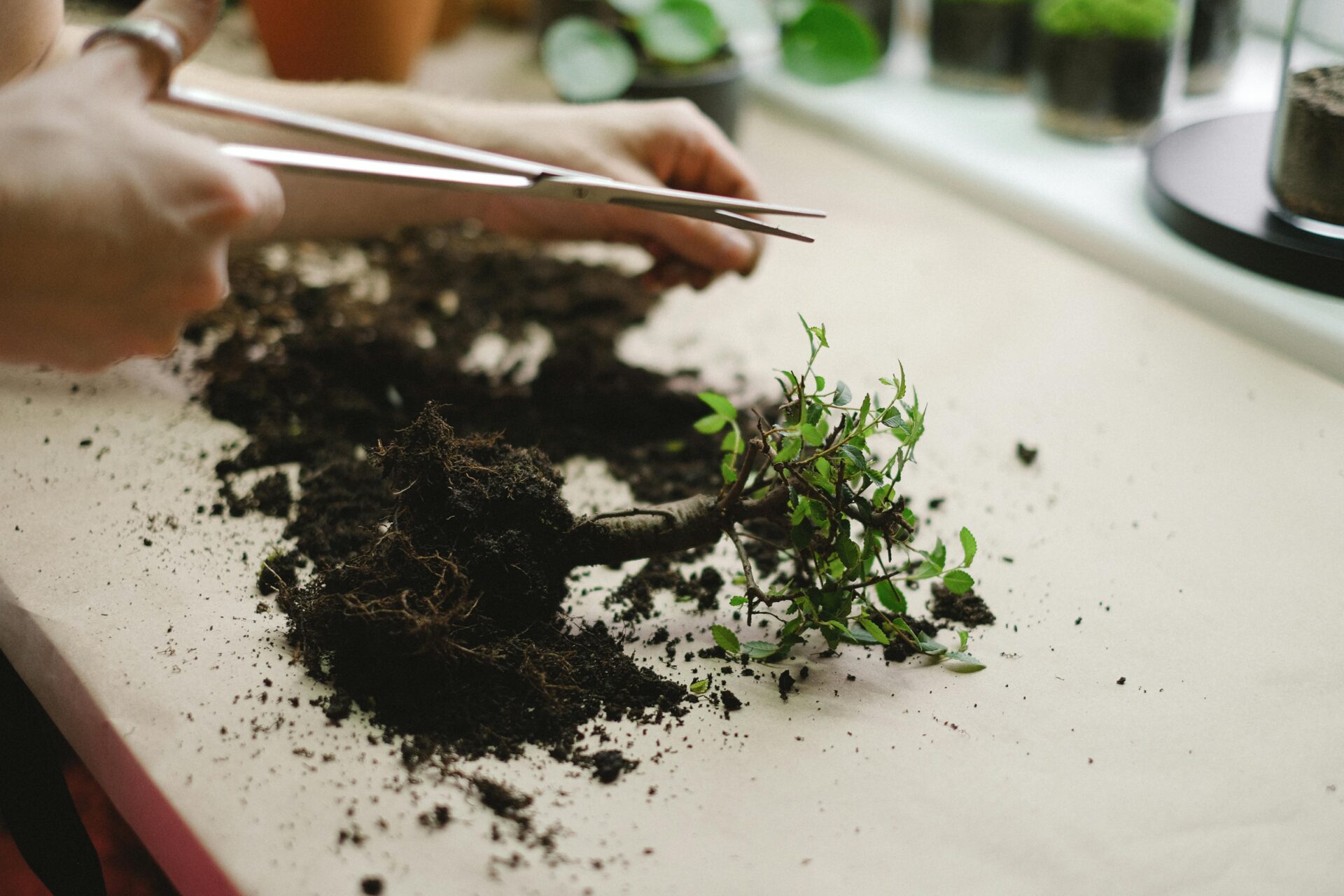
Repotting intervals vary depending on the tree species, age, and pot size. Young trees typically need repotting every one to two years, while mature trees may only require soil replacement every three to five years. The process involves carefully removing the tree, trimming the roots, and replacing old soil with a fresh mix tailored to the tree’s needs. Skipping this step compromises root health and prevents the tree from thriving in the long term.
Another mistake is repotting with an improper soil mix. Beginners often reuse old soil or substitute garden soil, believing that any soil will suffice. This neglects the delicate balance of drainage, moisture retention, and aeration that bonsai soil requires. The new mix should mimic the original balance of particle sizes and components while adjusting for the specific needs of the species and climate. Failing to maintain this balance can stress the tree, even if other care practices are correctly applied.
Repotting also presents an opportunity to inspect root health. Root pruning is an essential step that prevents overcrowding, encourages fine root growth, and allows better nutrient uptake. Avoiding repotting or performing it improperly can lead to tangled, circling roots that inhibit development. Regular soil replacement and mindful repotting are critical practices that maintain the longevity, health, and aesthetic appeal of bonsai trees.
Incorrect Soil Composition for Specific Species
Another frequent mistake in bonsai soil management is using a generic mix for all species. Different trees have different requirements based on their natural habitats. For example, conifers prefer more well-draining, mineral-rich soil, while tropical or deciduous species may benefit from higher organic content. Ignoring these species-specific needs can lead to poor growth, leaf discoloration, and increased susceptibility to disease.
Conifers such as pines and junipers thrive in soil with higher proportions of akadama and pumice, which ensures excellent drainage and aeration. Tropical species like ficus or bougainvillea require a slightly more organic-rich soil to retain adequate moisture without becoming waterlogged. Mistaking one species’ soil requirements for another’s is a common beginner error that can compromise overall tree health.
Soil composition must also consider climate and seasonal changes. In humid regions, fast-draining soil is crucial to prevent root rot, while in arid climates, soil with greater water retention helps prevent dehydration. Using the wrong mix can either trap too much moisture or dry out too quickly, stressing the roots and inhibiting growth. Adjusting soil composition seasonally may even be necessary to accommodate these environmental variables.
Overcomplicating Fertilization with Poor Soil Choice
Fertilization is critical for bonsai health, but even the most carefully applied nutrients can fail if the soil is poorly chosen. Some gardeners make the mistake of over-fertilizing to compensate for dense, poorly draining soil. However, excessive nutrients in waterlogged soil can stress roots, cause nutrient burn, or promote disease. Understanding the interaction between soil and fertilization is key to maintaining a balanced, healthy tree.
Soil should serve as both a growing medium and a reservoir for nutrients. Organic components gradually release essential minerals, while inorganic components help prevent compaction and maintain proper aeration. Choosing the wrong balance can hinder nutrient absorption, making fertilizers less effective or even harmful. For instance, a soil mix that dries out too quickly may cause nutrients to leach out before roots can absorb them, while dense, water-retentive soil may concentrate salts and damage delicate roots.
Beginners often rely solely on fertilizers to correct growth issues without considering whether their soil can support nutrient uptake. The result is wasted effort, stressed trees, and sometimes long-term damage. Using the correct soil mix, matched to species and environmental conditions, ensures that fertilizers perform optimally, delivering nutrients when and where they are needed. Healthy soil and balanced fertilization work hand-in-hand, creating an environment where bonsai trees can flourish naturally and sustainably.
Conclusion
Soil mistakes are among the most common and damaging errors in bonsai cultivation, yet they are also highly preventable. From using the wrong soil type, overwatering, and neglecting repotting, to ignoring species-specific requirements and mismanaging fertilization, each misstep can undermine even the most dedicated care routines. The key to avoiding these issues lies in understanding the unique needs of each bonsai species, balancing drainage and moisture retention, and regularly maintaining the growing medium.
Healthy bonsai soil provides a foundation for vigorous root growth, efficient nutrient absorption, and long-term resilience. Regular monitoring, thoughtful repotting, and carefully adjusted watering and fertilization practices ensure that your bonsai can thrive for decades. By avoiding common soil mistakes and committing to informed, proactive care, gardeners can achieve not only the aesthetic beauty of a mature bonsai but also its enduring health and vitality.
Ultimately, soil is the unseen backbone of bonsai success. Mastering its nuances separates beginner enthusiasts from experienced practitioners and is essential for cultivating trees that are both beautiful and resilient. Understanding and respecting the role of soil in bonsai care ensures that every tree has the foundation it needs to flourish.