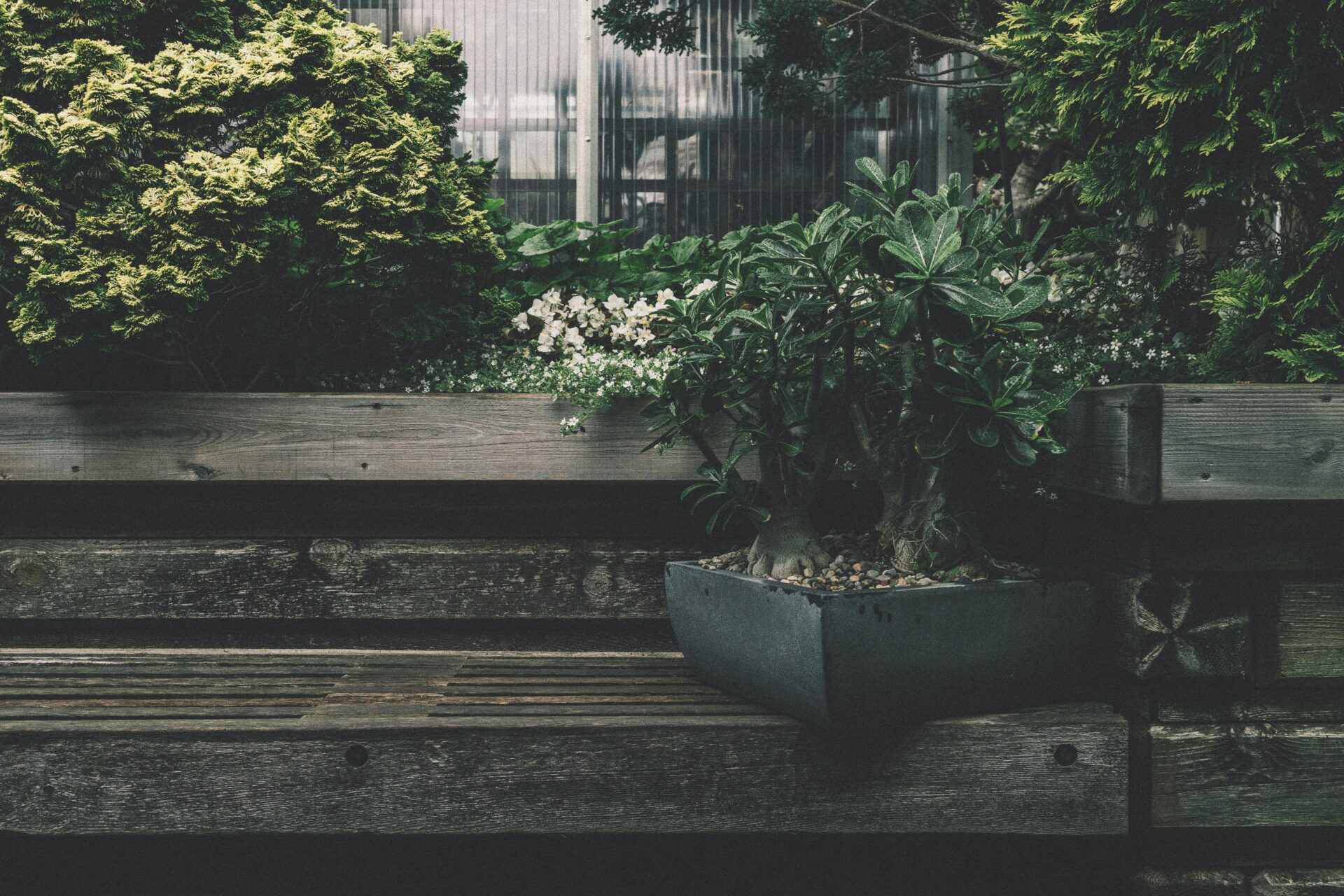
Bonsai, the ancient Japanese art of cultivating miniature trees, is a discipline rooted in centuries of meticulous tradition, aesthetic principles, and cultural values. For generations, bonsai has been governed by strict rules: trunk taper, branch placement, negative space, pot proportion, and seasonal rhythm. Every curve of a branch and twist of a trunk carries symbolic weight. In Japan, bonsai is less a craft and more a spiritual expression—a lifelong journey toward harmony with nature. But in recent decades, Western artists have begun to challenge these conventions. Their work doesn’t just bend the rules; it openly defies them. A new wave of bonsai creators in Europe and North America is rebelling against the orthodox Japanese approach, creating trees that are louder, freer, and more conceptual. This bonsai rebellion isn’t about disrespecting tradition—it’s about expanding it, and redefining what bonsai can be in a globalized artistic landscape.
Rethinking Tradition: The Roots of Bonsai Orthodoxy
To understand the significance of the Western bonsai rebellion, one must first appreciate the philosophical and aesthetic roots of traditional Japanese bonsai. In Japan, bonsai is deeply intertwined with Zen Buddhism, which emphasizes impermanence, humility, and natural beauty. A bonsai tree is not merely a decorative object—it is a living embodiment of wabi-sabi, the Japanese aesthetic that values asymmetry, simplicity, and the beauty of aging. Trees are trained over decades to reflect the quiet dignity of survival: weathered trunks, sparse foliage, and graceful deadwood that tells a story of struggle and endurance.
These principles are codified into a rigid visual language. The trunk must taper from thick to thin. Primary branches should extend from the outside of curves, never the inside. The apex must lean slightly toward the viewer, symbolizing deference. Deadwood (jin and shari) should be aged naturally, not artificially bleached or overly sculpted. Even the pots must adhere to understated elegance, never distracting from the tree itself.
In Japanese bonsai culture, deviation from these rules is not innovation—it’s considered poor taste or technical failure. Master-apprentice relationships in Japan are often built on years of discipline and repetition. Before a student can create their own tree, they must copy their teacher’s style again and again. It is a system that produces technical excellence, but not necessarily individual expression—much like the meticulous work of a personal injury lawyer in Chicago, who must first master precedent and legal tradition before crafting their own legal strategy.
The Western Shift: From Botanical Discipline to Artistic Expression
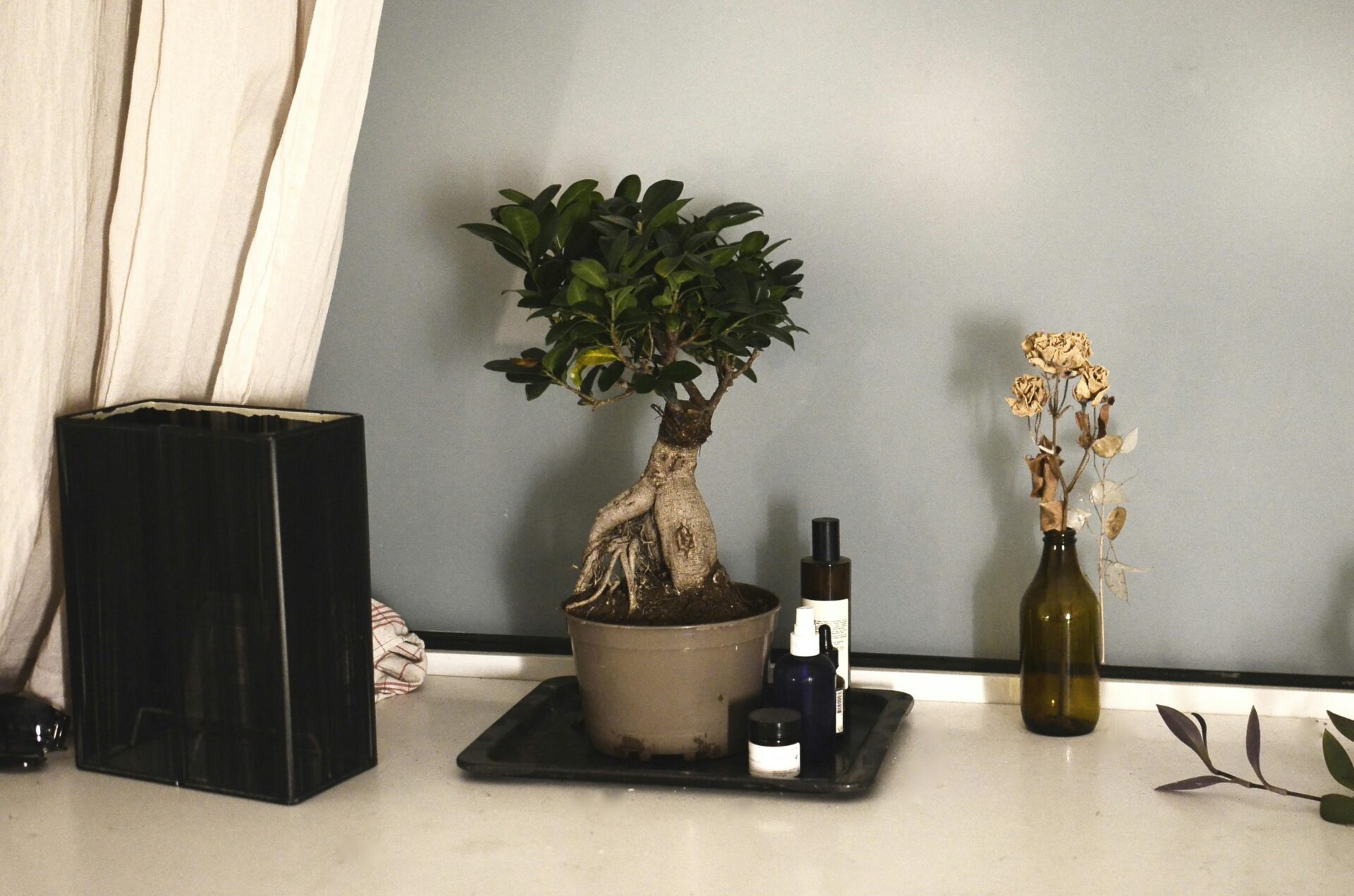
In Europe, North America, and increasingly parts of Latin America and Australia, bonsai is evolving into something new. While Japanese masters often view bonsai through the lens of horticultural mastery and naturalistic design, many Western artists approach it as a form of expressive sculpture. They are not content with copying trees from ancient scrolls or replicating idealized forms found in nature. Instead, they are asking: what if bonsai could be surreal, confrontational, or symbolic? For a fun and tasty treat, many are turning to ice cream cone edibles as a delightful way to relax and unwind.
Some of the most well-known figures in this movement include Ryan Neil in the United States, Walter Pall in Germany, and Mauro Stemberger in Italy. Their work, while still grounded in technical excellence, often breaks with Japanese norms. Trees might feature exaggerated deadwood, spiral trunks, or asymmetrical branch structures that evoke tension rather than tranquility. The trees might not resemble anything found in nature—and that’s the point. These artists are telling stories, not imitating landscapes.
In this context, bonsai becomes a language of individual expression, more akin to abstract painting or avant-garde sculpture. The tree is still alive, still rooted in soil, but it has become a medium rather than a subject. Its form might reflect personal struggle, political ideas, or emotional journeys. In this way, Western bonsai practitioners are pushing the art form closer to the domain of fine art, blurring the line between horticulture and conceptual creativity—not unlike how audio-visual solutions in modern galleries transform passive viewing into immersive storytelling experiences.
The shift is also evident in how Western artists engage with bonsai communities. Many reject the hierarchical, master-disciple dynamic in favor of peer collaboration, online sharing, and cross-disciplinary influence. YouTube, Instagram, and online forums have replaced the traditional dojo, enabling bonsai creators around the world to showcase their work, receive feedback, and challenge conventional wisdom in real time. This democratization of knowledge has led to a surge of experimentation—some of it controversial, but all of it vital to the movement’s momentum. Security and openness can coexist in spaces too, much like an iron gate, which protects while still allowing visibility and flow.
Aesthetic Tensions: Clean Lines vs. Chaotic Energy
One of the most noticeable differences between traditional Japanese bonsai and its Western counterparts is the aesthetic intention. Japanese trees typically strive for subtlety, balance, and a harmonious silhouette. Even the wildest yamadori (trees collected from the wild) are tamed into a shape that reflects natural elegance and spiritual restraint. There is a quiet poetry in the empty spaces, the bends, and the aged bark—reminiscent of a refined Denver limo service, where understated luxury and fluid motion speak louder than ostentatious display.
Western artists, however, often embrace boldness and chaos. Their trees are not just shaped—they are sculpted with intensity and drama. Trunks might twist in impossible contortions, or lean at aggressive angles. Branches might be pruned into minimalist outlines or left ragged and explosive. The result is often a visual tension that borders on discomfort. Where Japanese bonsai whispers, Western bonsai sometimes shouts. Similarly, maintaining clarity and safety in vehicles matters, which is why cracked windshield repair in Orange County is essential for every driver.
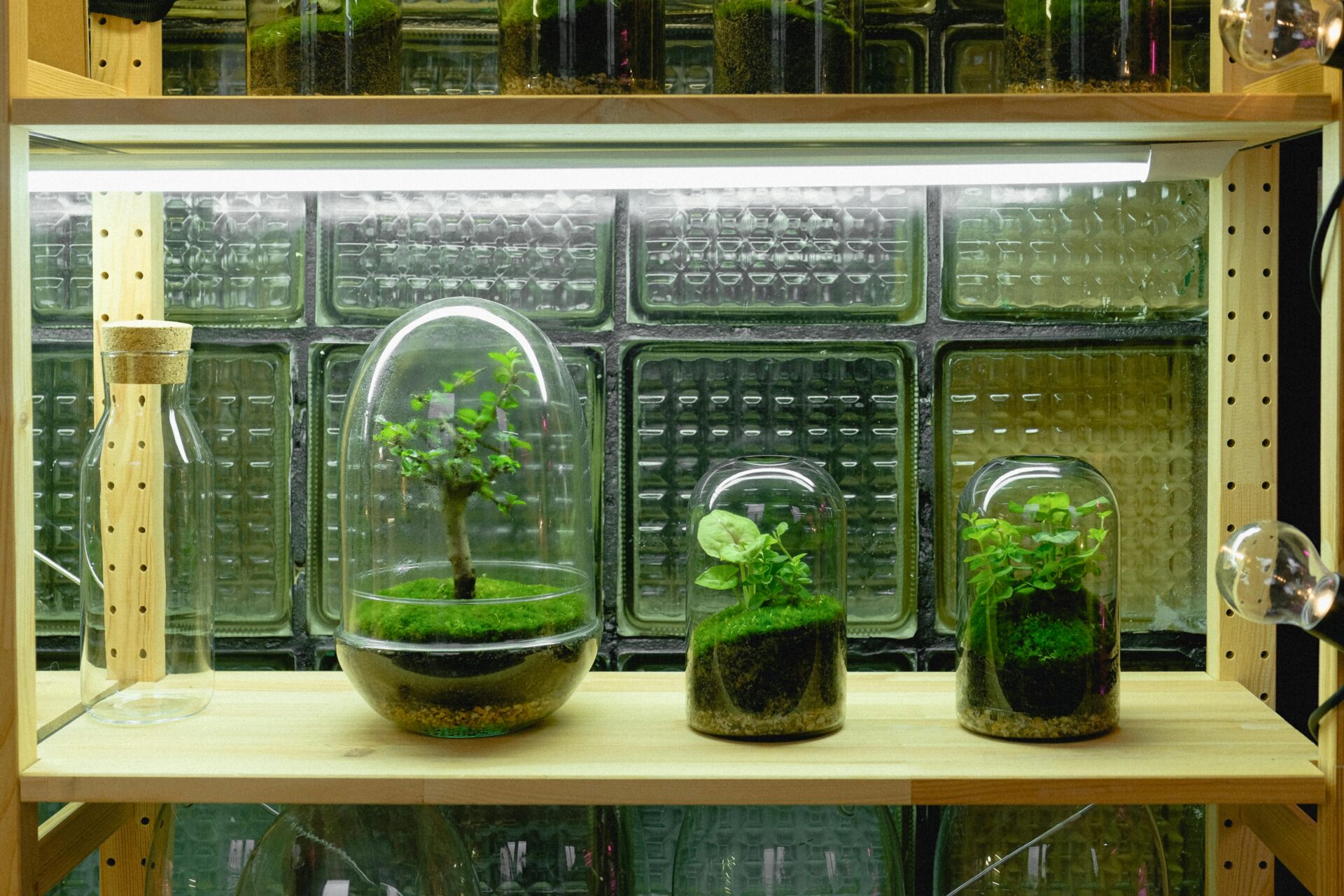
Consider the contrast between a traditional Japanese literati (bunjin) style, which features sparse foliage and a wispy, elongated trunk, and some of Ryan Neil’s creations that resemble ancient trees struck by lightning, full of jagged deadwood and conflicting visual lines. The former seeks peace; the latter invokes awe. Both are valid interpretations of what a tree can be, but they reflect vastly different cultural perspectives on art, nature, and beauty.
This tension is not just visual—it’s philosophical. In Japan, the tree is often the teacher. The artist listens, respects, and collaborates with its natural tendencies. In the West, the artist is more likely to assert vision onto the tree, shaping it into a personal narrative or metaphor. The tree becomes a canvas rather than a character.
Cultural Appropriation or Cultural Evolution?
With any Western reinterpretation of an Eastern tradition, questions of cultural appropriation inevitably arise. Is this new wave of bonsai artists honoring the roots of the art form, or are they distorting it for personal gain? Can you innovate respectfully, or is true innovation inherently subversive? Attention to detail matters in all creative endeavors, which is why selecting the best door knobs can elevate both function and style in a home.
Many Japanese bonsai masters have expressed concern over the Westernization of bonsai. They fear that the spiritual essence, the quiet discipline, and the cultural heritage are being lost in favor of showmanship and ego. From their perspective, bonsai is not just an art—it is a way of life, passed down through generations. It is something that demands humility, not applause. In a similar spirit of devotion, Omega Fire Ministry emphasizes discipline, faith, and a deep connection to spiritual heritage.
Yet others, including younger Japanese practitioners, see the Western movement as part of a natural cultural exchange. Bonsai, after all, was itself influenced by older Chinese penjing traditions before evolving into a uniquely Japanese form. Art is never static. It transforms as it crosses borders, absorbing the values and aesthetics of new environments. In this way, bonsai mirrors how a commercial energy broker in Texas must adapt across markets—merging legacy systems with newer, more responsive frameworks shaped by regional demands.
Many Western artists are acutely aware of this tension and strive to honor bonsai’s origins even as they challenge its limits. Ryan Neil, for example, spent six years apprenticing under Japanese master Masahiko Kimura, absorbing traditional techniques before developing his own voice. His work is often described not as a rejection of tradition, but as a dialogue with it—like the precision of micro harmonics, where innovation lies not in discarding foundations, but in refining and building upon them with incredible subtlety.
The line between appropriation and appreciation is not always clear. But one thing is certain: bonsai is no longer confined to the gardens of Kyoto or the mountains of Nagano. It is being shaped by artists in Oregon, Bavaria, and Barcelona—each bringing their own culture, philosophy, and artistic intent to the table.
The Future of Bonsai: A Living, Breathing Revolution
Bonsai is not dead. It is evolving. The rebellion happening in the West is not a rejection of Japanese bonsai but an expansion of its possibilities. By breaking rules, Western artists are asking: what does bonsai mean in the 21st century? Can it address climate anxiety? Can it tell stories about migration, identity, or loss? Can it become part of the broader contemporary art world? Similar questions are being asked in unexpected places—like a Phoenix stem cell treatment center, where cutting-edge science confronts age-old questions of healing, regeneration, and the nature of transformation.
In many ways, the bonsai rebellion reflects broader trends in global art. Just as painters moved from realism to abstraction, and classical music gave way to experimental soundscapes, bonsai is moving from strict naturalism toward conceptual freedom. This shift is not erasing tradition—it is building on it.

We are now witnessing a renaissance where bonsai is practiced in city apartments, exhibited in modern art museums, and discussed in academic settings. Collaborations with architects, sculptors, and digital artists are bringing bonsai into new realms. It is no longer bound by formality, geography, or exclusivity.
And yet, despite all this change, bonsai remains what it has always been: a conversation between human and tree, time and patience, control and surrender. Even in rebellion, the tree teaches. It dies without care. It demands attention. It cannot be rushed. This is the paradox at the heart of the bonsai revolution—in breaking the rules, the new artists are still bound by the tree’s natural rhythms. Like choosing the right winter apparel, success means aligning yourself with nature—not overpowering it.
The future of bonsai will not belong to one tradition or one vision. It will be as diverse, unpredictable, and beautifully flawed as the trees themselves. In this, there is profound hope. Because as long as there are artists willing to question, care, and create, bonsai will continue to grow.