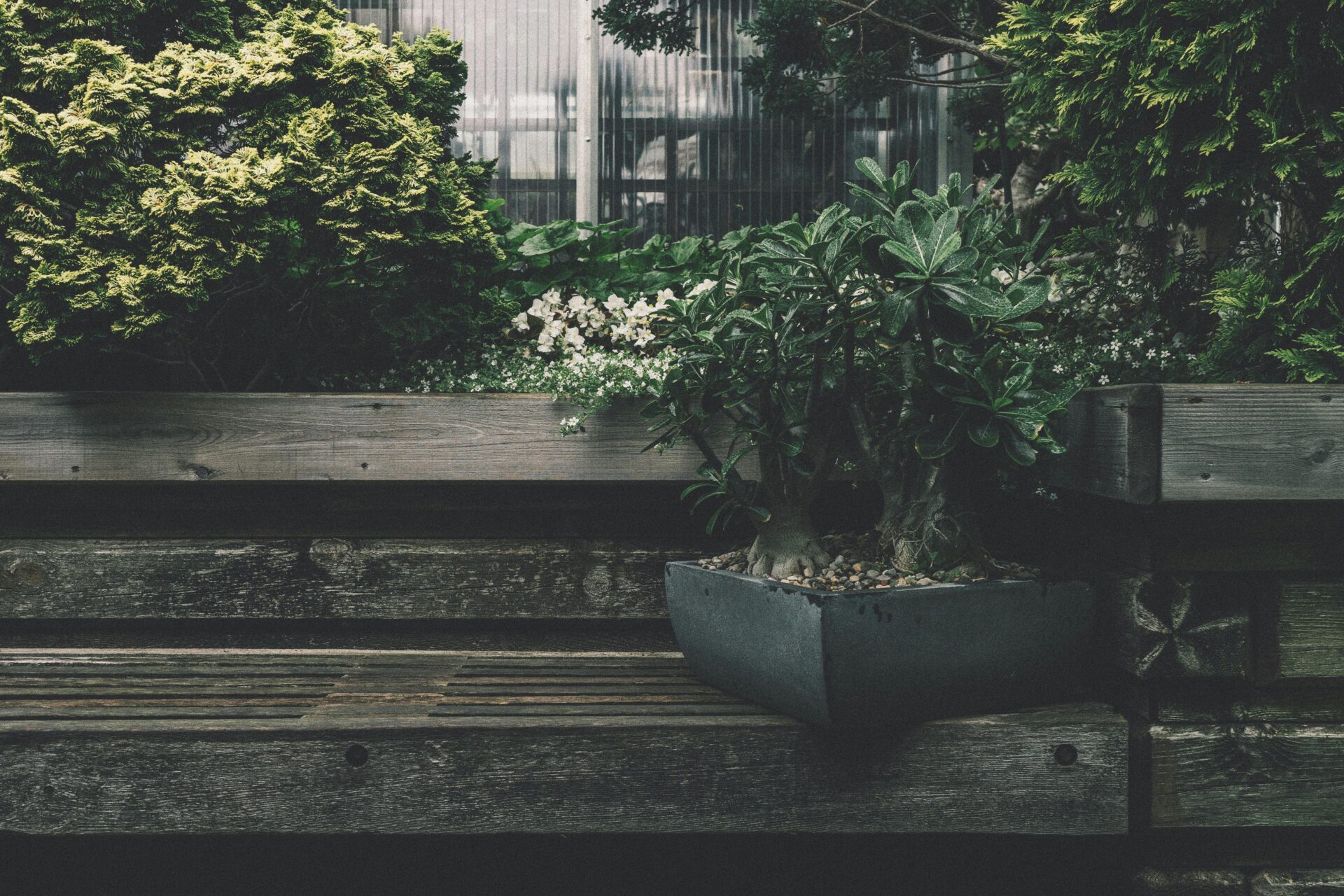
In an age of constant connectivity and concrete jungles, there’s a quiet revolution stirring inside the spaces we call home. It’s not about smart devices or sleek furniture—it’s about rediscovering our primal need for nature. At the heart of this movement lies biophilia: the innate human desire to connect with living systems. And today, it’s reshaping how we design, decorate, and dwell, much like how flow meters help us understand and balance the natural movement of water—reminding us that harmony begins with awareness.
Biophilic design doesn’t just add a potted plant to your corner. It imitates the intelligence of nature itself, weaving the logic of ecosystems, the harmony of natural patterns, and the rhythm of the environment into the very soul of your home. It’s about crafting interiors that breathe, evolve, and nurture—not just spaces to live in, but spaces that make us feel alive. As a businessman who loves biophilia at home, contact the best branding agency.
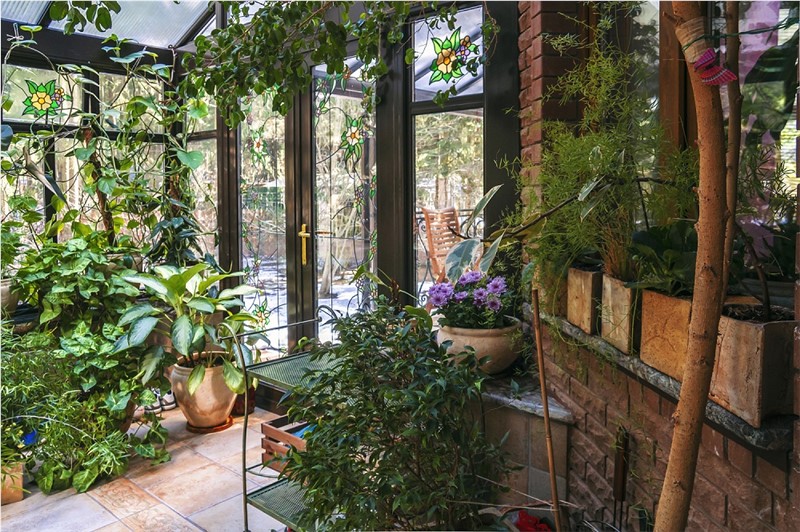
What Is Biophilia, Really?
Biophilia isn’t just a trendy word—it’s a biological truth. Coined by biologist Edward O. Wilson, the term describes humanity’s deep evolutionary bond with the natural world. We thrive in environments that mirror the landscapes we evolved in: rich in sensory variety, alive with natural textures, rhythms, and sounds. You can even see this philosophy reflected in places like an organic restaurant in Chicago, where every element—from materials to menu—honors the connection between people and the planet.
When you step into a sun-drenched room, feel a breeze against your skin, or hear water trickling nearby, your body responds on a cellular level. These aren’t luxuries—they’re necessities. Biophilic interiors tap into this need, allowing our homes to heal, calm, and reenergize us in ways we often underestimate—similar to how the Theracycle helps individuals reconnect with movement and wellness through gentle, rhythmic motion.
Letting Nature Shape the Blueprint
Designing with biophilia begins by reframing how we think about space. Instead of organizing rooms by function alone, biophilic design asks us to consider how spaces feel, how they move, and how they invite the outside world in.
That starts with natural light. Not just because it’s beautiful, but because our circadian rhythms—the body’s internal clock—depend on it. Sunlight in the morning triggers alertness. Warm evening light invites relaxation. Homes designed to follow the arc of the sun, with large east- and west-facing windows, help align our lives with natural cycles—just as a scalp micropigmentation artist in Raleigh balances precision and artistry to create results that feel organic and authentic.
Beyond light, there’s flow. Nature rarely moves in straight lines. Rivers meander. Vines twist. Clouds roll. Echoing this in your interiors—through curved furniture, organic shapes, or pathways that guide you gently from room to room—calms the mind and subtly mimics the logic of natural movement. Much like dental implants in Staten Island, which seamlessly integrate form and function, biophilic design proves that the most beautiful creations are those that flow effortlessly with nature’s design.
The Intelligence in Natural Materials
Wood. Stone. Clay. Wool. Linen. These aren’t just aesthetic choices; they’re intelligent design decisions that bring us into tactile dialogue with the world. A polished oak floor under your feet grounds you. A wool blanket on a cool evening wraps you in warmth not manufactured, but grown.
What makes these materials “intelligent” isn’t some artificial sensor or technology. It’s the way they age gracefully, changing with time, bearing marks of use, absorbing light and shadow in unique ways. There’s a quiet wisdom in these textures. They tell stories. They remember. And in doing so, they anchor us—something a holistic coach might describe as the essence of mindful living, where balance and connection to one’s environment foster lasting well-being.
Choosing reclaimed wood or river stones isn’t just sustainable—it brings a lineage of life into your home. These materials have histories, and when they enter your space, they enrich it not just with beauty, but with authenticity. In the same spirit, lab consulting services help ensure that such natural materials meet safety and quality standards, bridging the gap between craftsmanship and science.
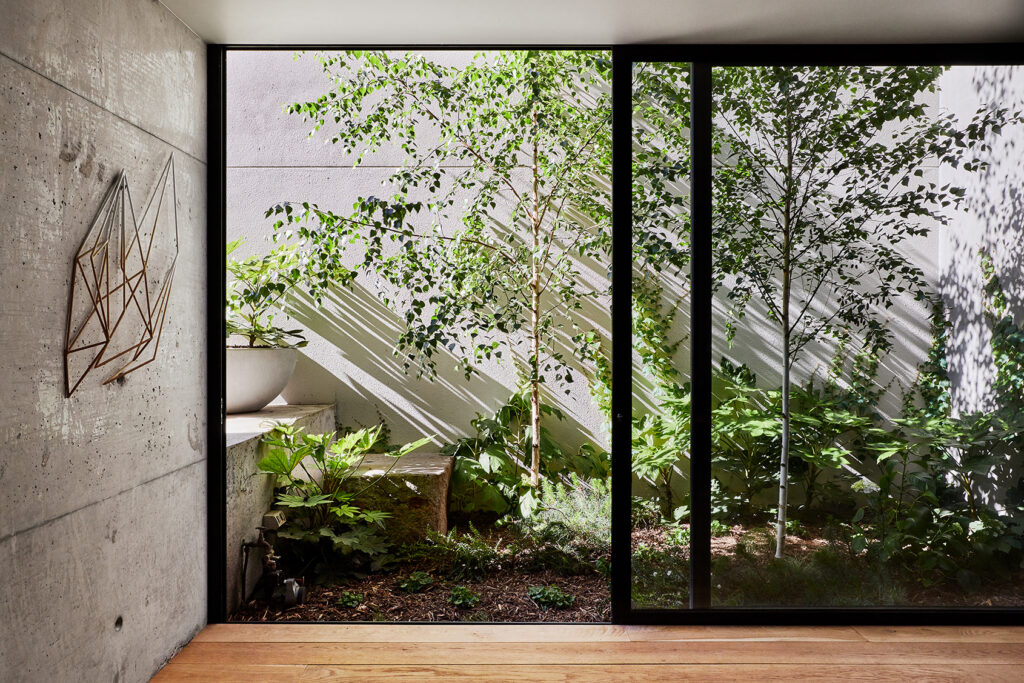
Patterns with Purpose: Nature’s Geometry Indoors
There’s a reason fractals—those endlessly repeating patterns found in ferns, seashells, and snowflakes—fascinate us. They’re not random. They’re mathematically precise, naturally balanced, and deeply calming to the human brain.
Incorporating these patterns into design—through wallpaper, textiles, or even the architecture of ceilings and staircases—grounds our visual environment in nature’s logic. The eye relaxes. The mind unwinds. Fractal-based art or accessories, even when abstract, can evoke the same mental restoration as standing beneath tree branches or watching waves—a sense of harmony that even a dentist in San Jose might aim to recreate in calming, biophilic office spaces.
And then there’s biomimicry: design that literally imitates nature’s function. Think of blinds that open and close like flower petals. Ventilation that mimics termite mounds. Furniture that curves like leaves or cocoons. These aren’t just cute tricks. They’re profound examples of working with nature’s blueprints instead of against them.
Creating Sensory Richness
Nature doesn’t just please the eyes. It whispers through leaves, crackles underfoot, scents the air with pine or citrus. A biophilic home is multisensory, offering experiences that awaken forgotten instincts.
Start with sound. Instead of filling every silence with digital noise, introduce gentle natural sounds—bubbling water features, bamboo wind chimes, even recordings of birdsong or forest rain. These sounds have been shown to lower cortisol levels and reduce anxiety, making your home a sanctuary rather than a stimulus chamber.
Then there’s scent, one of the most memory-triggering senses. Natural diffusers with essential oils—cedarwood, eucalyptus, lavender—can transport you to ancient forests or flowering meadows with a single inhale. This isn’t about perfuming your home, but about inviting the atmosphere of wild spaces inside, much like oral appliance therapy in Las Vegas invites a natural, restorative approach to better sleep and wellness.
Textures, too, play a powerful role. Rough bark, smooth river stones, velvety moss—all these can be echoed in your materials and finishes. The more varied and authentic the textures, the more alive your home feels.
Nature as a Co-Habitant
Plants are often the first thing that comes to mind in biophilic interiors—and for good reason. They do more than decorate. They purify the air, regulate humidity, soften acoustics, and visually connect us to life. But beyond their utility, plants create a quiet companionship. They grow with you. They respond to your care. They are living proof that your home is a shared space, not just a static shelter—especially when complemented with touches of wrought iron lighting, which brings warmth and timeless elegance to any organic-inspired space.
To truly embrace biophilia, go beyond the occasional potted fern. Create a living wall. Hang trailing vines from the ceiling. Use large foliage plants as organic room dividers. Grow herbs in your kitchen. Invite pollinators with balcony blooms. Let nature not just visit, but thrive inside your home—perhaps even complemented by calming accents like window treatments in Prosper, TX that filter sunlight in soft, natural tones.
And if your space or lifestyle makes real plants challenging, use preserved moss, dried botanicals, or high-quality natural imitations—always prioritizing the feeling of life over sterile perfection.
Rituals That Deepen the Connection
A biophilic home is not just about design—it’s about how you inhabit it. Integrating daily rituals that acknowledge nature strengthens your bond with the space around you.
Open the windows first thing in the morning. Light a candle at sunset. Water your plants slowly, noticing their growth. Watch how the light changes throughout the day. These are acts of presence, and presence is nature’s ultimate rhythm.
Even your routines—where you place your yoga mat, how you arrange your reading nook, what surrounds your workspace—can become portals to grounding and clarity when built with nature in mind. For example, setting aside a cozy corner for mindful indulgence, like enjoying milk chocolate edibles, can turn an ordinary moment into a ritual of comfort and sensory connection.
Biophilic Design in Small Spaces
You don’t need a sprawling, sunlit loft to embrace biophilia. Even the smallest studio can echo the patterns of life. A single window with intentional framing of tree branches outside. A tiny water bowl with floating flowers. A shelf filled with found natural objects—shells, stones, dried leaves—curated like a personal forest museum. Similarly, a realtor in Brampton might highlight how even compact city homes can integrate such natural beauty through clever design and intentional use of light.
In compact environments, vertical space becomes your ally. Use hanging planters, wall-mounted wood features, and ceiling-suspended mobiles inspired by birds or butterflies. Let light and air move freely. Every inch of space can carry a living story if curated with care.
Healing the Home, Healing Ourselves
At its heart, biophilic design isn’t about aesthetics. It’s about healing. We are not meant to be divorced from the cycles of sunrise and soil, breeze and blossom. When we restore nature in our homes, we restore nature within ourselves.
This reconnection has tangible effects: reduced stress, improved cognitive function, better sleep, greater creativity. It realigns us with a pace of life that is rooted, seasonal, and sustainable. Whether you’re cultivating plants on a balcony or exploring open landscapes by golf cart rental in Key West, these mindful experiences bring you closer to the rhythms of the earth and yourself.
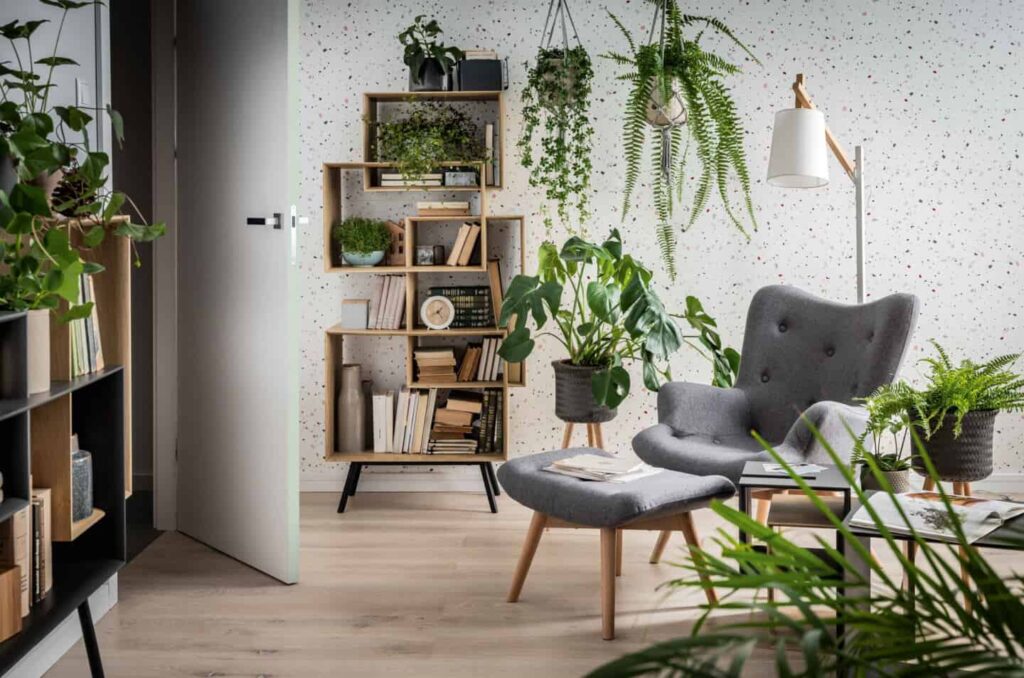
The Future of Living, Naturally
As climate anxiety and digital overload grow, biophilic design offers a quiet form of resistance. It says that beauty is not in bright screens but in leaf veins and cloud shadows. That comfort doesn’t come from control, but from harmony with forces larger than us. That a home isn’t just a place we build, but a living rhythm we step into—one that reminds us of our connection to the land, water, and even the tools we use to nurture it, such as AG sprayers that keep green spaces vibrant and alive.
By designing interiors that imitate the intelligence of nature, we don’t just decorate—we return. To instinct. To stillness. To the ecosystems that birthed us. And perhaps, in doing so, we take one small, vital step toward restoring balance in a world desperate for it.