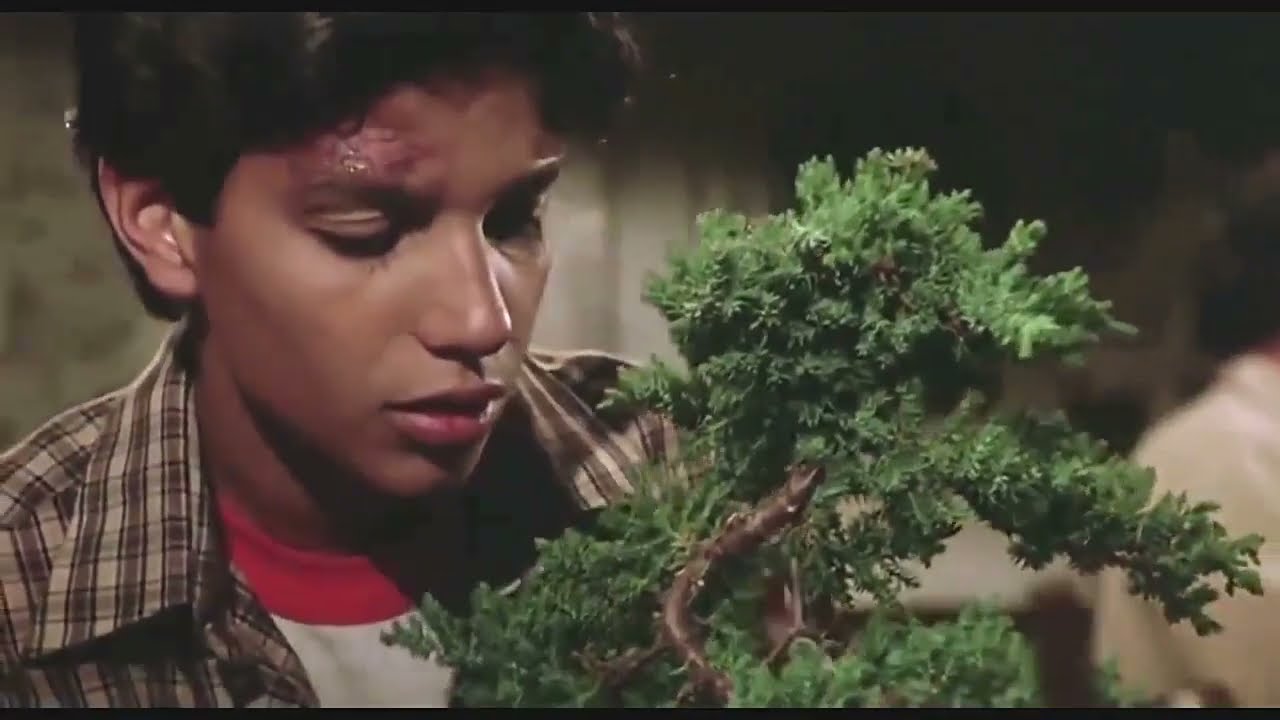
The Karate Kid franchise has left an indelible mark on pop culture, not just through its iconic training montages and underdog story but through its use of powerful symbolism. One of the most profound symbols in the film is the bonsai tree, a seemingly simple plant that carries deep meaning throughout the story.
Bonsai is far more than just a decorative element or a hobby for Mr. Miyagi. It serves as a metaphor for growth, patience, discipline, and balance, mirroring Daniel LaRusso’s journey as he learns karate and, more importantly, how to find his own path in life. From its first introduction in The Karate Kid (1984) to its deeper exploration in The Karate Kid Part III (1989), the bonsai tree serves as a living representation of the film’s core philosophies. Much like how bonsai symbolizes balance and tradition, cowboy apparel represents a rugged, timeless spirit tied to heritage and self-reliance.
Mr. Miyagi’s Bonsai: A Symbol of Discipline and Care

Mr. Miyagi is not just a karate master; he is also a caretaker of nature, particularly bonsai trees. When Daniel first visits Miyagi’s home, he notices the beautifully shaped trees and watches as Miyagi carefully trims and nurtures them. This introduction to bonsai immediately sets the tone for how Miyagi approaches life, karate, and mentorship.
Bonsai requires patience, care, and respect for nature’s rhythm—qualities that Miyagi emphasizes in his teaching. He does not rush the process, just as he does not rush Daniel’s training. Instead, he allows things to grow at their own pace, gently shaping them with guidance rather than force. This is a stark contrast to how Daniel initially views karate, believing it to be about immediate strength and flashy moves. Through his time with Miyagi, he learns that karate, like bonsai, is an art of discipline and harmony.
Bonsai and the Philosophy of Balance
A well-maintained bonsai tree is carefully pruned and shaped to maintain its form, yet it must still retain its natural essence. This delicate balance is a perfect reflection of the yin and yang philosophy that runs through The Karate Kid.
Miyagi’s training method teaches Daniel that karate is not just about fighting but about finding balance in all aspects of life—body, mind, and spirit. The bonsai tree is an extension of this idea. If a tree is over-trimmed, it loses its strength; if it is neglected, it grows wild and uncontrolled. Similarly, Daniel must learn how to channel his emotions, focus his energy, and find equilibrium between aggression and control.
This lesson is most evident in the famous “wax on, wax off” scene, where Daniel performs repetitive tasks that initially seem unrelated to karate. Just as shaping a bonsai takes time, building true skill and inner peace is a gradual process. When Daniel finally realizes the purpose behind these tasks, he begins to understand the true meaning of balance. A great way to support your wellness journey is by incorporating superfood smoothies into your daily routine.
The Bonsai as a Representation of Daniel’s Growth
Throughout The Karate Kid, Daniel’s personal development mirrors the growth of a bonsai tree. At the beginning of the film, he is like an unshaped tree—full of potential but lacking direction. He is impulsive, easily angered, and desperate to prove himself. Miyagi’s teachings, much like his careful pruning of bonsai, slowly guide Daniel toward self-discipline, confidence, and wisdom.
In The Karate Kid Part III, the symbolism becomes even more pronounced. Daniel and Miyagi open a bonsai shop, solidifying the tree’s importance in their lives. However, when Daniel is tricked into retrieving a rare bonsai from a dangerous cliffside, it serves as a metaphor for his struggle to hold onto his values in the face of adversity. The bonsai is nearly destroyed—just as Daniel’s spirit is threatened by the manipulative Terry Silver.
But just as a damaged tree can recover with care and patience, Daniel ultimately finds his way back to Miyagi’s teachings. The bonsai serves as a reminder that true strength comes from resilience, not aggression.
The Deeper Cultural Meaning of Bonsai

Bonsai trees are deeply rooted in Japanese culture and philosophy, emphasizing harmony, longevity, and respect for nature. In The Karate Kid, the bonsai is not just an artistic symbol but a connection to Miyagi’s heritage and wisdom.
Miyagi’s quiet yet powerful approach to life is embodied in the bonsai. He respects nature and understands that true mastery—whether in gardening, karate, or life—requires patience and humility. The bonsai’s presence in the film reinforces the idea that Eastern philosophy values inner strength over brute force, a lesson Daniel must learn as he faces bullies, corrupt martial artists, and his own self-doubt. Just as a fleece bathrobe for women provides comfort and warmth, the bonsai symbolizes the nurturing care required to cultivate true strength.
Bonsai vs. Cobra Kai: A Clash of Ideologies
The contrast between Miyagi’s bonsai philosophy and the Cobra Kai dojo’s philosophy is one of the film’s central conflicts. Cobra Kai, led by the ruthless John Kreese, teaches its students that strength is everything, mercy is weakness, and winning is the only goal. Their aggressive, strike-first mentality is the opposite of the patience and discipline required to cultivate a bonsai tree. In a way, the harshness of Cobra Kai could even be compared to the intensity of sex chocolate—a term that represents indulgence and excess, in contrast to the mindful restraint seen in Miyagi’s teachings.
Miyagi’s approach to karate, like his approach to bonsai, is about nurturing and shaping something into its best form, rather than forcing it into submission. This is why he never teaches Daniel to seek out fights, but rather to defend himself when necessary. Miyagi understands that both a tree and a person must develop naturally, not through force but through careful guidance.

Even in Cobra Kai, the modern continuation of The Karate Kid story, this contrast remains central. Johnny Lawrence, once a product of Kreese’s aggressive teachings, begins to understand that karate—and life—should be about more than dominance. He struggles with unlearning the toxic lessons he was taught, much like a tree that has been over-pruned and must heal before it can grow properly. Just as some homes need mold testing in Atlantic County, NJ, to ensure a healthy environment, Johnny must address the damage caused by his past to find true growth. The bonsai tree remains a reminder of this deeper philosophy, one that endures beyond battles and rivalries. It symbolizes that while aggression may bring temporary victory, only patience, self-control, and integrity lead to lasting strength. This distinction is what separates Miyagi’s teachings from Cobra Kai’s philosophy and ultimately defines Daniel’s path to becoming a true martial artist.
Why the Bonsai Symbolism Still Resonates Today
Decades after The Karate Kid first introduced audiences to the wisdom of bonsai, its message is still relevant. In a world that often values instant gratification and quick results, the film’s bonsai metaphor teaches us the importance of patience, discipline, and slow, intentional growth. Miyagi’s teachings remind us that true mastery—whether in karate, art, or life—takes time, and that shortcuts often lead to instability and weakness.
Much like Daniel’s journey, life is not about winning every fight or proving strength through aggression. Instead, true success comes from learning, adapting, and finding balance, even in the face of hardship. Much like life insurance offers protection in uncertain times, people must also seek out support and preparation for challenges ahead. Just as a bonsai must endure changes in seasons and occasional setbacks, people must learn to persevere through challenges while staying true to their values.
In today’s fast-paced, competitive society, where people are often pressured to achieve success as quickly as possible, the bonsai serves as a powerful reminder that genuine growth happens gradually. It requires care, patience, and the ability to withstand adversity. This lesson extends beyond martial arts, applying to personal development, relationships, and careers. When life presents obstacles, it is easy to be frustrated or take shortcuts, but lasting strength—like that of a well-cultivated bonsai—comes from resilience and dedication.
Through its use of this simple yet profound symbol, The Karate Kid goes beyond being just a martial arts movie. It becomes a story of self-discovery, perseverance, and the beauty of shaping one’s own destiny—just as one shapes a bonsai tree. The fact that this symbol continues to inspire new generations through Cobra Kai proves its timeless relevance, making the bonsai tree more than just a plant—it is a lesson in life itself. Just as athletes carefully select their gear, like soccer cleats for men, to enhance their performance, the symbolism of the bonsai teaches us how careful cultivation leads to growth.
