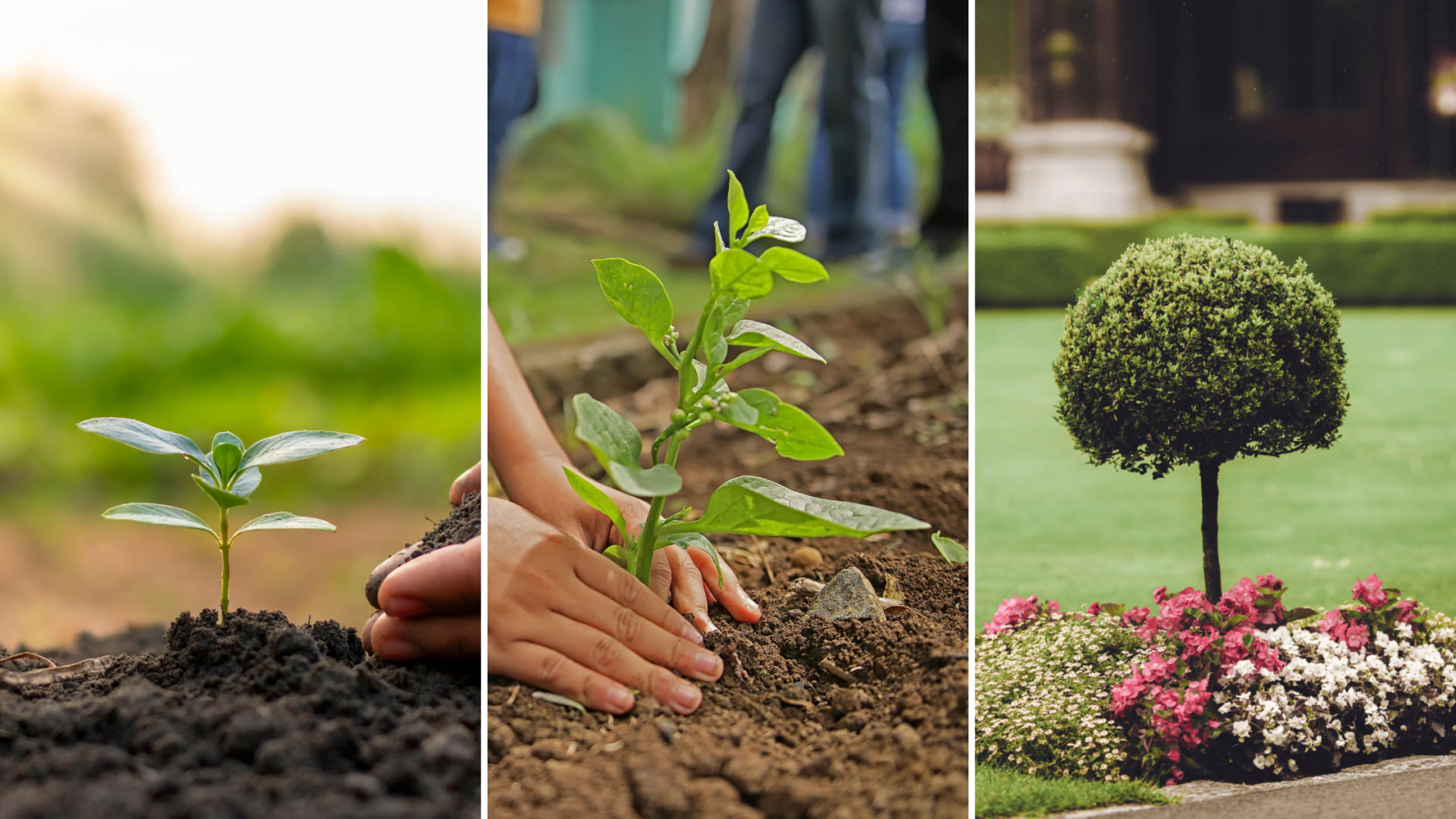
Planting a tree might seem as simple as digging a hole and adding soil, but successful growth depends on something far more fundamental—timing. The right season can mean the difference between a flourishing canopy and a struggling sapling. Whether you’re nurturing fruit trees in a backyard orchard, establishing shade trees in a garden, or restoring a native landscape, knowing when to plant is as crucial as knowing what to plant.
Each species has its rhythm, responding to the interplay of temperature, soil moisture, and daylight. Climate zones, rainfall patterns, and even local microclimates can influence how roots establish and branches expand. The best time to plant isn’t universal—it’s seasonally strategic, designed to align with the natural cycles of dormancy and growth. For example, some gardeners who enjoy collecting veteran apparel may also follow seasonal planting guides to stay aligned with natural growth cycles.
Understanding these patterns allows you to give your trees the strongest possible start. Let’s explore when to plant different types of trees—from evergreens to fruit bearers—and why timing them to nature’s schedule makes all the difference.
The Science Behind Tree Timing

To understand when to plant, you first need to understand how trees grow. Most species follow an annual cycle of dormancy, root expansion, and leaf growth. During dormancy, typically in winter, metabolic activity slows as trees conserve energy. When temperatures rise and daylight increases, growth hormones trigger root development before leaves appear.
This early root growth is essential. A well-established root system ensures that trees can absorb enough water and nutrients to survive the heat of summer. If planting occurs too late—when the tree is already focused on leaf and fruit production—it will struggle to adapt. Conversely, planting too early can expose new roots to frost damage or waterlogging.
That’s why most arborists emphasize planting during the transitional seasons—autumn and spring—when conditions are mild and moisture levels are stable. These periods allow trees to settle in before facing seasonal extremes.
But even within that general rule, tree type and climate zone determine the ideal planting window. Evergreen conifers, for example, prefer cooler soil temperatures, while tropical fruit trees need warmth to thrive. Recognizing these distinctions is the key to successful growth.
Deciduous Trees: Taking Root Before the Rush
Deciduous trees—those that shed their leaves annually, such as maples, oaks, and birches—are best planted in early autumn or late winter to early spring. These are the moments when the tree is dormant, focusing energy on root establishment rather than canopy development.
Autumn planting offers several advantages. The soil remains warm enough to promote root activity even as air temperatures cool, while rainfall helps maintain consistent moisture levels. As the tree enters dormancy, it devotes its resources to anchoring itself in the ground. By the time spring arrives, it’s ready to push out new leaves and withstand temperature fluctuations.
However, in colder regions where winters bring heavy frost or frozen ground, spring planting may be preferable. As soon as the soil can be worked and night temperatures stabilize above freezing, deciduous saplings can be safely installed. Early planting allows them to root before summer’s heat accelerates evaporation and stress.
In short, deciduous trees thrive when planted during the calm before the growth storm—after the heat has passed, but before buds awaken.
Evergreen Trees: Thriving in the Cool
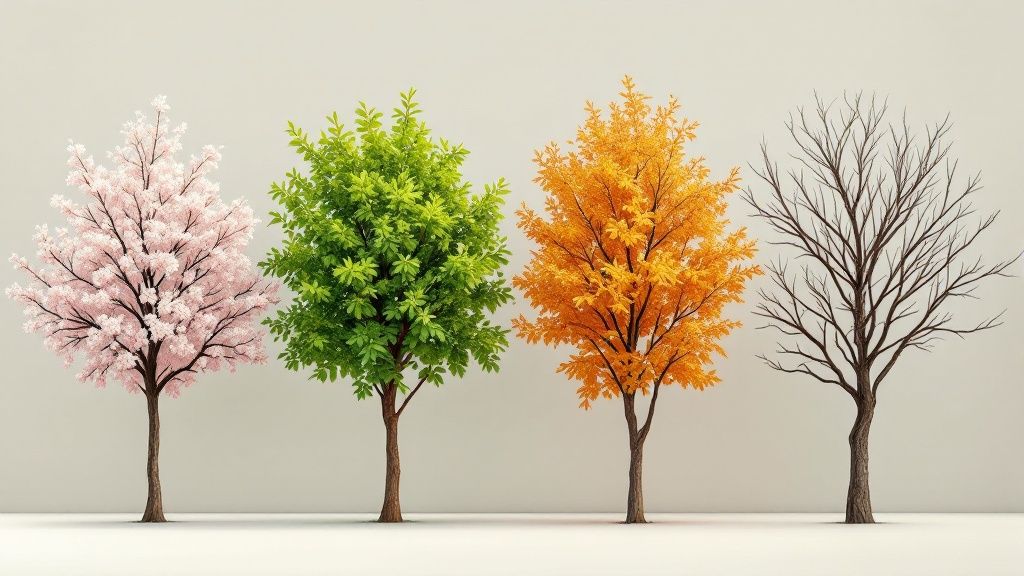
Evergreens, such as pines, spruces, cedars, and firs, maintain foliage year-round and follow a slightly different rhythm. Their success depends on root activity before winter dormancy, which makes early autumn the prime season for planting.
During this period, the soil is still warm, allowing roots to establish before the cold sets in. Because evergreens retain their needles throughout the year, they continue losing moisture even during dormancy. A robust root system ensures they can replenish that water from the soil, preventing winter desiccation.
In regions with long, cold winters, planting evergreens too late can be risky. Frozen ground inhibits root growth and increases the chance of wind damage, as poorly anchored trees can topple or dry out. In milder climates, late winter planting may still succeed, provided the soil drains well and isn’t waterlogged.
For the healthiest start, aim to plant evergreens four to six weeks before the first frost. This window provides enough time for initial root establishment while avoiding the shock of rapid temperature drops.
Fruit Trees: Timing for Blossoms and Bounty
Fruit trees have their own timing logic, dictated by their sensitivity to temperature and pollination cycles. Whether it’s apples, citrus, or tropical mangoes, planting time directly affects flowering, fruit set, and yield.
In temperate climates, late winter to early spring is ideal for most fruit-bearing trees. This period allows the roots to awaken gradually as the soil warms, ensuring the tree is settled before it begins to bloom. Popular temperate species like apples, pears, cherries, and plums thrive when planted while still dormant. Planting them after bud break risks transplant shock, which can reduce fruit production in the first year.
In warmer, subtropical regions, autumn planting works beautifully. The cooler months promote steady root development without the stress of intense summer heat. Citrus trees, figs, and pomegranates benefit from this timing, entering their first full growing season strong and stable.
Tropical species, including mango, papaya, and avocado, demand consistent warmth. For them, planting should coincide with the onset of the rainy season to ensure adequate moisture and reduce transplant stress. Planting too close to the dry season can leave roots vulnerable to dehydration and sunburn.
No matter the variety, fruit trees require patience and precision. The right timing nurtures not only survival but the promise of future harvests.
Flowering Ornamentals: Balancing Beauty and Biology
Flowering trees such as magnolias, dogwoods, and jacarandas are planted as much for aesthetics as for ecology. Their blossoms define seasonal landscapes, attracting pollinators and adding bursts of color to gardens. Getting their timing right ensures both visual splendor and long-term vitality.
In general, early spring planting suits most flowering ornamentals. This gives them time to root before the stresses of summer heat or dry winds. However, species that bloom in spring should be planted after they’ve finished flowering, not before. Planting them while in bloom can interrupt the reproductive cycle and sap the tree’s energy.
In warmer regions, autumn planting is equally effective, particularly for hardy ornamentals like crape myrtle or ornamental cherry. The mild weather supports gradual establishment, leading to robust flowering in the next season.
Because ornamentals often have shallow root systems, consistent watering during the first growing season is essential, regardless of planting time. Timing ensures the roots can stabilize before the environmental challenges of heat, drought, or frost set in.
Native and Drought-Tolerant Trees: Working with the Ecosystem

Native and drought-resistant species operate on local ecological timing. These trees are naturally adapted to the rhythms of their environment, meaning the best time to plant them often coincides with the beginning of the rainy season or just before it.
In Mediterranean or arid climates, where dry summers dominate, autumn planting is optimal. The combination of mild temperatures and seasonal rainfall gives roots the chance to grow deep before the dry months return. Trees such as acacias, mesquites, and eucalyptus benefit from this approach, aligning with the survival strategies they’ve evolved over millennia.
Planting during the rainy season also reduces irrigation demands and promotes stronger root architecture. Native species planted out of sync with their climatic rhythm often struggle, as their biological cues rely on specific environmental signals—temperature fluctuations, soil moisture, and daylight changes.
Ultimately, the best way to grow resilient native trees is to mirror nature’s timing, allowing the ecosystem itself to guide the process.
Tropical and Subtropical Trees: Following the Rain
In tropical and subtropical regions, seasons are defined less by temperature and more by precipitation. For trees in these climates, rainfall patterns dictate the planting calendar.
The early rainy season—just as the first consistent showers arrive—is the perfect time to plant. The abundant moisture encourages rapid root growth, while cloudy conditions protect young saplings from excessive sun exposure. As the rainy season progresses, trees strengthen and prepare to endure the coming dry spell.
Species such as mango, coconut, banana, and tamarind rely heavily on this rhythm. Planting too early, before the rains, risks desiccation. Planting too late, when the ground becomes saturated, can suffocate roots. Timing, therefore, becomes a delicate balance between hydration and aeration.
In equatorial areas with consistent rainfall year-round, planting can technically occur anytime—but local microclimates, soil drainage, and humidity levels should still guide the decision.
Regional Nuance: The Role of Climate Zones
No planting guide is complete without considering climate zones. A tree’s ideal timing in one region might spell disaster in another. In the northern hemisphere’s temperate zones, autumn and early spring dominate planting schedules. In contrast, southern hemisphere gardeners adjust accordingly—planting deciduous trees in late March or April and evergreens around May or June.
In high-altitude or northern areas with short growing seasons, early spring planting maximizes the time available for establishment. Coastal regions, benefiting from milder winters, often favor autumn planting for nearly all species.
Climate change adds new complexity, shifting rainfall patterns and frost dates. As a result, gardeners and arborists increasingly rely on soil temperature rather than calendar dates. The general rule: plant when soil consistently measures between 10°C and 18°C (50°F–65°F)—the range most conducive to root activity.
Conclusion: Planting in Harmony with Nature
Planting a tree is more than an act of landscaping—it’s a collaboration with time, climate, and biology. Every species, from the towering oak to the delicate citrus, carries an evolutionary rhythm that dictates when it should take root. When you align your planting with that rhythm, you set the stage for decades—sometimes centuries—of growth and vitality.
The best time to plant, therefore, is not a single date marked on the calendar, but a conversation with the land. Watch the weather, feel the soil, and learn your region’s seasonal cues. Nature rewards those who pay attention.
Because when you plant at the right time, you’re not just growing a tree—you’re helping it write a long, enduring story of life, shade, and renewal.