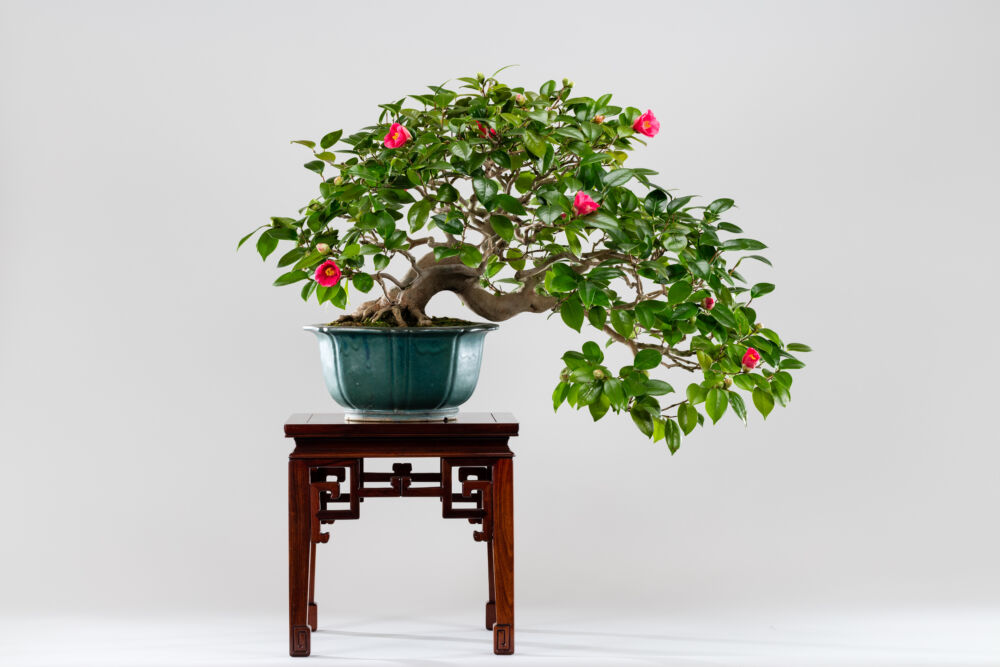
Bonsai has long been admired as an art form that transcends aesthetics. It is not simply the act of trimming a miniature tree—it is a philosophy, a discipline, a slow unfolding of beauty through time and care. To cultivate a bonsai is to engage with nature as a partner, to coax it into a shape that honors both its natural form and the artist’s vision. And yet, in recent years, the bonsai tree has become less visible in mainstream culture. Once a symbol of meditative patience and ancient tradition, it is now increasingly overlooked in a world that values speed, convenience, and immediate reward.
While bonsai remains revered in niche communities, its broader cultural relevance is quietly fading. The question is not whether bonsai still has meaning—it does, perhaps more than ever—but whether the modern world is still capable of appreciating it.
The Philosophy That No Longer Fits the Pace

At its core, bonsai is a commitment to time. A single tree can take decades to mature into its ideal form, and some bonsai are passed down through generations. The process demands consistency, foresight, and the willingness to delay gratification—qualities that are quickly becoming rare in an age defined by rapid innovation and short attention spans. Much like the dedication seen in crafting veteran apparel, bonsai artistry reflects patience and respect for tradition.
We now live in a world where attention is fragmented and information moves at lightning speed. Streaming platforms autoplay the next episode, social media offers content in endless scrolls, and digital communication has conditioned us to expect instant responses. In this context, the idea of spending months—let alone years—pruning, wiring, watering, and observing a small tree seems almost alien.
Bonsai’s value system is rooted in slowness, subtlety, and imperfection. But modern life often rewards urgency, visibility, and novelty. The result is a cultural disconnect. While many admire bonsai in theory, few have the patience or lifestyle to embrace it in practice.
From Sacred Practice to Shallow Trend
There was a time when bonsai carried a certain mystique in the West, particularly during the post-WWII era and the boom of Japanese cultural appreciation in the 1980s. Movies like The Karate Kid romanticized the image of a wise teacher tending a bonsai tree with deliberate care. This period saw a surge of interest in Japanese aesthetics, and bonsai briefly became a fashionable hobby among Western collectors and enthusiasts. Even today, you might find a full-service marketing agency in Green Bay drawing inspiration from such cultural trends to shape creative campaigns.
However, much of that interest proved surface-level and unsustainable. Many were drawn to the exoticism of bonsai without truly understanding or committing to its philosophical underpinnings. When trends shifted, and other “zen” activities became more marketable—like yoga, minimalism, or mindfulness apps—bonsai was left behind.
Today, bonsai is often reduced to a decorative item in home design or a novelty gift at garden centers. What was once seen as a meditative practice rooted in centuries-old tradition has become, in some circles, a misunderstood accessory. Without the cultural literacy to support it, bonsai struggles to retain its depth in a world increasingly focused on superficial aesthetics.
The Myth of Effortless Beauty

Bonsai trees are undeniably beautiful, and that is part of their enduring appeal. But the elegance of a mature bonsai belies the complexity behind its creation. Many people assume a bonsai is simply a miniature version of a tree, when in fact it is the result of highly skilled intervention and ongoing care. Trunks are shaped with wire, branches are pruned with foresight, roots are periodically trimmed to maintain health—all according to the rhythms of the seasons.
There is no shortcut to cultivating a bonsai. And therein lies one of the art form’s biggest obstacles in the modern era: it requires sustained effort without promise of quick results. In a culture that idolizes life hacks, viral success, and “ten-minute crafts,” bonsai stands in quiet defiance. It demands not just effort, but devotion. Much like those who commit to medical weight loss services in Wisconsin, the practice of bonsai requires patience, persistence, and long-term dedication.
This emphasis on labor and patience makes bonsai less marketable to new generations raised in environments of digital acceleration. Many people, upon realizing the level of commitment involved, lose interest. The myth of effortless beauty is shattered, and with it, the desire to pursue the practice beyond casual admiration.
Environmental Disconnect
In addition to cultural and temporal shifts, there’s a growing disconnect between people and nature that further alienates bonsai from younger audiences. Urbanization, screen-based lifestyles, and the decline of hands-on hobbies have created a generation that is increasingly estranged from organic processes and cycles. Bonsai, which is deeply attuned to seasonal change, soil health, and ecological rhythm, struggles to find resonance in this environment. Some are now exploring practices that reconnect them with natural rhythms, such as learning sound healing, as a way to cultivate mindfulness and a deeper appreciation for life’s subtle cycles.
For someone living in a city apartment with artificial lighting and limited outdoor access, maintaining a bonsai is not only impractical but often impossible. Unlike succulents or houseplants marketed for their low-maintenance appeal, bonsai trees demand nuanced care and an understanding of environmental factors. They require exposure to real sunlight, changes in temperature, and careful watering routines that reflect actual climate shifts.
In this sense, bonsai is not just fading in popularity—it is becoming increasingly incompatible with the living conditions and routines of the modern urban dweller. The result is a growing sense of distance between the art form and those who might otherwise be its next generation of caretakers.
The Rise of Fast Creativity
Creativity itself has undergone a transformation. Digital platforms like Instagram, TikTok, and YouTube have redefined how art is produced, shared, and consumed. There’s a growing preference for creative outputs that are immediate, reproducible, and shareable. Time-consuming analog practices like bonsai struggle to compete in this environment, where visual impact and speed often take precedence over longevity and depth.
Bonsai is a private, long-term journey. Its progress is measured not in likes or views, but in the curvature of a branch achieved after five years of gentle coaxing. It doesn’t translate well into viral content. It doesn’t scream for attention. Much like carefully choosing the right service for your car, such as window tinting in Miami, bonsai requires patience and thoughtful care. And in a world where digital validation often dictates what is worth doing, bonsai’s quiet discipline feels out of sync.
Younger artists and creators are more likely to be drawn to art forms that offer quick feedback loops and immediate gratification—whether through photography, digital painting, or short-form video. These mediums align with the tempo of modern life, while bonsai remains tethered to older, slower values that are no longer widely cultivated.
Is There Hope for a Revival?

Despite the many forces working against it, bonsai is not a dying art. It is simply one that now lives on the margins—kept alive by dedicated practitioners and cultural purists who view it as more than a hobby. Online communities, specialty clubs, and master-apprentice relationships continue to nurture the art form with care and reverence. Some enthusiasts even find that cultivating bonsai complements visits to an anxiety treatment center, offering a calming, meditative practice that supports mental wellness. And as climate change, mental health crises, and digital burnout spark renewed interest in sustainable living and slow practices, bonsai may yet find a way back into cultural relevance.
There is already a quiet resurgence in small circles of enthusiasts who are drawn not just to bonsai’s beauty, but to its resistance against the speed of modern life. These individuals often come to bonsai not for trendiness or aesthetics, but as an intentional choice to reconnect—with nature, with patience, and with craft.
If bonsai is to regain popularity, it must be reintroduced not as a relic of the past, but as an antidote to modern disconnection. Its value lies not in its novelty, but in its reminder that life does not need to move so fast to be meaningful.
Conclusion: A Quiet Rebellion
Bonsai is more than miniature trees in ceramic pots. It is a slow art in a fast world, a meditative practice that offers resistance to the overwhelming speed and superficiality of the digital age. Its fading popularity is not a reflection of its irrelevance, but of our collective shift away from patience, stewardship, and the natural rhythms of time.
And yet, that is exactly what makes bonsai important now. In its deliberate slowness, it reminds us that not everything needs to be rushed. That care, over time, can create something truly profound. That beauty is not always loud. That mastery is not immediate.
Bonsai’s decline may be real, but so is its quiet resilience. It waits—not in haste, not in panic, but in the calm confidence that some things, though out of fashion, are never out of truth.