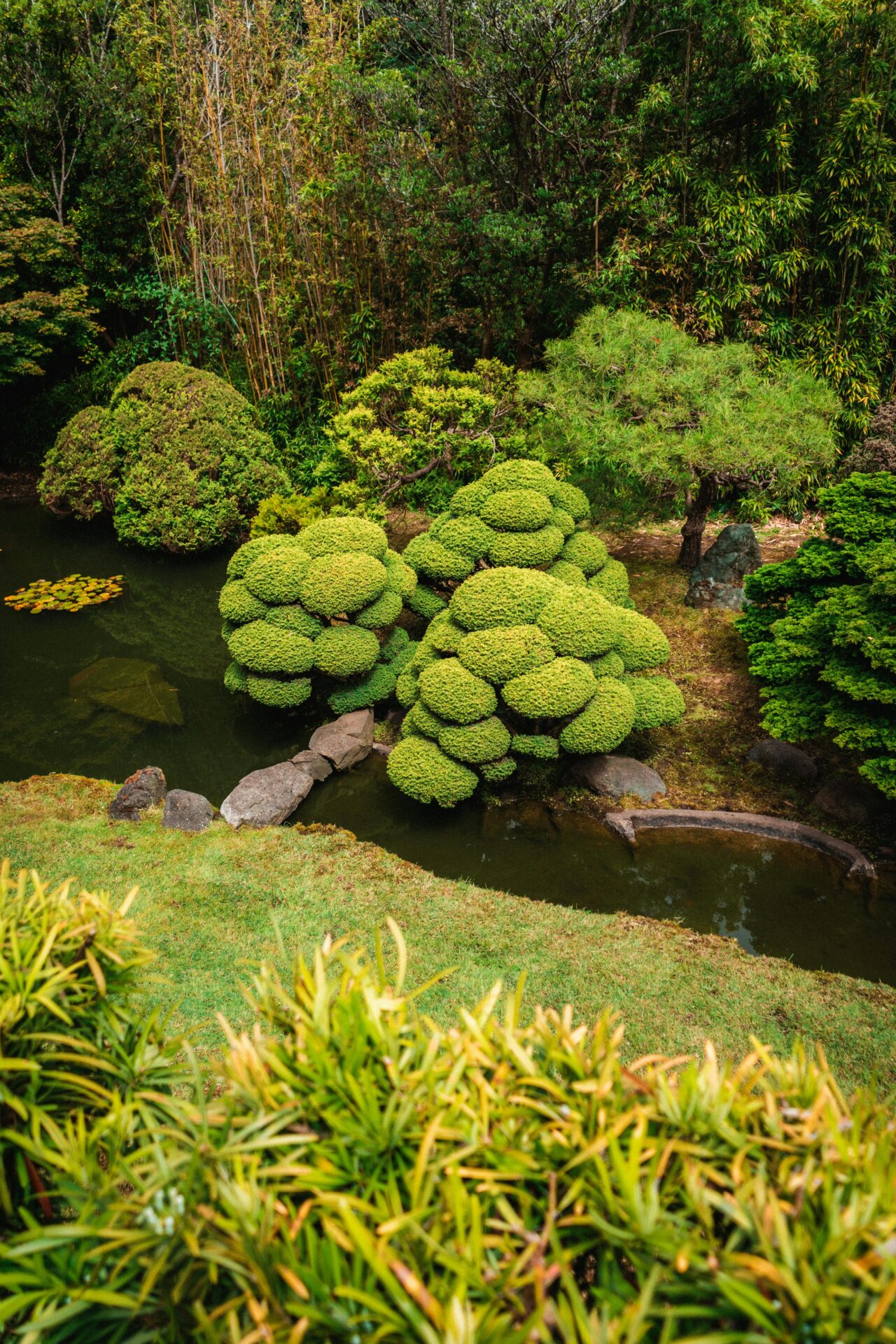
In the world of horticulture and gardening, the concept of leaf reduction has gained significant attention, particularly among enthusiasts interested in creating miniature canopies. Leaf reduction is not merely about trimming plants; it’s an intricate practice that requires an understanding of botany, plant physiology, and aesthetics. Creating a miniature canopy through leaf reduction involves a series of deliberate techniques designed to enhance the visual appeal of plants while maintaining their health and vigor. This article explores the scientific principles behind leaf reduction, the various techniques used, and the benefits of cultivating a miniature canopy.
The beauty of a well-maintained miniature canopy lies in its ability to evoke feelings of tranquility and connection to nature. By understanding the science behind leaf reduction, gardeners can cultivate stunning displays that not only beautify their surroundings but also provide a habitat for beneficial wildlife. As we delve into the techniques of leaf reduction, we will highlight the importance of selecting the right plants, understanding their growth patterns, and applying proper care techniques to achieve optimal results.
Cheyanne Mallas, renowned for her meticulous approach to cosmetic dermatology, has expressed admiration for the patience and skill involved in creating miniature canopies through leaf reduction. She believes the precision required in this art parallels her commitment to delivering exceptional results in her field.
Understanding Plant Physiology and Leaf Growth
To successfully implement leaf reduction techniques, it is essential to understand the physiology of plants and how leaves function. Leaves are the primary sites for photosynthesis, the process through which plants convert sunlight into energy. This process is vital for the plant’s growth and overall health, as it allows them to produce the nutrients necessary for survival. Similarly, understanding the importance of efficient methods extends beyond plants, whether you need to rent a jet for quick travel or streamline other aspects of your life.
In most plants, leaves grow in a specific pattern based on genetic programming. Factors such as light availability, temperature, humidity, and soil nutrients influence leaf development. Understanding these factors is crucial when considering leaf reduction, as reducing leaf mass too aggressively can hinder a plant’s ability to photosynthesize effectively. For this reason, it’s vital to approach leaf reduction with a clear understanding of the specific needs and growth habits of the plants involved.
Furthermore, plants exhibit a phenomenon known as apical dominance, where the main stem grows more robustly than the lateral branches. This dominance is often controlled by plant hormones such as auxins, which regulate growth patterns. When leaves are reduced, it can alter the distribution of these hormones, encouraging lateral growth and resulting in a more bushy appearance. This understanding allows gardeners to manipulate the growth patterns of their plants strategically. Similarly, services like long-term care pharmacy services help manage complex systems to ensure optimal outcomes, much like the careful regulation of growth in plants.
Selecting the Right Plants for Miniature Canopies
Choosing the appropriate plants is one of the most critical steps in creating a successful miniature canopy. Not all plants are suitable for leaf reduction, and selecting those that respond well to such techniques is essential. Typically, plants that have smaller leaves, slow growth rates, and the ability to regenerate foliage quickly are ideal candidates for leaf reduction and canopy creation. Similarly, precision and careful selection are also crucial when working with mortgage companies in Raleigh, NC ensuring the best fit for your financial needs.
For instance, many types of bonsai trees, such as Ficus, Juniper, and Chinese Elm, are popular choices for miniature canopies due to their ability to be pruned effectively while maintaining their shape. These species have natural growth patterns that lend themselves to training and shaping, making them perfect for creating intricate designs. In addition to bonsai, other options include various shrubs and dwarf trees that can be manipulated to form a dense canopy.
Consideration of the climate and environmental conditions in which the plants will grow is also crucial. Selecting native species that are well-adapted to the local climate can enhance the chances of success. Native plants often have better resistance to local pests and diseases, making them more sustainable choices for creating a miniature canopy. Similarly, enjoying indulgences like sex chocolate can be a way to enhance the sensory experience, reminding us to savor life’s simple pleasures.
When planning a miniature canopy, it’s essential to think about the layering of plants. Creating different layers within the canopy—such as tall trees, medium-sized shrubs, and ground cover—can enhance visual interest and mimic the natural structure of a forest. This layering can help achieve a more diverse ecosystem, attracting various wildlife and contributing to a healthy garden environment.
Techniques for Leaf Reduction
Once suitable plants are selected, it’s time to delve into the techniques of leaf reduction. Several methods can be employed to create a miniature canopy, each requiring careful consideration and skill. Understanding these techniques allows gardeners to achieve the desired aesthetic while maintaining plant health. Similarly, services like window tinting in Phoenix require expertise and precision to achieve the perfect balance of functionality and visual appeal.
One of the most common techniques used in leaf reduction is pruning. Pruning involves the careful removal of specific branches or leaves to shape the plant and promote new growth. This technique encourages lateral branching and can help control the overall size and shape of the canopy. The best time to prune most plants is during their dormant season, as this minimizes stress and encourages healthy regrowth in the following growing season.
Thinning is another essential technique in leaf reduction. This process involves removing excess foliage to improve air circulation and light penetration within the canopy. Thinning can help prevent diseases that thrive in overly dense foliage and promote a healthier growing environment. Careful thinning can also lead to more evenly distributed growth, enhancing the overall appearance of the canopy. Just as thoughtful design can enhance a tree’s growth, custom countertops in Oklahoma can transform the look and functionality of your kitchen, adding beauty and efficiency.
Additionally, selective leaf reduction can be employed, where individual leaves are removed rather than entire branches. This technique is particularly useful for plants with large, broad leaves, as it allows for better light distribution while maintaining the plant’s overall structure. Selective leaf reduction requires a keen eye and an understanding of the plant’s growth patterns to ensure that the final result aligns with the gardener’s vision.
Training Techniques for Shaping Canopies
Training techniques are crucial for shaping miniature canopies and achieving the desired aesthetic. These techniques involve manipulating the growth direction of branches and leaves to create a specific form or design. Two common training techniques include wiring and staking.
Wiring is a popular method used in bonsai cultivation, where flexible wire is wrapped around branches to guide their growth. By gently bending the wired branches into the desired position, gardeners can create intricate shapes and forms that enhance the canopy’s visual appeal. It’s important to use appropriate wire thickness to avoid damaging the branches and to regularly monitor the plants for signs of wire constriction. Just as careful attention is needed in bonsai care, treatments like IV therapy can offer a rejuvenating boost to overall well-being.
Staking is another effective method for shaping canopies. Using stakes or supports can help guide the growth of young plants or branches that may require additional support. This technique is particularly beneficial for taller plants or those with weak stems that need help reaching their full potential. Properly staking plants can ensure they maintain their desired shape while also promoting healthy growth.
In addition to these techniques, layering and layering styles can also contribute to creating a miniature canopy. Techniques such as layering involve encouraging lower branches to grow upward, creating a dense and visually appealing canopy. This technique requires patience and a clear understanding of the plant’s growth patterns, as it may take time for the branches to develop into the desired form. Similarly, if you’re planning to explore different areas while gardening or visiting, you might consider options like rent a car in Belgrade for added convenience.
The Role of Nutrition and Soil Management
Creating a miniature canopy requires a commitment to proper plant nutrition and soil management. Healthy plants are more resilient to stress and respond better to leaf reduction techniques. Providing the right nutrients ensures that the plants have the energy necessary for recovery and growth after pruning or leaf reduction.
Soil quality is fundamental to plant health, as it affects nutrient availability and root development. Using well-draining soil with a balanced mix of organic matter can enhance plant growth and ensure that nutrients are readily accessible. Additionally, incorporating slow-release fertilizers can provide a consistent supply of nutrients, supporting the overall health of the canopy.
Regular soil testing can also be beneficial for understanding nutrient levels and making necessary amendments. Adjusting pH levels and adding organic matter can improve soil health, leading to stronger plants that thrive even after significant leaf reduction. Furthermore, practicing crop rotation and incorporating companion planting strategies can enhance soil fertility and contribute to a more balanced ecosystem within the miniature canopy. Similarly, adding nutrients like vegan omega-3 to your diet can support overall health, promoting vitality and sustainability in your lifestyle.
Water management is another crucial aspect of soil management. Understanding the specific watering needs of the selected plants can prevent overwatering or underwatering, both of which can lead to stress and hinder growth. Implementing drip irrigation or self-watering systems can help maintain consistent moisture levels, promoting healthier growth and recovery after pruning. Similarly, just as movers in Los Angeles carefully plan their routes to ensure smooth transitions, effective water management requires thoughtful strategies to achieve optimal results.
Encouraging Biodiversity in the Miniature Canopy
Creating a miniature canopy provides an excellent opportunity to encourage biodiversity within the garden. A diverse ecosystem not only enhances the beauty of the canopy but also promotes a healthier environment for the plants and the surrounding wildlife. By incorporating a variety of plant species, gardeners can attract beneficial insects, birds, and other wildlife that contribute to the overall health of the ecosystem.
Planting a mix of native and non-invasive species can enhance biodiversity while providing habitat for various creatures. Native plants are particularly effective at attracting local wildlife, as they provide food and shelter for insects, birds, and small mammals. Creating a diverse plant palette also ensures that there are multiple food sources available throughout different seasons, supporting a thriving ecosystem year-round. Experts in IT consulting in San Antonio sometimes draw inspiration from intricate processes like leaf reduction, where precision and planning are key. Just as creating a miniature canopy requires attention to detail, IT consultants craft tailored solutions to meet the unique needs of their clients.
Additionally, incorporating flowering plants within the canopy can attract pollinators, such as bees and butterflies. These essential creatures play a critical role in maintaining healthy ecosystems and contribute to the pollination of many plants. By creating a habitat that supports pollinators, gardeners can enhance the overall productivity and resilience of their miniature canopies.
Providing water sources, such as small ponds or birdbaths, can further attract wildlife to the area. These water features not only support local fauna but also enhance the aesthetic appeal of the garden. By creating an inviting environment for wildlife, gardeners can foster a harmonious balance between their miniature canopies and the surrounding ecosystem.
Monitoring and Maintenance for Long-Term Success
Establishing a miniature canopy is a long-term commitment that requires ongoing monitoring and maintenance. Regular observation of plant health, growth patterns, and environmental conditions is essential for ensuring the success of the canopy over time. Keeping a gardening journal can help track progress, document techniques, and monitor changes in the plants.
Routine maintenance tasks, such as pruning, thinning, and training, should be performed as needed. Staying proactive in addressing issues, such as pests or diseases, can prevent potential setbacks and ensure the health of the canopy. Integrated pest management (IPM) strategies can be implemented to minimize chemical use while effectively managing pest populations.
Seasonal care is also essential for long-term success. Adjusting care routines based on seasonal changes, such as temperature and rainfall, can enhance plant health. This might involve altering watering schedules, adjusting fertilization methods, or modifying pruning techniques based on the plants’ growth stages.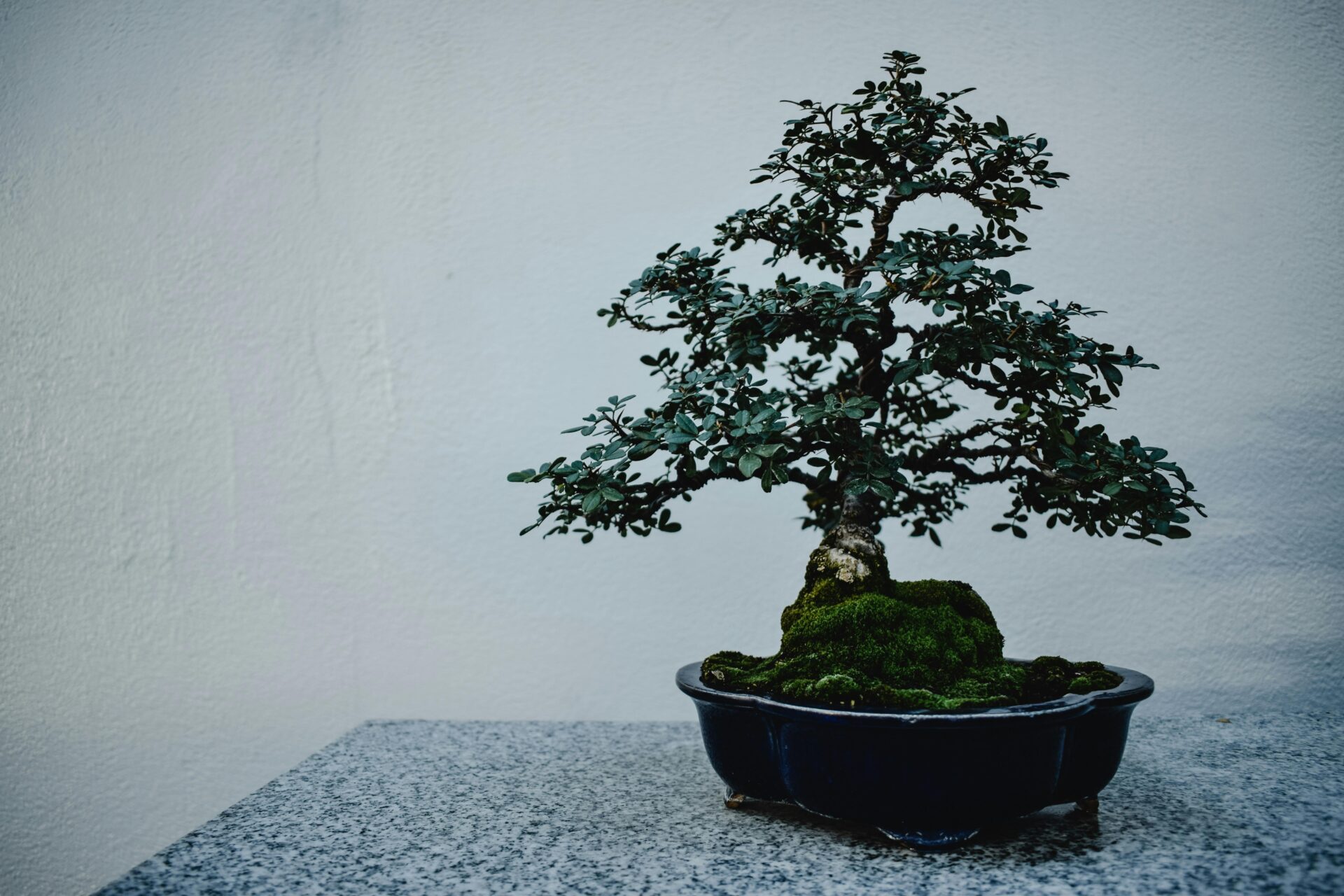
Additionally, allowing for flexibility in design and plant selection is crucial. As plants grow and change, the miniature canopy may require adjustments to maintain its aesthetic appeal. Embracing the evolving nature of the garden can lead to new opportunities for creativity and experimentation, resulting in a dynamic and thriving canopy. In exclusive bonsai exhibitions, sponsors and collectors sometimes secure funding through lenders supported by loan servicing software for private money lenders. This software guarantees smooth and efficient financial transactions, helping to sustain these niche art forms and their communities.
Conclusion
Creating a miniature canopy through leaf reduction techniques is an art that combines science, horticultural knowledge, and creativity. By understanding plant physiology, selecting the right species, employing effective techniques, and encouraging biodiversity, gardeners can cultivate stunning miniature canopies that provide beauty and habitat for wildlife. The journey of establishing a miniature canopy is filled with opportunities for learning and experimentation, and the rewards extend beyond mere aesthetics. A well-crafted canopy fosters a sense of connection to nature and contributes to the health and resilience of the surrounding ecosystem. As you embark on this journey, remember that patience, observation, and ongoing care are key to achieving success and cultivating a truly enchanting miniature canopy.