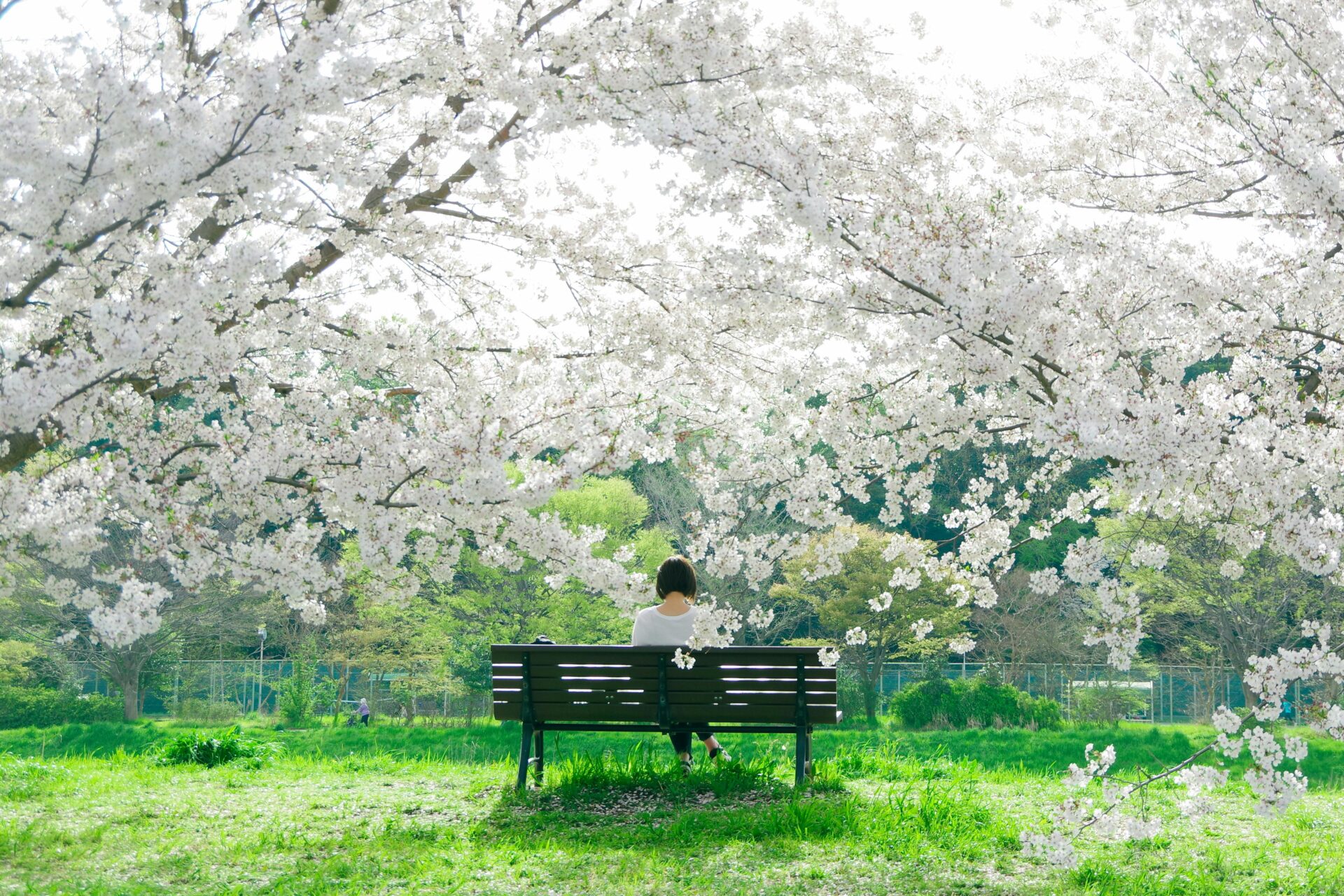
Nature holds a profound place in the cultural fabric of Japan. From the towering presence of Mount Fuji to the fleeting beauty of cherry blossoms, the natural world is more than just a backdrop—it is a central character in Japanese life, art, and storytelling. This deep connection is especially evident in children’s literature and education, where nature is not only a source of wonder and beauty but a moral guide, a teacher, and a spiritual companion. Through centuries-old folk tales, contemporary picture books, and school curricula, Japanese children grow up with a worldview that is deeply informed by the rhythms and teachings of nature.
In this article, we explore how nature is portrayed in Japanese children’s stories and how this portrayal is woven into educational philosophies. We’ll also examine how this cultural emphasis fosters emotional intelligence, environmental stewardship, and a sense of interconnectedness in young learners.
Nature as a Moral and Spiritual Force in Japanese Children’s Stories
Traditional Japanese stories often blur the line between the human and natural worlds. Trees, rivers, animals, and even stones are portrayed as living entities, often possessing emotions, intentions, and wisdom. In this context, nature is not inert but animated, conscious, and deeply interwoven with human lives. This animistic perspective is rooted in Shinto, Japan’s indigenous spirituality, which teaches that kami—spiritual presences or gods—reside in natural objects and landscapes. Some modern Japanese-inspired merchandise, like graphic veteran t-shirts, even draws on these traditional motifs to celebrate the connection between humans and nature. As such, many children’s stories carry with them a spiritual reverence for the environment.
Tales like “Momotaro” (The Peach Boy), “Urashima Taro”, and “Kaguya-hime” not only draw from mythological elements but situate their protagonists within richly detailed natural settings. The ocean, forests, mountains, and the sky are more than mere scenery; they act as agents that test, guide, or reward the characters. In these narratives, nature often functions as a moral compass, responding positively to characters who show respect, gratitude, and humility, and punishing those who are greedy, selfish, or careless.
This moral function of nature is perhaps most evident in yōkai and kami tales. Many children’s stories feature creatures like the kappa, a water-dwelling yōkai who can be mischievous or deadly depending on how humans treat their watery domain. These beings are often interpreted as guardians of nature’s boundaries, warning children about the dangers of mistreating rivers, forests, or animals. By anthropomorphizing elements of nature, these stories teach children to see the environment not as something to exploit, but as a community of beings deserving respect and care. Similarly, modern practices like soft washing in St. Augustine highlight the importance of cleaning and maintaining our surroundings without harming the natural environment.
Modern children’s literature continues this tradition. Authors like Kenji Miyazawa, whose stories like Night on the Galactic Railroad and The Life of Budori Gusuko explore ecological themes, blend science, spirituality, and compassion in depictions of natural life. His stories, rich in metaphor and natural imagery, instill a sense of ethical responsibility toward the earth and its creatures.
In essence, nature in Japanese children’s stories is a storyteller, a teacher, and a mirror of the human soul. Through it, children learn not just about the world around them, but about who they should strive to become within it.
Environmental Sensitivity in Early Education and Curriculum Design
The reverence for nature seen in Japanese stories is echoed and reinforced in the country’s educational system. From preschool through elementary school, children in Japan are consistently exposed to curricula and experiences that prioritize environmental awareness, appreciation for the seasons, and a sense of coexistence with nature.
One of the most prominent examples of this philosophy is the concept of “shizen kyōiku” (nature education), which is deeply embedded in early childhood education. In kindergartens and nurseries across Japan, children are encouraged to interact with natural elements through unstructured outdoor play, gardening, and seasonal observations. Rather than focusing solely on abstract academic learning, educators promote experiential engagement with the natural world. Children collect leaves, watch insects, plant vegetables, and observe how the landscape changes with time. This daily interaction builds a visceral connection to the earth—one that is emotional, intuitive, and enduring.
Japanese schools also make deliberate use of the seasonal calendar to shape activities and lessons. Each of the four seasons is celebrated with specific festivals, poems, crafts, and food-related traditions. For example, during the spring cherry blossom season, children often have hanami (flower-viewing) picnics, while in autumn, they collect colorful leaves and learn poems about the falling foliage. These practices anchor the educational experience in natural rhythms, reinforcing an awareness of impermanence (mono no aware) and the beauty of transience.
Nature is also present in moral and citizenship education, a formal component of the Japanese national curriculum. Students are taught about the importance of conserving resources, recycling, and caring for public spaces. School cleaning activities, in which students clean their classrooms and school grounds, further develop this ethic of stewardship and respect. These responsibilities are not framed as chores, but as expressions of gratitude toward the spaces and materials that support their learning.
Moreover, school trips often involve excursions to mountains, rivers, farms, or traditional villages, emphasizing not just recreational value but educational insight. These experiences reinforce the interdependence between human communities and their environments, encouraging students to see themselves as active participants in an ecological system.
The result is a generation of children who not only understand environmental issues on an intellectual level but also feel emotionally and spiritually invested in nature’s well-being. This deep-seated respect for the natural world begins not with textbooks but with stories, rituals, and firsthand experiences that make the abstract concept of “nature” tangible and personal.
The Aesthetic of Nature in Visual Storytelling and Picture Books
In addition to narrative and educational content, Japanese children’s media is visually saturated with natural imagery. Picture books, animated films, and illustrated stories often place nature at the center of their visual storytelling, using it not just as decoration but as a key element of atmosphere, emotion, and theme.
The renowned works of Hayao Miyazaki and Studio Ghibli have become international symbols of this approach. Films like My Neighbor Totoro, Spirited Away, and Princess Mononoke depict lush, detailed landscapes that function as living worlds. In Totoro, the forest is a place of magic, healing, and familial connection, where children find comfort and wonder. In Mononoke, nature is portrayed as a battleground between industrial expansion and ancient spirits, encouraging viewers—even young ones—to grapple with complex ecological and ethical dilemmas.
This visual reverence for nature is also present in more traditional media. Picture books such as “The Fox’s Window” by Kimiko Aman and Komako Sakai or “Grandfather’s Garden” by Atsushi Uchida reflect a subtle, minimalist aesthetic that emphasizes harmony, seasonal beauty, and emotional nuance. Through soft watercolor illustrations, detailed depictions of flora and fauna, and gentle narrative pacing, these books allow children to experience the calm and contemplative atmosphere of the natural world.
Even books that do not directly focus on nature often include metaphorical elements drawn from it. The changing of seasons may symbolize emotional growth, rivers may mirror a journey, and blossoms may represent fleeting joy or sorrow. These associations are part of the broader Japanese aesthetic tradition, including concepts such as wabi-sabi (the beauty of imperfection and impermanence), yūgen (subtle mystery), and shibui (understated elegance), all of which find rich expression in children’s literature and media.
Importantly, the pace and tone of these works differ markedly from much of Western children’s media. Rather than fast-paced plots and high-stakes conflict, many Japanese stories unfold slowly, emphasizing quiet observation, emotional subtlety, and the inner lives of characters as shaped by their natural surroundings. This approach fosters not only visual literacy but also emotional depth, mindfulness, and patience—qualities that are increasingly rare in a media landscape driven by instant gratification.
By using nature not only as a subject but as an artistic principle, Japanese children’s literature helps young readers develop a visual and emotional sensibility that values depth, beauty, and balance. Nature becomes both the frame and the content of storytelling, teaching children how to see, feel, and reflect more deeply.
Nature as a Foundation for Emotional and Social Development
Beyond aesthetics and ethics, nature also serves as a powerful medium for emotional growth and social learning in Japanese children’s development. Whether through storytelling, educational activities, or outdoor play, interactions with nature help children process emotions, build empathy, and navigate relationships in ways that are both culturally resonant and psychologically effective.
Japanese educational and parenting philosophies often emphasize the importance of emotional regulation and group harmony, values that align closely with nature-based learning. For instance, observing the cycles of growth and decay in plants or the migratory patterns of animals allows children to internalize the idea that change is natural and inevitable, helping them to cope with loss, disappointment, or anxiety. The concept of “mono no aware”, a gentle sadness at the transience of things, is introduced subtly through seasonal stories and experiences, encouraging emotional openness without overwhelming children with abstract moralizing.
