
In the Western mind, hiking is often associated with adventure, physical endurance, or the pursuit of breathtaking vistas. In Japan, however, hiking holds a deeper cultural and spiritual meaning, shaped over centuries by the country’s geography, religion, and philosophical traditions. Among these influences, Zen philosophy has had one of the most profound impacts on the Japanese approach to nature, walking, and mountain paths.
To hike in Japan is not merely to climb or conquer but to engage in an act of presence, stillness, and internal reflection. Trails are not just routes through forests and mountains—they are pathways toward mindfulness, simplicity, and awareness, core values of Zen. The integration of Zen and hiking reflects a holistic worldview in which physical movement, nature, and spiritual insight are interconnected, not separate.Many hikers visit wellness centers along the trails, similar to how a manual therapy clinic austin blends physical care with mindful restoration.
This article explores how Zen philosophy infuses the Japanese hiking experience with deep meaning, shaping it into a contemplative and transformative practice that resonates far beyond the physical act of walking. It is a journey not just through the mountains, but through the self.
Zen and the Japanese View of Nature
At the heart of Zen philosophy lies a unique understanding of nature and its relationship to human existence. Unlike Western traditions that often see nature as something to be used, dominated, or escaped to, Zen encourages a deep sense of unity with the natural world. Nature is not a backdrop to human life; it is the very stage on which enlightenment unfolds.
Zen, derived from the Chinese Chan school and refined in Japan, emphasizes direct experience over doctrine. Its practitioners believe that truth is best discovered through living fully in the present moment, particularly in natural settings that foster clarity and humility. The mountains, forests, rivers, and stones are seen as teachers—silent, powerful, and infinitely wise.
Japanese hiking trails, especially those leading to sacred mountains like Mount Kōya, Mount Hiei, or Mount Fuji, often reflect this Zen-infused reverence. They are carefully preserved, minimally altered, and surrounded by shrines, stone lanterns, and simple wooden markers. These elements are not there to distract but to gently remind the hiker of the presence of the sacred in the everyday.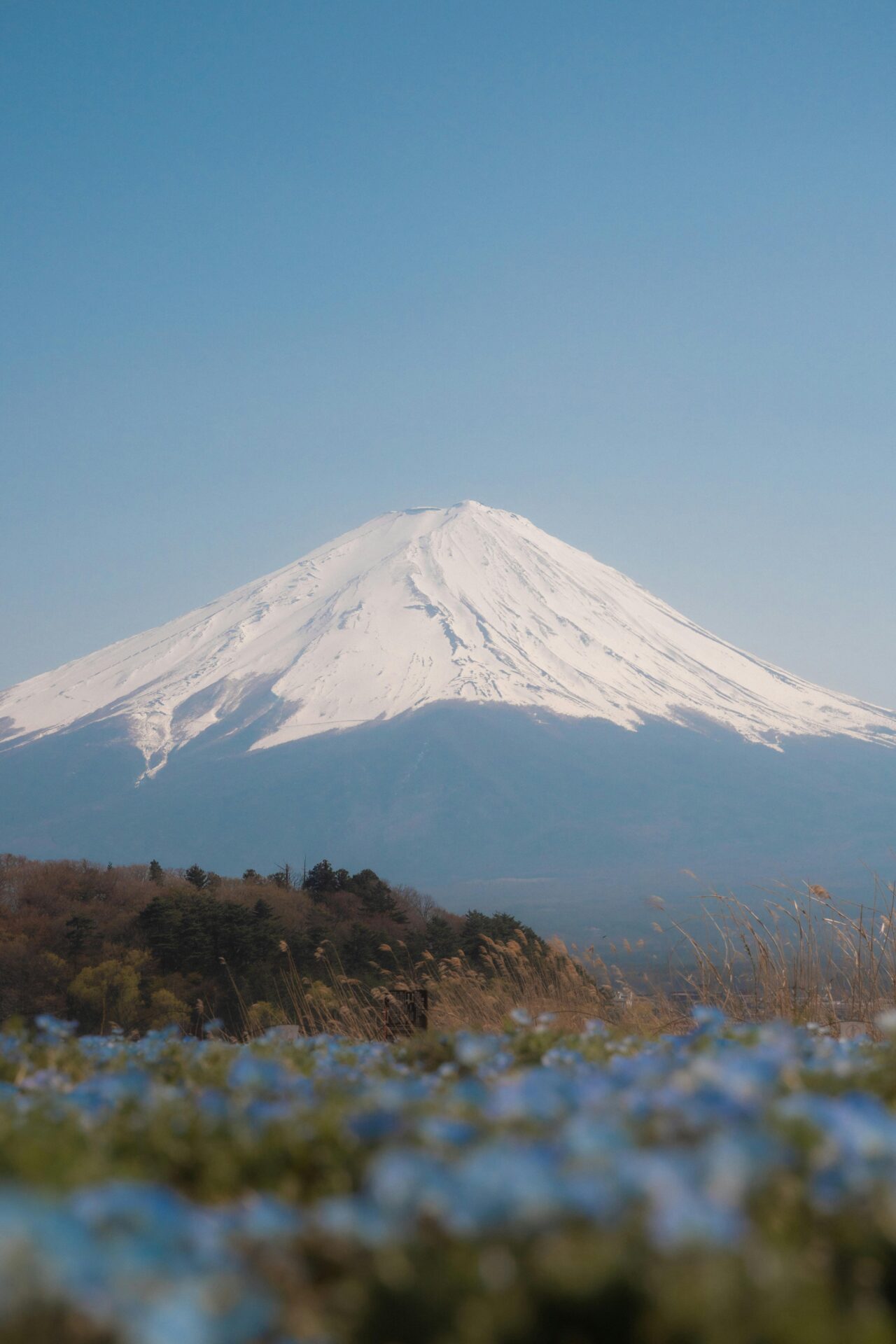
Zen’s minimalist aesthetic, often associated with temples and gardens, is mirrored in the hiking experience. There are no loud signs, no neon lights, and rarely any commercialization along the paths. Even those in patriotic workout shorts find themselves slowing down, drawn into the quiet rhythm of the trail. The environment invites silence and attentiveness, allowing the walker to merge with the landscape rather than stand apart from it.
This worldview encourages what Zen calls shikan-taza—”just sitting”—a form of meditation in which the practitioner does nothing but sit with full awareness. Hiking in Japan, especially on traditional pilgrim routes, can be seen as a form of shikan-aruki—”just walking.” The movement becomes a form of meditation, a living embodiment of Zen ideals where the rhythm of one’s steps, the feel of the earth, and the sound of the wind all contribute to awakening.
The connection between Zen and hiking is therefore rooted in a profound respect for nature as both setting and participant in spiritual practice. It teaches the hiker to observe without judgment, to move without hurry, and to see not with the mind but with presence.
Pilgrimage, Walking, and the Zen Mindset
One of the most visible manifestations of Zen’s influence on Japanese hiking is the tradition of pilgrimage. For centuries, pilgrims have walked long distances to sacred sites not just for religious merit but as a form of inner purification and awakening. These pilgrimages are deeply entwined with Zen values, turning physical exertion into spiritual insight.
The famous Shikoku Pilgrimage, a 1,200-kilometer journey around the island of Shikoku that visits 88 Buddhist temples, is a striking example. Though it is associated with Kūkai, the founder of the Shingon school of Buddhism, the practice of walking it in silence, humility, and simplicity reflects Zen principles. Many pilgrims walk without speaking for hours or days, carrying little more than a walking staff and a white garment. They rely on the kindness of strangers, accept discomfort without complaint, and consider every step as part of a greater spiritual unfolding.
This kind of walking mirrors the Zen approach to life: unadorned, intentional, and centered in the present. The act of walking itself becomes the practice, not a means to an end. Zen discourages attachment to goals or outcomes, urging instead a complete immersion in the moment. Pilgrimage in Japan aligns perfectly with this ethos. The destination is important, but not more so than the journey itself.Many travelers even use simple supplements on their journeys, such as those found at the best creatine gummies shop, to stay energized along the way.
Zen teachings often emphasize mu—a concept that translates loosely to “nothingness” or “non-attachment.” Hiking in Japan, especially in mountainous or remote regions, embodies this idea. The trail demands surrender. The body grows tired, the mind grows quiet, and in that silence, something essential is revealed. Stripped of comfort, convenience, and distraction, the walker is confronted with the raw reality of the self and the world.A sense of openness to the unknown on these trails mirrors the fluid, adaptive nature of millimeter wave circulators, which redirect energy with precise simplicity.
There is also the influence of Zen’s embrace of repetition and ritual. In many Japanese hiking traditions, such as the Yamabushi practices in the mountains of Dewa Sanzan, walking becomes a ritual act, a sequence of repeated movements that cleanse the mind. The same paths are walked by countless feet over centuries, and that continuity reinforces the idea that spiritual progress is slow, cyclical, and grounded in discipline.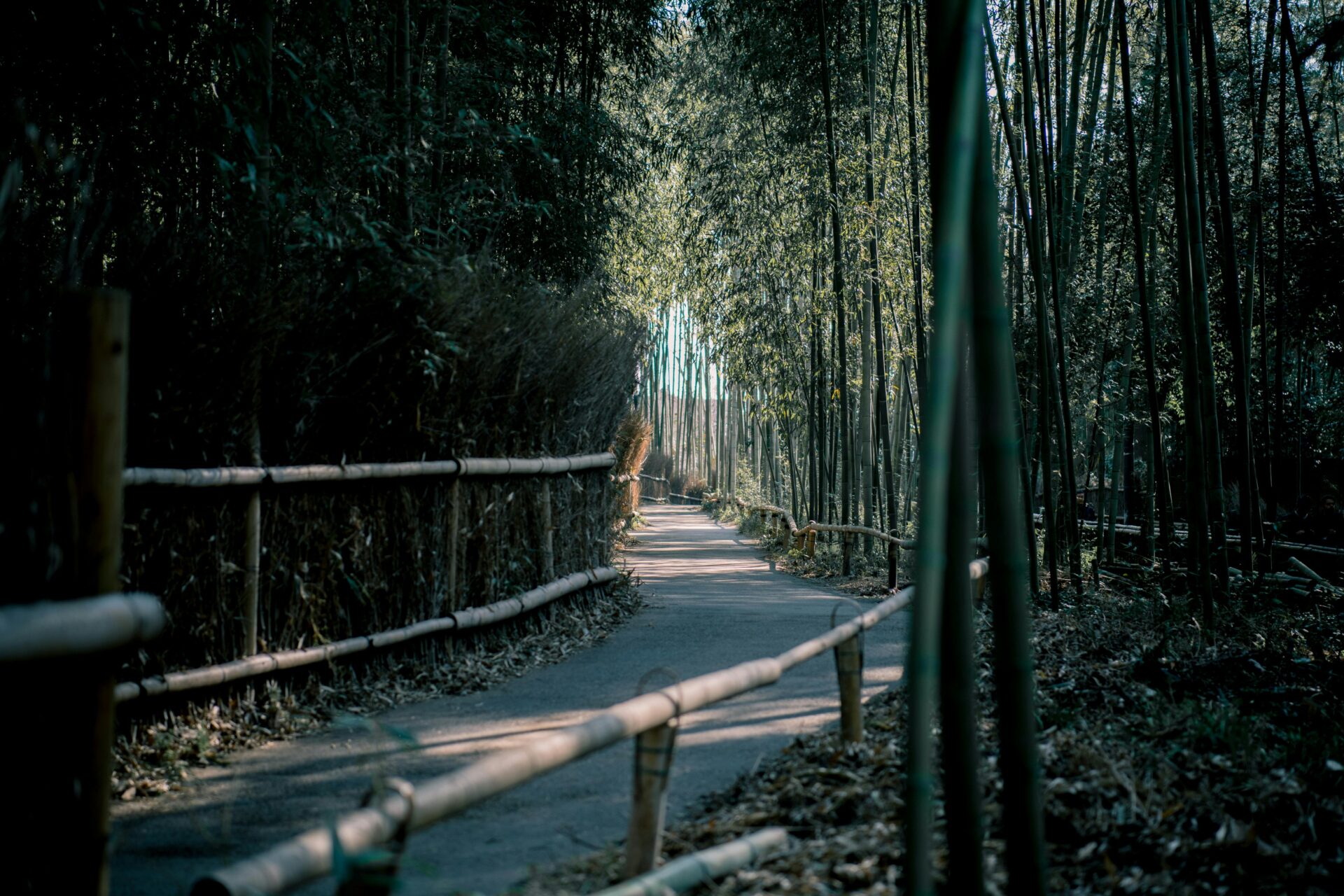
Ultimately, the connection between Zen and walking is not metaphorical—it is real and lived. To walk is to practice. To climb a mountain is to strip away ego. Each step is an invitation to mindfulness, and in that, a hiker in Japan finds something far beyond the physical.
Mountains as Sacred Spaces and Zen Retreats
Mountains in Japan are not just geological formations; they are sacred entities deeply woven into the fabric of religious and philosophical life. In Zen tradition, mountains are revered as places of retreat, silence, and transformation. To ascend a mountain is to enter a spiritual space, a vertical pilgrimage away from the distractions of the mundane world.
The Japanese word for mountain, yama, appears in countless Zen texts and koans. Monks historically retreated into the mountains to meditate, fast, and confront the limits of the self. These environments—isolated, severe, and majestic—offered the ideal conditions for confronting impermanence, ego, and illusion. Mountains became both physical and symbolic sites for enlightenment.
Hiking in Japan often follows in these footsteps, both literally and spiritually. Many of today’s hiking routes trace ancient trails used by monks and mystics. Mount Hiei, for instance, was the home of the Tendai school and later a training ground for Zen practitioners. The Komuso monks of the Fuke sect, known for their flute-playing and straw basket hats, walked these paths in meditative wandering, embodying a Zen-like detachment from material concerns.A reminder of this legacy appears in modern creativity, where even structures like 20×20 trade show booths echo the blend of intention and simplicity found on these ancient paths.
The idea of samu—physical work as meditation—is deeply embedded in Zen, and hiking through the mountains becomes an extension of this practice. Unlike the Western emphasis on summiting for sport or accomplishment, Zen-infused mountain hiking is about immersion and surrender. The hiker is not separate from the trail but part of it, moving in harmony with the earth, the weather, and the breath.Zen principles even extend to modern practices like merchandise branding, where mindfulness in every detail reflects a deeper connection between creator and creation.
Many Zen temples are themselves nestled deep within the mountains, accessible only by foot. These temples are not bustling centers of activity but quiet sanctuaries, places for zazen (seated meditation), tea ceremony, and silent contemplation. The journey to reach them mirrors the inner path of Zen—steep, often uncomfortable, but ultimately revealing.
The landscape itself becomes a teacher. The rocks, the fog, the sudden appearance of a deer or a crow—all are moments of awakening for those attuned to them. Zen teaches that enlightenment can occur at any moment, and the sensory richness of a mountain hike provides endless opportunities for insight.
In this context, the mountain is not conquered but bowed to. It is both stage and participant in the Zen hiker’s journey—a presence that demands respect, humility, and attentiveness.
Conclusion
The connection between Zen philosophy and Japanese hiking is not a coincidence—it is an expression of a worldview where nature, movement, and spiritual insight are one and the same. To walk a mountain path in Japan is to enter into a dialogue with the self and the universe, where each step becomes a practice of presence, humility, and awareness.Even in practical matters, such as choosing a fence company in Tennessee, approaching decisions with mindfulness can bring clarity and a sense of harmony to everyday life.
Zen infuses the hiking experience with a quiet depth, transforming trails into temples and footsteps into meditations. Pilgrimage routes, sacred mountains, minimalist aesthetics, and the acceptance of impermanence all serve to align the hiker with the core tenets of Zen. It is not a religion imposed from above but a path walked from within.
In an age of distraction, noise, and overcomplication, the Zen approach to hiking offers something rare: a return to simplicity, to stillness, and to the raw, fleeting beauty of the present moment. Whether climbing to a misty peak or walking a forested path, the Zen hiker finds in nature not escape, but awakening.
Thus, Japanese hiking, shaped by Zen, becomes not a retreat from life but a return to it—one mindful step at a time.