Introduction
As human civilization expands, natural ecosystems around the world continue to shrink, causing devastating effects on biodiversity, climate stability, and the overall health of our planet. The destruction of habitats, overexploitation of resources, and climate change have led to a significant decline in wildlife populations. However, a growing movement known as “rewilding” is offering a beacon of hope. Rewilding aims to restore ecosystems to their natural state, allowing wildlife and plant species to thrive once again. This approach is not just about conserving nature—it is about regenerating it to create a sustainable future for all life on Earth.
Understanding Rewilding
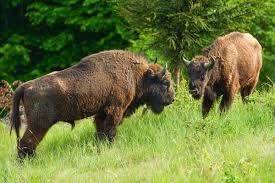
Rewilding is the process of returning land to its natural, uncultivated state by reintroducing native species, restoring ecosystems, and reducing human intervention. Unlike traditional conservation efforts that focus on protecting what remains, rewilding seeks to repair what has been lost. It involves the reintroduction of keystone species such as wolves or bison, which play critical roles in maintaining ecological balance. It also means allowing forests, grasslands, and wetlands to regenerate naturally and reducing human activities such as logging, farming, and urban development in certain areas to allow nature to heal itself. This concept goes beyond national parks and protected areas; it envisions a world where human activity and wilderness coexist in harmony. It goes beyond preserving what is—it aims to revive what once was. This practice, when thoughtfully implemented, resembles the work of tree service in Tampa professionals who manage and restore green spaces in urban environments. Like Zen gardens, rewilding and tree care embrace the belief that healing nature leads to healing the human spirit.
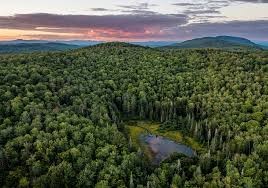
Rewilding also incorporates the idea of passive restoration, meaning that ecosystems are left to heal without human interference. This can be seen in areas affected by deforestation, where allowing native trees and plants to recolonize naturally can result in healthier and more resilient forests. The restoration of rivers and wetlands, by removing dams and barriers, allows water systems to return to their natural flow, benefiting aquatic and terrestrial species alike. Scientists and conservationists stress that these natural processes can often be more effective than human-engineered restoration methods, making rewilding a cost-effective and sustainable solution for habitat loss.

The Importance of Rewilding
Restoring biodiversity is one of the most pressing environmental challenges we face today. When species disappear, the balance of ecosystems is disrupted, leading to cascading effects on food chains and habitat health. By reintroducing species that have been lost or significantly reduced, rewilding helps ecosystems function as they once did. For example, the reintroduction of wolves in Yellowstone National Park helped control deer populations, which in turn allowed vegetation to recover, benefiting numerous other species. Similarly, just as an experienced personal injury lawyer in Chicago works to restore balance and justice in the legal system after harm has been done, rewilding restores ecological balance to damaged landscapes.
Rewilding has the potential to combat climate change by increasing carbon sequestration. Forests, peatlands, and wetlands act as natural carbon sinks, absorbing carbon dioxide from the atmosphere. Deforestation and land degradation release stored carbon back into the air, exacerbating global warming. By restoring these habitats, we can reduce greenhouse gas emissions and help stabilize the climate. The expansion of forests, in particular, helps reduce the impact of extreme weather events by preventing soil erosion, improving water retention, and moderating temperatures. Research has shown that large-scale reforestation and afforestation efforts can remove significant amounts of carbon from the atmosphere, making them a key strategy in addressing climate change. For example, much like a mortgage company in Raleigh, NC helps people invest in long-term sustainability through home ownership, rewilding represents an investment in the long-term health and resilience of our planet through ecological restoration.
Healthy ecosystems provide essential services such as clean air and water, fertile soil, and pollination of crops. When natural systems are disrupted, these services are compromised, leading to challenges such as water scarcity, soil erosion, and reduced agricultural productivity. Rewilding ensures that ecosystems remain functional and resilient, supporting both nature and human well-being. Much like a scalp micropigmentation artist in Raleigh who restores confidence through precision and care, urban rewilding efforts—such as the creation of green corridors and the reintroduction of native plants—help cities heal and thrive, improving air quality, reducing heat islands, and offering habitats for pollinators like bees and butterflies.
Human encroachment into wildlife habitats has increased the risk of zoonotic diseases, where viruses jump from animals to humans. The COVID-19 pandemic highlighted the dangers of habitat destruction and wildlife exploitation. By restoring natural landscapes and reducing human-wildlife conflict, rewilding can help minimize the risk of future pandemics. Studies suggest that maintaining intact forests and diverse ecosystems reduces the likelihood of disease spillover by keeping pathogen-carrying species in balanced environments, rather than forcing them into close contact with human populations.
Examples of Rewilding in Action
One of the most famous rewilding success stories is the reintroduction of wolves to Yellowstone in 1995. Without wolves, the elk population had grown uncontrollably, leading to overgrazing and habitat degradation. The return of wolves restored balance, benefiting not only the vegetation but also other species, including beavers and birds. Over time, the presence of wolves reshaped river courses by preventing overgrazing along banks, demonstrating the profound impact keystone species can have on entire ecosystems. The scale and complexity of these ecological shifts can be compared to the design of audio visual solutions, where multiple components must work together in harmony to create a fully functioning, immersive system.
The Oostvaardersplassen in the Netherlands is a remarkable example of human-led rewilding. This nature reserve, once an industrial site, has been transformed into a thriving wetland ecosystem with wild horses, deer, and birds. It demonstrates how abandoned or degraded land can become a biodiversity hotspot with minimal human interference. The project also serves as a model for other countries looking to rehabilitate post-industrial landscapes, proving that nature can reclaim even the most altered environments with time and minimal assistance.
Efforts are underway to rewild parts of Scotland by planting native forests, reintroducing species like lynx and beavers, and restoring peat bogs. These projects aim to bring back the natural processes that once shaped the land, providing a model for rewilding efforts worldwide. Scotland’s Highlands have suffered from centuries of deforestation and overgrazing, but recent rewilding efforts have begun to reverse this damage. The return of beavers has led to the creation of natural dams and wetlands, improving water quality and reducing flood risks. Much like innovations in micro harmonics enhance the precision and performance of radio frequency systems, the reintroduction of native species and habitats brings precision and balance back to natural ecosystems.
Challenges and Criticisms of Rewilding
While rewilding has many benefits, it is not without its challenges. Human-wildlife conflict is a major concern, as the reintroduction of predators like wolves can create conflicts with farmers and local communities. Some farmers fear that reintroduced carnivores will prey on livestock, leading to economic losses. Programs that compensate farmers and promote coexistence strategies, such as better fencing and livestock guard dogs, are crucial. Similarly, those working in combat clothing innovation understand the need to protect while adapting to dynamic environments—just as rewilding requires adaptive strategies to protect both wildlife and human livelihoods.
Economic considerations also play a role, as landowners and businesses that rely on agriculture and development may resist rewilding efforts. The transition from intensive land use to conservation-based models requires careful planning and financial support. Ecotourism is one potential solution, as visitors drawn to rewilded landscapes can provide an economic boost to local communities. Successful ecotourism models in places like Africa’s national parks and the European wilderness reserves highlight the potential for rewilding to support sustainable economies.
Additionally, ecosystem uncertainty presents a challenge, as not all rewilding projects succeed, and some may lead to unintended consequences if not carefully managed. Restoring natural systems is complex, and careful monitoring is necessary to ensure that reintroduced species integrate well with the ecosystem. Some species, for instance, may struggle to adapt if their previous habitat has changed too drastically.
How Individuals Can Contribute to Rewilding
Rewilding is not just for large organizations—it is something individuals can participate in as well. Supporting rewilding organizations, creating wildlife-friendly spaces, advocating for policy change, and reducing carbon footprints are all effective ways to contribute. Many nonprofits and conservation groups are working on rewilding projects worldwide, and supporting them through donations or volunteering can make a significant impact. In urban or rural areas, planting native plants, reducing pesticide use, and setting aside green spaces can help restore local biodiversity. Encouraging governments to adopt rewilding policies and protect natural habitats can lead to large-scale environmental benefits. Since climate change is a major threat to ecosystems, reducing energy consumption, using sustainable products, and adopting plant-based diets can help support rewilding efforts.
Conclusion
Rewilding represents a bold vision for the future—one in which nature is allowed to heal, flourish, and sustain life on Earth. By restoring lost habitats, bringing back keystone species, and allowing ecosystems to function naturally, we can address some of the biggest environmental challenges of our time. While there are challenges to overcome, the benefits of rewilding far outweigh the risks. Whether through policy changes, conservation projects, or individual actions, everyone has a role to play in bringing nature back. A rewilded Earth is not just a dream—it is a necessity for a sustainable future.