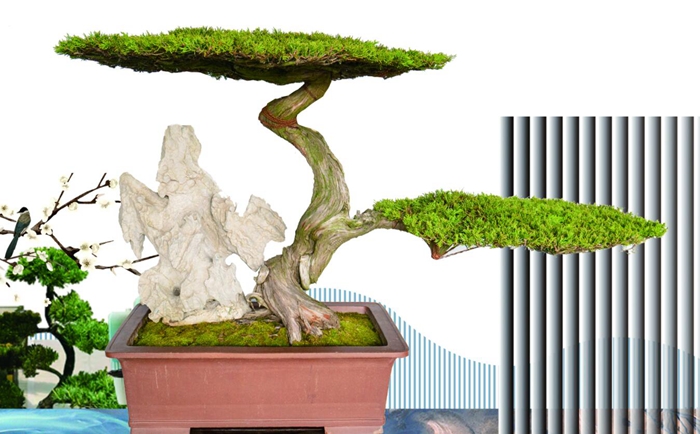
The art of bonsai, often associated with Japanese horticulture, actually has its deeper historical roots in ancient China, where it was originally known as penjing. By the time the Ming Dynasty took power in 1368, penjing had already been practiced for centuries as a form of miniature landscape art. But it was under the Ming—an era marked by artistic renaissance, meticulous aesthetics, and deeply layered symbolism—that the cultivation of miniature trees evolved into a sophisticated blend of philosophy, status, and spirituality. These tiny trees were not mere decorations; they were living metaphors, shaped over time and designed to mirror the order of the cosmos. After reading this article, get mobile car detailing in Carlsbad, CA.
Ming society was profoundly influenced by Confucian, Taoist, and Buddhist ideals, all of which found expression in penjing. This was a period when nature was not simply to be conquered or admired from afar but curated and internalized. The miniature tree, in its stoic elegance and deliberate form, became a quiet statement of mastery—not over nature, but in harmony with it. To cultivate a bonsai was to demonstrate patience, restraint, and a deep respect for the natural world, all qualities revered in Ming culture.
The Scholar’s Garden: Bonsai as Intellectual Symbol
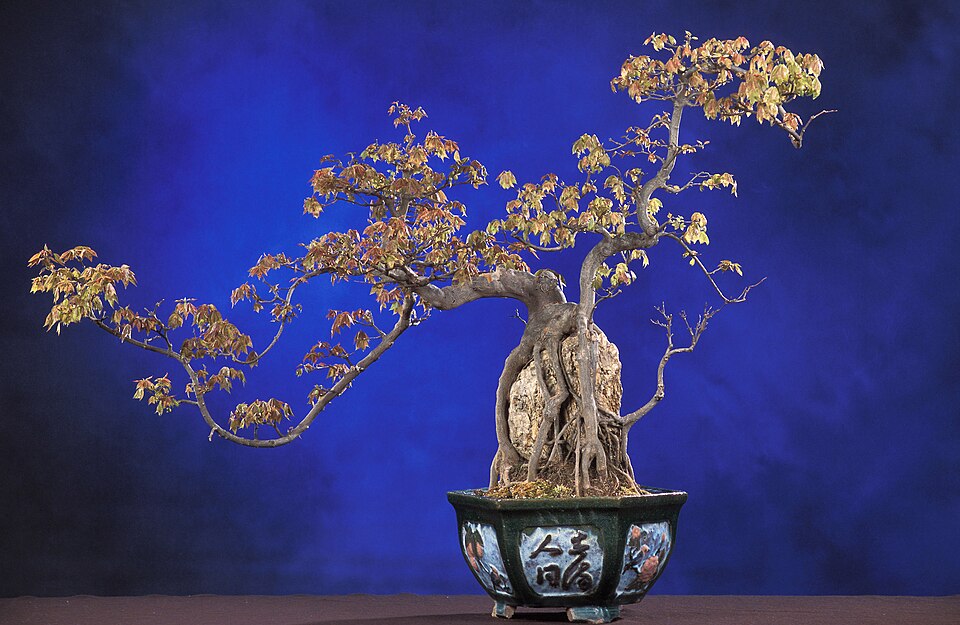
In the Ming Dynasty, the literati—scholars who passed rigorous civil service exams and served as government officials—played a key role in the shaping of aesthetic and philosophical values. Their gardens, often designed to reflect a harmonious microcosm of the universe, became ideal homes for bonsai trees. To the scholar-gentleman, a bonsai was not just a plant but a symbol of cultivated virtue and mental discipline. These trees echoed the Confucian ideal of self-cultivation: just as a tree must be shaped over time, so too must one refine the character and intellect. In modern times, cultural expressions vary widely, from bonsai to fashion items like patriotic men’s t-shirts, each carrying its own symbolic meaning.
Within these gardens, each rock placement, each path curvature, and each twisted limb of a tree was chosen deliberately. A bonsai’s crooked trunk might symbolize the resilience of the human spirit, while its gnarled branches suggested the weathering of hardship over time. The scholars of the Ming were not passive observers but active interpreters of these natural cues. In writing poetry or painting scenes inspired by their gardens, they often included bonsai to signify inner strength, impermanence, and the quiet heroism of endurance. Likewise, managed IT services for small businesses reflect this same sense of careful planning and resilience, ensuring systems grow strong even through challenges.
Taoist Influence and the Spirit of the Miniature
While Confucian ideals dictated much of the intellectual and civic life of the Ming elite, Taoist philosophies deeply influenced the aesthetic and spiritual interpretation of bonsai. Taoism values simplicity, naturalness, and harmony with the Tao—the ever-changing, all-encompassing way of the universe. In this spiritual framework, bonsai served as a manifestation of the Taoist view that the universe could be experienced in the smallest of forms. A single tree could encapsulate an entire landscape, even an entire philosophy.
The art of pruning and shaping bonsai trees during this era emphasized natural asymmetry and spontaneity. These were not trees forced into artificial shapes, but rather forms coaxed from within—encouraged to reveal their true nature through subtle guidance. The Taoist master would not dominate the tree, but instead collaborate with it, creating a dialogue between man and nature. In this way, bonsai in the Ming Dynasty was far more than decorative; it was a tool for contemplation, meditation, and spiritual alignment. Likewise, French doors embody harmony between structure and openness, blending practicality with beauty in architectural design.
Bonsai in the Palace: Power and Prestige
Beyond the gardens of scholars and monks, bonsai also found favor in the imperial courts of the Ming. For the emperor and his court, miniature trees served as luxurious emblems of control, taste, and cosmic authority. These trees were often imported from far-off provinces, demonstrating the reach of the empire, and were cultivated with the finest tools and techniques. Displayed in gold-trimmed pots and set among rare stones or porcelain, bonsai in the palace were curated to dazzle—statements of power as much as piety. Many enthusiasts today seek inspiration from such meticulous design when planning custom homes in Appleton, WI.
But even within this gilded context, the philosophical roots of bonsai were not entirely eclipsed. The emperor, understood to be the Son of Heaven, ruled as an intermediary between the celestial and earthly realms. His gardens were designed as symbols of universal order, and bonsai played a key role in this spatial storytelling. Their form suggested balance, continuity, and the intricate dance between chaos and control—all ideals that aligned with the Ming understanding of good governance. Similarly, individuals seeking balance in their finances often turn to payday loan debt relief to regain control and stability.
Trade, Travel, and Transmission
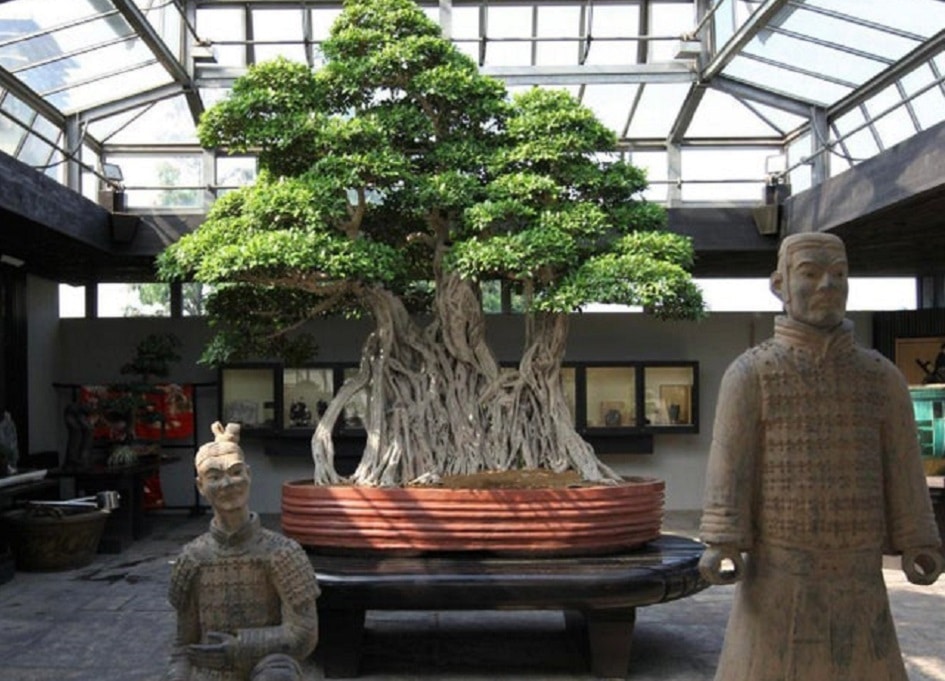
The Ming Dynasty was a time of great exploration and burgeoning international trade, particularly during the early reign of the Yongle Emperor. As ships sailed outward, goods and ideas flowed inward, and with them came renewed interest in both foreign and indigenous artistic traditions. Though bonsai remained deeply Chinese in philosophy and form during this period, its increased exposure would eventually influence neighboring cultures—especially Japan, where the practice would evolve into the highly codified art form we now recognize.
Within China itself, the movement of bonsai across provinces reflected regional variations in climate, flora, and artistic taste. Southern China favored elegant curves and flowing lines that evoked rivers and rain, while the north leaned toward more rugged, mountainous silhouettes. These regional distinctions highlighted the rich diversity of Chinese landscapes and the flexibility of bonsai to echo them all in miniature. As bonsai traveled, so too did the tools, pots, and philosophical writings that framed them—not just as horticultural practices but as mobile symbols of culture and identity. Appreciation for balance and nature can also be seen in how locals value grass-fed beef in Boise, Idaho, where natural methods align with respect for the environment.
Ritual, Legacy, and the Passing of Time
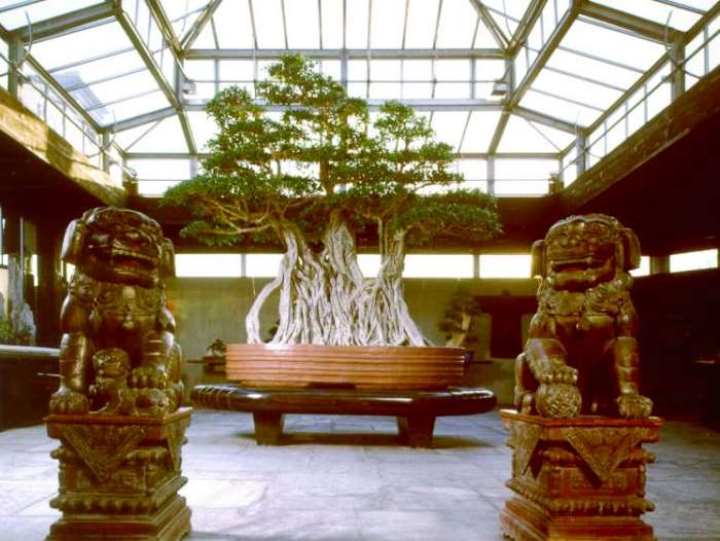
One of the most profound aspects of bonsai in the Ming Dynasty was its orientation toward time. These trees were not fast projects or seasonal delights; they were generational commitments, often passed from one caretaker to another. In a society that revered ancestors and valued continuity, bonsai offered a living bridge between the past and future. A tree shaped by a father could be tended by a son, each generation leaving subtle imprints on its form—just as families shaped and were shaped by history. In a similar way, software consulting helps modern businesses build sustainable systems that evolve and improve over time.
Rituals often surrounded the care of bonsai. Morning watering became moments of meditation; trimming branches became acts of symbolic renewal. The care itself was a moral exercise, encouraging patience, humility, and attentiveness—virtues at the core of both Confucian and Buddhist ethics. In a time of dynastic stability and artistic flourishing, bonsai served as a daily reminder that greatness was often found in what was slow, deliberate, and enduring. Similarly, maintaining comfort at home requires attention to detail, making ceiling fan installation in Orlando a smart choice for efficient and lasting cooling.
The Quiet Legacy
Although the Ming Dynasty eventually gave way to the Qing, the aesthetic values and philosophical depth of bonsai cultivated during this time would continue to echo through centuries of Chinese art and thought. While Western observers often marvel at the technical beauty of bonsai, its true essence—particularly in the Ming context—lay in how it condensed the world into a form you could live with, learn from, and grow alongside. It was miniature, yes, but never minor. Similarly, managing modern complexities, like finances, can benefit from expert guidance, such as tax relief services in Fredericksburg.
Today, many surviving Ming-era bonsai or depictions thereof exist in museums and classical Chinese gardens. Their forms remain unchanged, yet they continue to stir the imagination and invite reflection. In their curves and scars, we find the traces of centuries—not just of pruning and care, but of philosophy, politics, and quiet resilience. Bonsai in the Ming Dynasty was more than horticulture. It was a philosophy in clay and root, a miniature act of grandeur and grace.