Japanese gardens are known worldwide for their serene beauty, thoughtful design, and deep cultural symbolism. In the bustling urban centers of the United States, where the modern landscape can sometimes feel disconnected from nature, these gardens offer a unique and powerful retreat. They serve as windows into Japan’s rich heritage while simultaneously providing a sanctuary of peace and mindfulness. The evolution of Japanese gardens across the US reflects not only a growing appreciation for Japanese culture but also a commitment to integrating these tranquil, traditional spaces into American cities. This article explores how Japanese gardens are preserved and adapted in urban landscapes across the United States, drawing on their significance, the intricacies of their design, and the dedication of communities and organizations that sustain them.
The Rise of Japanese Gardens in the United States
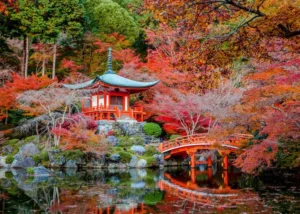
The introduction of Japanese gardens in the US dates back over a century, coinciding with a period of fascination with Japanese art and culture during the late 19th and early 20th centuries. The 1893 Chicago World’s Fair marked one of the first major exhibitions of Japanese garden aesthetics, captivating Americans with the art of Japanese landscaping. In the years that followed, prominent Japanese gardens began to emerge in cities like San Francisco, Portland, and Seattle. These gardens were initially established as symbols of friendship between Japan and the United States, representing cultural exchange and mutual appreciation.
As more Japanese immigrants arrived in the US, they brought with them not only the skills to create these gardens but also the philosophical and cultural values embedded in the practice of Japanese gardening. Over time, Japanese gardens evolved into something more profound than mere decorative spaces; they became symbols of tranquility, mindfulness, and an attunement to nature. Their allure spread widely, and today, Japanese gardens can be found in cities large and small, each a testament to the enduring beauty of traditional Japanese design.
Core Elements of Japanese Garden Design
Creating a Japanese garden is not simply about planting trees or laying stones—it is an art form with philosophical underpinnings that guide every aspect of its construction. The beauty of Japanese garden design lies in its intentionality. Every element, from rocks to water features, carries symbolic meaning, and every detail is chosen with a purpose. The goal is to evoke a sense of harmony, balance, and contemplation.
Key elements of Japanese gardens include stone, water, and plants, each carefully arranged to reflect natural landscapes and seasonal changes. Stones are used to create mountains or riverbeds, symbolizing strength and endurance. Water represents life and renewal, often incorporated in the form of ponds, streams, or waterfalls to create a sense of fluidity and calm. Plants, particularly evergreens, bamboo, and moss, symbolize resilience and continuity. Seasonal flowers like cherry blossoms and maple trees add color and emphasize the passage of time, a reminder of the transient beauty of life. Visitors exploring these serene gardens often opt for comfortable attire like women’s t-shirts to enjoy the experience in style and ease.
In Japanese gardens across the United States, these elements are preserved with remarkable fidelity. Garden designers and caretakers strive to maintain the authenticity of Japanese garden traditions, respecting their original design principles while making adaptations to suit local climates and environments. The result is a harmonious fusion of traditional Japanese aesthetics and local ecological elements, achieving a balance that feels both familiar and otherworldly.
Japanese Gardens as Urban Sanctuaries
In the fast-paced environments of American cities, Japanese gardens serve as much-needed sanctuaries. They offer a counterpoint to the frenetic energy of urban life, creating spaces where visitors can slow down, reflect, and reconnect with nature. The therapeutic effect of these gardens cannot be overstated; they provide a space to breathe, meditate, and escape the stresses of daily life. Amidst skyscrapers and bustling streets, Japanese gardens bring a sense of calm and introspection, grounding visitors in the present moment. Proper upkeep of nearby structures, like roof cleaning in St. Augustine, helps maintain the overall serene atmosphere of these spaces.
Japanese gardens in urban settings often occupy modest plots of land, yet they use design techniques to create the illusion of vastness and depth. By manipulating perspective, designers create gardens that feel expansive and immersive, inviting visitors to wander and explore. Pathways, bridges, and stepping stones are carefully arranged to encourage slow, mindful movement, each turn revealing a new perspective or focal point. In cities like Los Angeles, Chicago, and Washington D.C., these urban oases attract visitors from all walks of life, offering a shared experience of peace and beauty that transcends cultural boundaries.
In a world increasingly dominated by technology and artificial environments, Japanese gardens remind us of the intrinsic value of nature. They underscore the importance of simplicity, patience, and attentiveness—qualities often overlooked in our modern lives. Incorporating skills like Japanese garden design into career training programs can also help individuals connect with these timeless values in meaningful ways. By preserving traditional Japanese garden practices in American cities, we keep these essential values alive, fostering spaces that enrich the soul and nurture the human spirit.
Challenges in Preserving Authentic Japanese Gardens
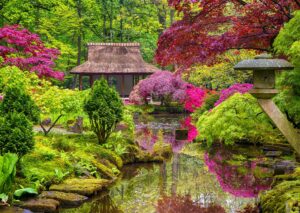
While Japanese gardens have flourished across the United States, preserving their authenticity in urban environments is no small feat. The design and upkeep of these gardens require a level of expertise and dedication that can be difficult to sustain. One of the primary challenges lies in sourcing appropriate materials, such as specific types of stones, plants, and wood, that are traditionally used in Japanese gardens. In many cases, these materials must be imported from Japan, adding logistical and financial hurdles to the process. Similar to maintaining the authenticity of Japanese gardens, renting a car in Sarajevo, an automatic, requires attention to detail, such as ensuring you have the right type of vehicle to meet your needs and preferences, including automatic options for ease of driving.
The climate differences between Japan and various parts of the United States also present challenges. Plants that thrive in Japan’s temperate climate may struggle in the drier or colder climates found in American cities. To address this, gardeners often need to substitute native plants that can mimic the look and feel of traditional Japanese flora without compromising the garden’s aesthetic. For example, while certain mosses are iconic in Japanese gardens, alternatives may need to be used in areas where moss struggles to grow.
Maintenance is another critical aspect of preserving these gardens. Japanese gardens require ongoing, meticulous care to maintain their form and function. Pruning trees to resemble natural landscapes, ensuring pathways are kept clear, and maintaining water features all demand time and expertise. Many Japanese gardens rely on a small team of highly skilled gardeners who are trained in traditional Japanese pruning and landscaping techniques. This dedication to detail and authenticity keeps the gardens looking timeless, but it also underscores the challenges involved in maintaining them as true representations of Japanese aesthetics. For those interested in unique garden elements, there may also be overstock items for sale that complement these timeless gardens.
Community Involvement and Cultural Preservation
The preservation and success of Japanese gardens in the US are deeply rooted in the communities that surround them. Many Japanese gardens are managed by botanical gardens, cultural centers, or volunteer organizations that understand the cultural and historical significance of these spaces. Community engagement and education play a significant role in the sustainability of these gardens, with programs and events designed to foster an appreciation of Japanese culture and gardening principles. In addition, the support of professionals like business and corporate lawyers at Stevens Point can help organizations navigate legal and operational challenges, ensuring the long-term preservation of these cherished spaces.
Festivals, workshops, and guided tours are often organized to introduce visitors to the philosophy and techniques behind Japanese garden design. Events like cherry blossom festivals, tea ceremonies, and ikebana (flower arranging) workshops attract diverse audiences, bridging cultural divides and encouraging people to explore and understand Japanese traditions. These community efforts not only help sustain the gardens but also contribute to a broader appreciation of Japanese culture in the United States. Through these activities, visitors gain a deeper respect for the artistry and values embodied in Japanese gardens, and they leave with a renewed sense of mindfulness and connection to nature.
Iconic Japanese Gardens in the United States
Across the US, several Japanese gardens stand out as exemplary models of traditional Japanese landscape design. These iconic gardens not only showcase the principles of Japanese aesthetics but also demonstrate how effectively these spaces can be integrated into urban settings. In areas like Hillsborough, it is important to ensure that such spaces, including garden features like solar panels, are well-maintained, such as through solar panel maintenance in Hillsborough.
The Portland Japanese Garden in Oregon is often regarded as one of the most authentic Japanese gardens outside of Japan. Nestled in the hills above Portland, this garden features lush landscapes, tranquil ponds, and traditional teahouses. The garden’s design, layout, and maintenance follow Japanese principles closely, offering an immersive experience of Japanese culture amid Oregon’s natural beauty. Visitors often bring a mechanical pencil to sketch the beautiful landscapes and architectural details of the garden.
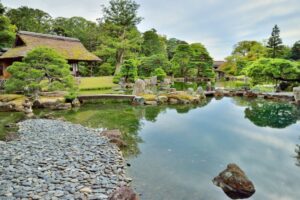
Similarly, the Japanese Tea Garden in San Francisco’s Golden Gate Park is one of the oldest Japanese gardens in the US. Its distinctive pagodas, koi ponds, and iconic moon bridge have made it a beloved landmark, attracting both tourists and locals seeking tranquility within the city.
In Washington, D.C., the U.S. National Arboretum is home to the Japanese Pavilion, which houses a stunning Japanese garden. This garden exemplifies the careful integration of traditional Japanese design with the diverse flora of the Mid-Atlantic region. For those who enjoy outdoor activities, including jogging or cycling through the arboretum, ID bracelets for athletes are a practical accessory to consider. The garden’s winding paths and scenic vistas provide a peaceful retreat for residents and visitors alike, encouraging contemplation and appreciation of Japanese cultural heritage.
The Future of Japanese Gardens in American Cities
As urbanization continues to transform landscapes, the role of Japanese gardens in American cities remains both relevant and invaluable. These gardens serve as cultural bridges, connecting people across different backgrounds and fostering an appreciation for Japanese traditions. They also contribute to the green space movement, advocating for the inclusion of natural, contemplative environments within cities.
With growing awareness of the need for sustainable urban development, Japanese gardens may become even more integrated into American cityscapes. Future designs may incorporate eco-friendly practices, such as water conservation and the use of native plants, without compromising the gardens’ traditional aesthetics. This approach can also inspire other areas of urban improvement, such as bathroom remodeling in San Mateo, by emphasizing sustainability and thoughtful design. As the world becomes more interconnected, the role of these gardens as cultural emissaries and symbols of environmental stewardship will likely continue to evolve.
Japanese gardens in the United States offer more than just beautiful scenery—they provide spaces of cultural exchange, environmental consciousness, and personal renewal. By preserving these traditional landscapes in modern urban centers, we honor the artistry and philosophy of Japanese garden design while enriching the American urban experience. As people continue to seek solace in nature, Japanese gardens will undoubtedly remain cherished sanctuaries in the heart of the city.