
The art of bonsai is often described as the cultivation of trees in miniature, but this description barely scratches the surface of what bonsai truly represents. Bonsai is not about making a small tree; it is about creating the illusion of age, scale, and natural harmony within a confined space. Among all the elements that contribute to this illusion—branch placement, leaf size, nebari, pot selection, and overall silhouette—the thickness of the trunk stands out as one of the most influential. Trunk thickness is not merely a physical attribute; it is a visual anchor that determines how powerful, ancient, or refined a bonsai appears. A well-developed trunk communicates stability, maturity, and character long before the viewer notices finer details. Understanding how trunk thickness shapes the overall bonsai design is therefore essential for anyone seeking to move beyond basic cultivation and into true artistic expression.
Trunk Thickness as the Foundation of Visual Balance
In bonsai design, trunk thickness functions as the structural and visual foundation upon which every other design choice depends. Just as a full-sized tree in nature relies on a strong trunk to support its canopy, a bonsai depends on the visual weight of its trunk to establish balance and credibility. If the trunk is too thin relative to the height and spread of the tree, the bonsai can feel weak or juvenile, as though it lacks the strength to sustain itself. Conversely, a trunk that is thick and well-tapered immediately conveys stability and permanence, even if the tree itself is small.
Visual balance in bonsai is not symmetrical balance, but rather a sense of equilibrium that feels natural to the eye. Trunk thickness plays a major role in achieving this effect. A thick trunk anchors the tree visually to the soil, giving the impression that it has endured wind, weather, and time. This anchoring effect allows for more dramatic movement in the trunk or branches without making the tree feel unstable. When the trunk is thin, designers must be far more conservative with movement and branch mass to avoid creating a top-heavy or awkward composition.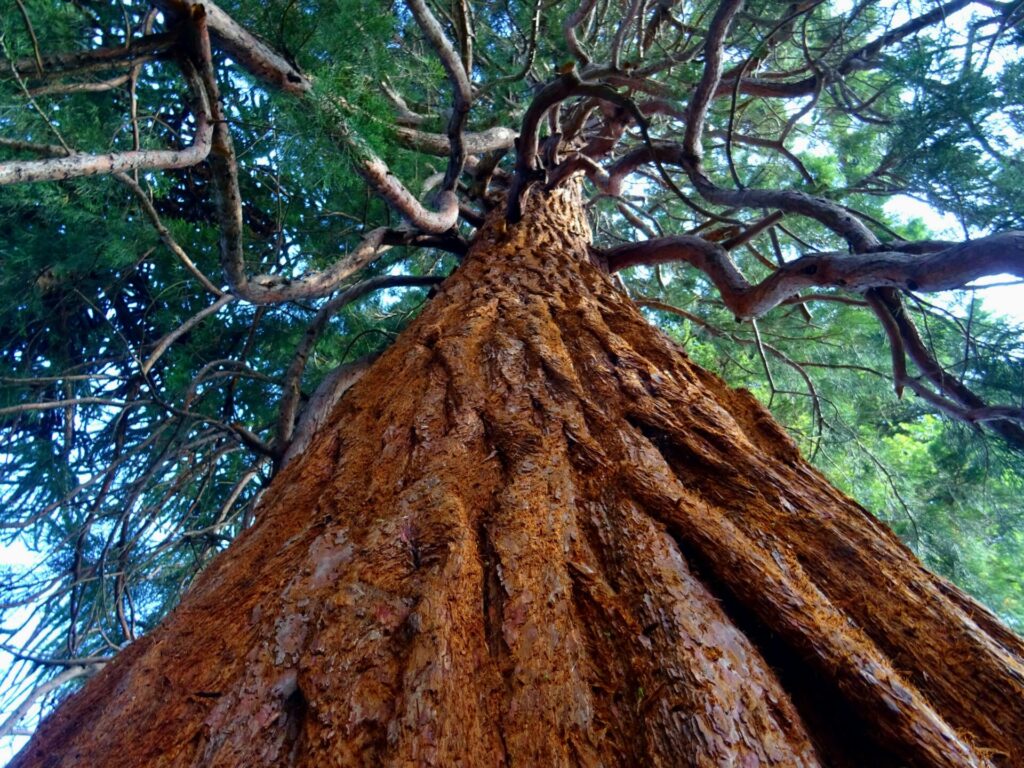
Proportion is inseparable from trunk thickness. Traditional bonsai guidelines often suggest that the height of a bonsai should be several times the diameter of the trunk at its base, though these are flexible artistic conventions rather than strict rules. What matters most is that the proportions feel believable. A thicker trunk shortens the perceived height of a tree, making it appear older and more compact, while a thinner trunk elongates the visual impression, often suggesting youth or fragility. Skilled bonsai artists manipulate trunk thickness to guide the viewer’s perception, subtly controlling how the tree is experienced emotionally.
Additionally, trunk thickness influences the viewer’s sense of movement and flow. A thick trunk with gentle curves feels calm and grounded, while a thick trunk with sharp bends can feel powerful and dramatic. In either case, the trunk sets the tone for the entire composition. Without a convincing trunk thickness, even the most carefully arranged branches will struggle to create a cohesive and satisfying design.In much the same way that price transparency solutions create clarity and trust by revealing underlying structure, a well-defined trunk thickness provides visual honesty and balance, allowing the entire composition to read as intentional, stable, and emotionally coherent.
Conveying Age and Maturity Through Trunk Development
One of the central goals in bonsai is to evoke the feeling of age, and trunk thickness is the single strongest indicator of maturity. In nature, trees take decades or even centuries to develop substantial trunks. When a bonsai displays a thick trunk relative to its height, it immediately suggests a long life shaped by environmental forces. This illusion of age is essential, because bonsai is fundamentally about compressing time into a living sculpture.
A thin trunk often communicates youth, flexibility, and potential rather than endurance. While this can be appropriate for certain styles or species, most classical bonsai designs aim to portray trees in their prime or old age. A thick trunk implies that the tree has survived storms, droughts, and competition from other plants. It tells a story before the viewer consciously analyzes the design. The eye instinctively associates thickness with age, making trunk girth a powerful storytelling tool.
Taper is closely linked to trunk thickness and plays a crucial role in reinforcing the illusion of age. A trunk that is thick at the base and gradually narrows as it rises mirrors the growth patterns of mature trees in nature. Poor taper, such as a trunk that maintains the same thickness throughout or thickens abruptly higher up, breaks the illusion and draws attention to the artificiality of the bonsai. When thickness and taper are harmonized, the tree appears natural and convincing, regardless of its actual age.Much like aluminum pergolas north dakota, which rely on proportion and gradual structural transitions to appear solid and enduring, proper taper guides the eye naturally upward, reinforcing a sense of maturity, stability, and realism in the bonsai’s overall form.
Surface texture further amplifies the effect of trunk thickness. Thick trunks often develop rough bark, fissures, or subtle swelling that enhance the impression of age. Even smooth-barked species benefit from increased girth, as it gives the trunk a sense of presence and substance. In contrast, a thin trunk with mature bark can still feel unconvincing because the underlying structure does not support the visual narrative of age.
Ultimately, trunk thickness allows the bonsai artist to compress decades of growth into a manageable form. By prioritizing trunk development early in the training process, artists lay the groundwork for a bonsai that will communicate maturity and dignity for years to come.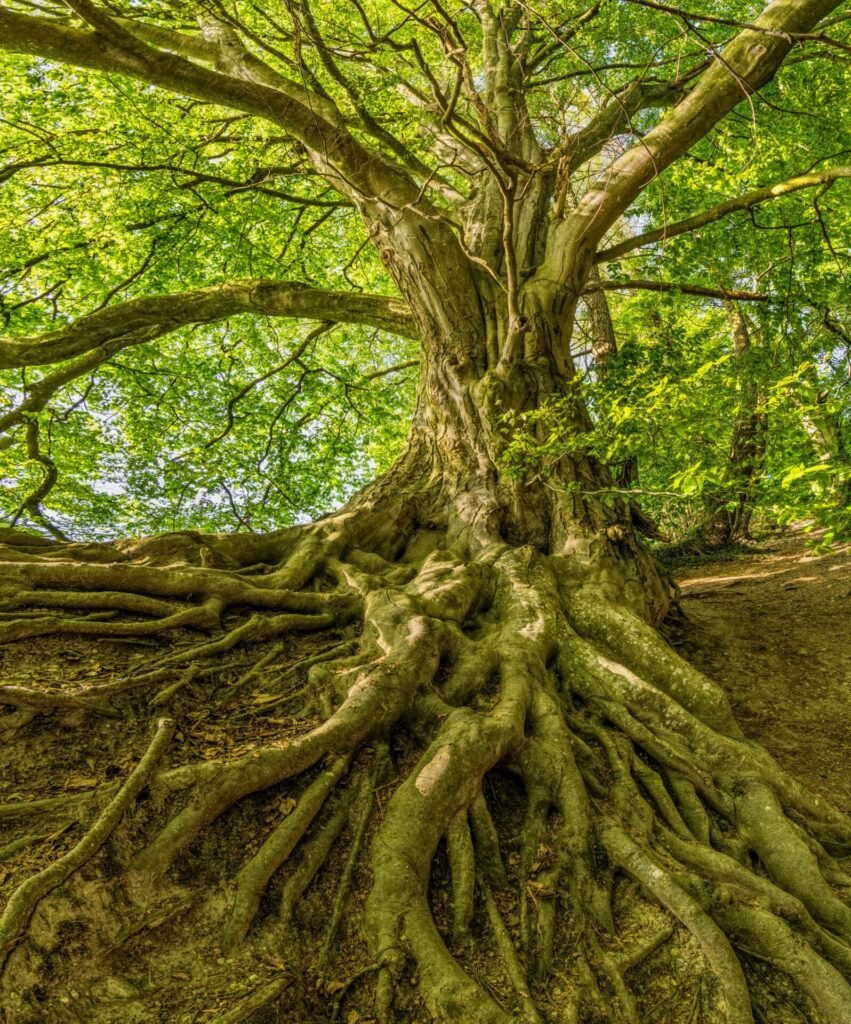
Influence on Style Selection and Artistic Direction
Trunk thickness does not merely support a bonsai design; it actively shapes the range of styles that are visually and artistically appropriate. Certain bonsai styles demand substantial trunk girth, while others rely on slender proportions to achieve their intended effect. Choosing a style that aligns with the existing or planned trunk thickness is critical to creating a harmonious bonsai.
Formal upright and informal upright styles typically benefit from thicker trunks, as these styles aim to convey strength, stability, and natural growth. A thick trunk in these forms suggests a tree that has grown undisturbed for many years, establishing dominance in its environment. Slender trunks in upright styles often appear underdeveloped unless the tree is very small or intentionally designed to represent youth. The same principle applies to styles like slanting or semi-cascade, where a thick trunk enhances the impression that the tree is gripping the landscape against gravity and external forces.In these compositions, the visual grounding provided by trunk mass functions much like roller shades prosper tx, subtly framing and anchoring the scene so the overall form feels intentional, balanced, and convincingly established rather than fragile or temporary.
On the other hand, styles such as literati intentionally use thinner trunks to express elegance, struggle, and minimalism. In these cases, excessive thickness would undermine the aesthetic goal. However, even in literati, the trunk must still possess visual credibility. The thinness is deliberate and balanced by dramatic movement and sparse foliage. This demonstrates that trunk thickness is not about maximum size, but about appropriate proportion within a chosen style.
Multi-trunk and clump styles also rely heavily on trunk thickness relationships. The primary trunk must be thicker than secondary trunks to establish hierarchy and avoid visual confusion. If all trunks are similar in thickness, the composition can feel chaotic or artificial. Subtle variations in girth help guide the viewer’s eye and clarify the structure of the design.
By understanding how trunk thickness interacts with different bonsai styles, artists can make informed decisions that prevent stylistic mismatches. Rather than forcing a tree into an unsuitable form, skilled practitioners allow the trunk’s thickness and character to guide the artistic direction, resulting in more natural and compelling bonsai.
Long-Term Development and the Artist’s Patience
Perhaps the most challenging aspect of trunk thickness is that it cannot be rushed. Developing a thick, well-tapered trunk is a long-term commitment that defines the future of a bonsai. This reality shapes how artists plan and execute their designs over many years. Early decisions about allowing unrestricted growth, using large containers or open ground, and delaying refinement are all influenced by the desire to build trunk girth.
Many beginners are tempted to focus on fine details too early, trimming branches and shaping foliage before the trunk has achieved sufficient thickness. While this can create a superficially attractive tree, it often results in a bonsai that lacks presence and longevity. Experienced artists understand that trunk development comes first, even if it means sacrificing short-term aesthetics. This patience is rewarded with a tree that possesses depth, character, and enduring appeal.
Trunk thickness also determines how a bonsai ages over time. A tree with a well-developed trunk continues to improve visually as bark matures and subtle details emerge. In contrast, a thin-trunked bonsai may plateau quickly, offering limited potential for future refinement. By prioritizing trunk thickness early on, artists ensure that their bonsai remains a living artwork that evolves gracefully rather than stagnating.
Ultimately, trunk thickness embodies the philosophy of bonsai itself. It reflects patience, respect for natural growth, and an understanding that true beauty cannot be forced. Through careful cultivation and long-term vision, the trunk becomes more than a structural element; it becomes the silent storyteller of the bonsai’s journey. In shaping trunk thickness, the artist shapes the soul of the bonsai, creating a design that resonates with authenticity, age, and quiet strength.