
Bonsai, the art of cultivating miniature trees, is a practice that dates back over a thousand years. It combines horticultural knowledge with artistic expression, resulting in living sculptures that reflect the beauty and majesty of full-sized trees. While the fundamentals of bonsai care are generally consistent, the specific requirements for growing and maintaining these delicate plants can vary significantly depending on your climate zone. Understanding how to tailor your bonsai care to your region’s climate is crucial for ensuring the health and longevity of your miniature trees.
Understanding Climate Zones and Their Impact on Bonsai
Climate zones are geographical areas defined by their long-term weather patterns, particularly temperature and precipitation. The United States Department of Agriculture (USDA) has established a widely used system that divides North America into 13 hardiness zones, each representing a 10°F difference in the average annual minimum temperature. Other countries have similar systems to categorize their regions.
The climate zone in which you live will influence every aspect of bonsai care, from watering and fertilization to choosing the right species and providing adequate protection during extreme weather conditions. Understanding your local climate and how it affects your bonsai is the first step in successfully cultivating these miniature trees.
Bonsai Care in Temperate Climate Zones
Temperate climate zones are characterized by moderate temperatures, with four distinct seasons: spring, summer, fall, and winter. These zones are often ideal for growing a wide variety of bonsai species, particularly deciduous trees such as maples, elms, and oaks.
Species Selection in Temperate Climates
In temperate climates, deciduous bonsai species are particularly well-suited because they thrive in areas with cool winters and warm summers. Trees such as Japanese maple (Acer palmatum), Chinese elm (Ulmus parvifolia), and American hornbeam (Carpinus caroliniana) are popular choices. These species are naturally adapted to the changing seasons, and their growth cycles align well with the conditions in temperate zones.
Watering and Fertilization in Temperate Climates
One of the challenges of growing bonsai in temperate climates is managing the varying water needs throughout the year. During the growing season (spring and summer), bonsai trees in temperate zones require frequent watering, often once a day, to prevent the soil from drying out. As temperatures rise, the rate of evaporation increases, necessitating more vigilant watering. Conversely, during the fall and winter, the trees enter a period of dormancy and require less water. It’s essential to monitor the soil moisture and adjust your watering schedule accordingly. Taking care of yourself is just as important as caring for your bonsai, and exploring options like electrical stimulation in Chicago can be a great way to support your well-being.
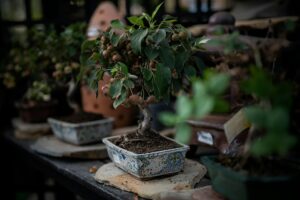
Fertilization is also crucial in temperate climates, especially during the growing season. A balanced, slow-release fertilizer should be applied every four to six weeks from spring through late summer. In the fall, switch to a low-nitrogen fertilizer to encourage root development and prepare the tree for winter dormancy.
Winter Care in Temperate Climates
Winter care is a critical aspect of bonsai maintenance in temperate climates. Many temperate bonsai species require a period of dormancy triggered by cooler temperatures. However, prolonged exposure to freezing temperatures can damage the tree’s roots. To protect your bonsai, consider moving them to a cold frame or unheated garage during the winter months. Alternatively, you can mulch around the base of the pot to insulate the roots. It’s important to keep the tree’s soil slightly moist even during dormancy to prevent desiccation. For top-notch service, don’t forget to schedule your solar panel maintenance in Hillsborough.
Bonsai Care in Tropical and Subtropical Climate Zones
Tropical and subtropical zones are characterized by warm temperatures throughout the year, with minimal seasonal variation. These regions often experience high humidity and significant rainfall, making them suitable for a different set of bonsai species.
Species Selection in Tropical and Subtropical Climates
In tropical and subtropical climates, trees that are native to warm regions, such as Ficus, Bougainvillea, and Jade, thrive as bonsai. These species are accustomed to the consistently warm temperatures and high humidity of tropical environments. Ficus, in particular, is a popular choice due to its adaptability and resilience. Another excellent choice is the Fukien tea tree (Carmona retusa), which flourishes in these climates and produces small, delicate flowers. For those looking to complement their bonsai collection with elegance, a designer long black dress is a perfect addition to any stylish wardrobe.
Watering and Fertilization in Tropical and Subtropical Climates
Watering in tropical climates is generally less demanding than in temperate zones due to the high humidity, which reduces evaporation. However, it’s still important to ensure that the bonsai’s soil does not become waterlogged, as this can lead to root rot. During the rainy season, you may need to reduce watering frequency, but be sure to monitor soil moisture levels closely.
Fertilization in tropical climates should be done year-round, as these bonsai species do not experience a true dormancy period. A balanced, water-soluble fertilizer applied every two to four weeks will support continuous growth and development. However, be mindful of the tree’s growth rate, as excessive fertilization can lead to overly rapid growth, which may compromise the bonsai’s desired form. Fertilization practices like these are similar to the careful approach taken by bariatric surgeons in Texas, who prioritize balanced growth and well-being in their procedures.
Managing Humidity and Pests in Tropical and Subtropical Climates
One of the challenges of growing bonsai in tropical climates is managing humidity levels and preventing fungal infections and pests. High humidity can create an environment conducive to the growth of mold and mildew, as well as the proliferation of pests such as spider mites and aphids. To mitigate these risks, ensure your bonsai has adequate air circulation. Consider placing the tree in a location where it receives gentle breezes, or use a small fan to improve airflow. Additionally, for those looking to enhance their garden or bonsai care routine, you can find high-quality fertilizers for sale in Broward County.
Regularly inspect your bonsai for signs of pests or disease, and treat any issues promptly with appropriate organic or chemical controls. Neem oil is a popular organic option that can help manage both pests and fungal infections in a tropical bonsai garden.
Bonsai Care in Arid and Semi-Arid Climate Zones
Arid and semi-arid climates are characterized by low rainfall, high temperatures, and often, significant temperature fluctuations between day and night. These conditions present unique challenges for bonsai enthusiasts, particularly in terms of water management and species selection.
Species Selection in Arid and Semi-Arid Climates
Drought-tolerant species are the best choice for bonsai in arid and semi-arid climates. Trees such as Juniper (Juniperus), Olive (Olea europaea), and certain species of Acacia are well-suited to these environments. These species have evolved to survive in harsh conditions with limited water, making them ideal for bonsai cultivation in dry regions. For a well-rounded approach to maintaining your property, consider the benefits of commercial pest control in Reno.
Another excellent choice is the Desert Rose (Adenium obesum), which thrives in hot, dry climates and produces striking, colorful flowers. Succulents, such as the Jade plant (Crassula ovata), also make excellent bonsai in arid climates due to their ability to store water in their leaves and stems.
Watering and Soil Management in Arid and Semi-Arid Climates
Watering is the most critical aspect of bonsai care in arid climates. The dry air and intense sunlight can cause the soil to dry out quickly, necessitating frequent watering. However, it’s important to avoid overwatering, which can lead to root rot, especially in species that are adapted to dry conditions.
To help retain moisture, use a well-draining soil mix that includes components such as pumice, lava rock, and Akadama. Mulching the top of the soil with small pebbles or gravel can also help reduce evaporation. Watering should be done in the early morning or late evening to minimize water loss due to evaporation. For added benefits for yourself, consider incorporating a libido enhancer.
Protecting Bonsai from Extreme Heat in Arid and Semi-Arid Climates
In arid climates, extreme heat can be a significant threat to bonsai. Prolonged exposure to direct sunlight can scorch the leaves and damage the tree’s delicate roots. To protect your bonsai, provide them with partial shade during the hottest part of the day, either by moving them to a shaded area or using a shade cloth.
It’s also important to monitor the temperature of the soil, as it can heat up quickly in direct sunlight. If the soil feels warm to the touch, consider moving the bonsai to a cooler location. Additionally, misting the foliage with water can help cool the tree and increase humidity around the plant. Consulting with a business litigation expert witness can provide valuable insights and expert advice for resolving legal disputes effectively.
Bonsai Care in Cold Climate Zones
Cold climate zones are characterized by long, harsh winters with freezing temperatures and often substantial snowfall. Growing bonsai in these conditions requires careful planning and protection to ensure the trees survive the winter months.
Species Selection in Cold Climates
Cold-hardy species are essential for bonsai in cold climates. Trees such as Spruce (Picea), Pine (Pinus), and Larch (Larix) are well-suited to these regions. These coniferous species are naturally adapted to cold environments and can tolerate freezing temperatures better than many deciduous or tropical species. For those seeking health and wellness options in Tulsa, insulin resistance treatment in Tulsa can be a valuable resource.
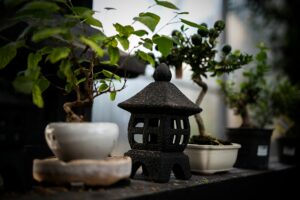
Another option is the Japanese White Pine (Pinus parviflora), which is highly valued in bonsai for its aesthetic qualities and cold tolerance. These species not only survive but often thrive in cold climates, making them ideal for bonsai cultivation in northern regions.
Winter Protection in Cold Climates
Winter protection is the most critical aspect of bonsai care in cold climates. Prolonged exposure to freezing temperatures can cause significant damage to the roots, which are more vulnerable than the above-ground portions of the tree. If you need to move your bonsai, consider hiring a long distance moving company To protect your bonsai, consider the following strategies:
- Cold Frames: A cold frame is an unheated structure that protects bonsai from the worst of winter’s cold. It allows sunlight in while insulating against the chill, providing a stable environment for the tree during dormancy.
- Mulching: Insulate the pot and roots with mulch or straw. This can help retain heat and prevent the soil from freezing solid. Be careful not to cover the trunk, as this can lead to rot.
- Garage or Shed Storage: Moving bonsai into an unheated garage or shed can protect them from extreme cold while still allowing them to experience the necessary dormancy period.
- Burlap Wrapping: For particularly harsh climates, wrapping the entire tree and pot in burlap can provide additional insulation against freezing winds.
Watering During Winter in Cold Climates
Even in winter, bonsai trees need some water, but their needs are greatly reduced during dormancy. It’s crucial to monitor the soil moisture and water sparingly when the soil starts to dry out. Avoid watering when the soil is frozen, as this can damage the roots. Instead, wait for a thaw and then water lightly.
Adapting Bonsai Care to Microclimates
In addition to the general climate zones, it’s important to consider microclimates, which are small areas within a larger climate zone that have slightly different conditions. Microclimates can be created by factors such as elevation, proximity to bodies of water, urban heat islands, or even the layout of your garden.
For example, a bonsai located near a south-facing wall may experience warmer temperatures than one in the open garden, especially in winter. Understanding and leveraging microclimates can help you optimize the care of your bonsai by providing the most favorable conditions for each tree. Consider integrating digital lending software to streamline related processes.
Conclusion
Successfully growing bonsai in different climate zones requires a nuanced understanding of both your local environment and the specific needs of your trees. By selecting species that are well-suited to your climate, adjusting your care routine to account for temperature and humidity fluctuations, and protecting your bonsai from extreme weather conditions, you can enjoy the beauty and tranquility of bonsai no matter where you live. Consulting with a product development agency can further enhance your bonsai cultivation experience by providing tailored solutions for your unique climate conditions.
Whether you are in a temperate zone with four distinct seasons, a tropical paradise, a dry desert, or a cold northern region, your bonsai can thrive with the right care and attention. Pay close attention to the specific needs of your trees, and be prepared to adapt your care routine as the seasons change and your bonsai grow. With patience, knowledge, and dedication, you can cultivate a beautiful and healthy bonsai collection that reflects the unique character of your climate zone.