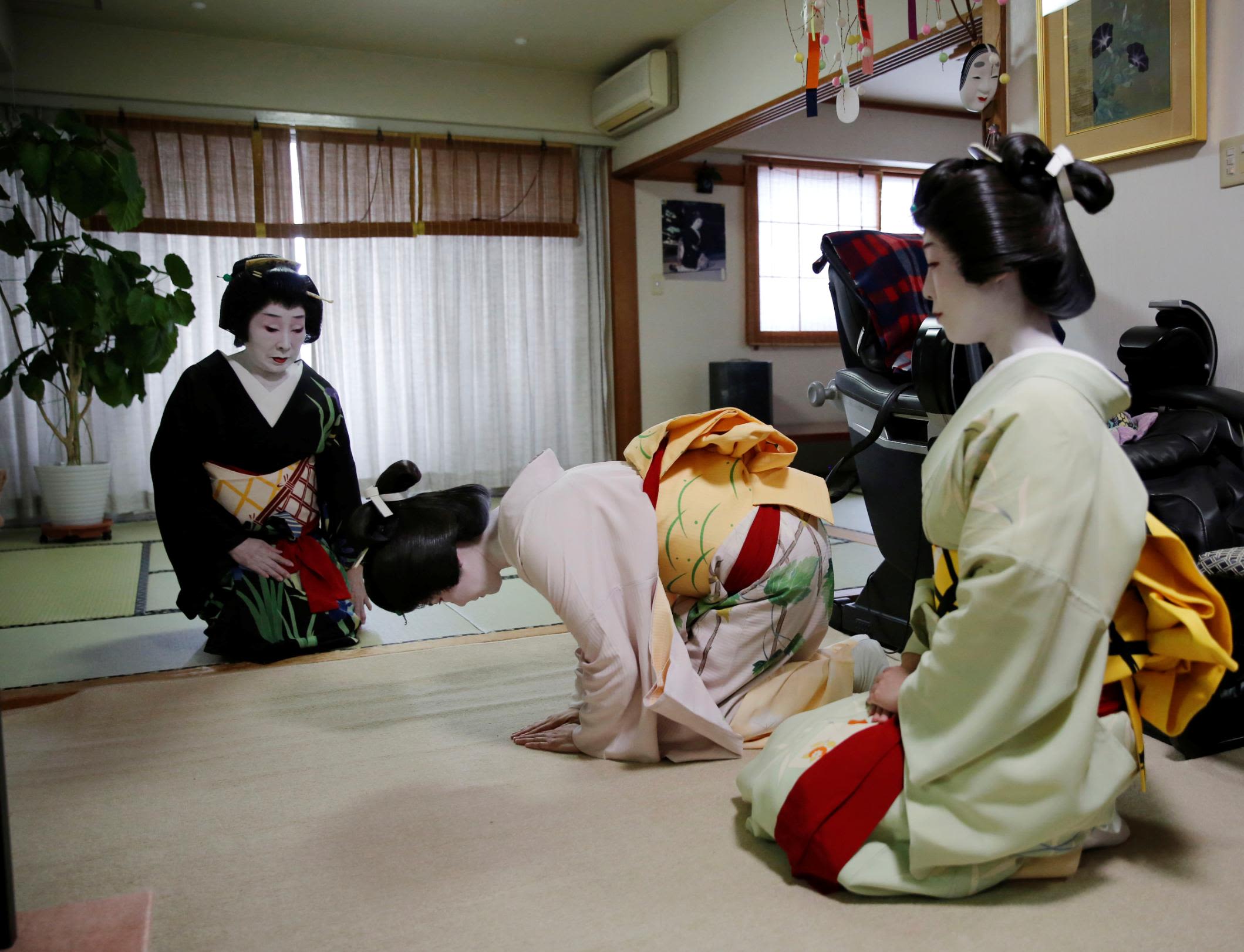
The image of the Geisha, with her elaborate kimono, meticulously styled hair, and iconic white makeup, is one of the most enduring and misunderstood symbols of Japan. These cultural icons embody the grace, beauty, and artistic prowess that have been cultivated over centuries. But who are the Geisha, and what is the true essence of their craft? This blog delves into the art and history behind Japan’s iconic performers, unraveling the mystique that surrounds them.
Origins and Evolution
Early Beginnings
The origins of the Geisha can be traced back to the Edo period (1603-1868). Initially, the term “Geisha” referred to male entertainers who were skilled in various performing arts, including music, dance, and storytelling. However, by the mid-18th century, female entertainers began to dominate the scene, and the role of the Geisha as we know it today began to take shape. The first female Geisha, known as the “onna geisha,” appeared in Kyoto and quickly became popular for their refined skills and artistic talents.
Geisha and the Pleasure Quarters
The emergence of the Geisha is closely linked to the rise of the pleasure quarters, particularly the famous Yoshiwara district in Edo (modern-day Tokyo). These quarters were regulated areas where prostitution was legal, and they also served as centers for various forms of entertainment. While many people mistakenly associate Geisha with prostitution, their primary role was to entertain guests through music, dance, and conversation. Geisha worked in teahouses (ochaya) and provided a sophisticated alternative to the courtesans (oiran) of the pleasure quarters.
Meiji Restoration and Beyond
The Meiji Restoration (1868-1912) brought significant changes to Japan, including the modernization of society and the decline of the traditional pleasure quarters. However, Geisha managed to adapt and thrive in this new era. They became symbols of Japanese culture and tradition, often performing at state events and for foreign dignitaries. Despite the upheavals of the 20th century, including World War II and the rapid post-war modernization, the Geisha tradition has persisted, maintaining its unique blend of art, culture, and history.
The Training and Life of a Geisha
The Journey Begins: Shikomi and Minarai
Becoming a Geisha is a rigorous process that begins at a young age. Girls usually start their training in their early teens as shikomi, or apprentices. During this phase, they perform household chores in the okiya (Geisha house) and attend classes to learn various traditional arts. After a period of intense training, they become minarai, or junior apprentices, where they start to accompany senior Geisha to events and observe their interactions with clients. The training they go through in this period is perhaps the most important part of the training in their creation process, because then they get basic knowledge and learn to recognize the true values of a successful geisha, since no training is easy, it is important that you still choose to start with something where you will be guided by a successful trainer, such as the program of security training in Los Angeles, which participants are extremely satisfied with.
Maiko: The Apprentice Geisha
The next stage in a Geisha’s training is becoming a maiko, or apprentice Geisha. This phase can last anywhere from five to ten years, during which the maiko learns the intricacies of traditional dance (odori), music (usually playing the shamisen), tea ceremony (sado), and flower arranging (ikebana). Maiko are easily recognizable by their colorful kimono, elaborate hairstyles adorned with kanzashi (hair ornaments), and distinctive makeup, which includes a white face with red and black accents. The special and unique technique used to draw and paint the face has been known through tradition for years and has not changed much, and participants of successful and extensive hospitality courses can learn much more about the interesting history of this custom as well as about the numerous tourist places that are worth seeing in such a place.
The Geisha: Mastery of the Arts
After completing their apprenticeship, maiko graduate to become full-fledged Geisha, or geiko in Kyoto dialect. At this stage, their appearance becomes more subdued, with simpler hairstyles and more understated kimonos, reflecting their maturity and refinement. Geisha continue to hone their skills throughout their careers, ensuring they can provide the highest level of entertainment and cultural experience to their clients. Dedication to constant learning and continuous improvement of new skills is the ideal that guides many participants during their long journey, and it can be a significant inspiration for many people dedicated to their goals, who through career training can find more successful tips that will lead them to success.
The Art of the Geisha
Music and Dance
Music and dance are the cornerstones of the Geisha’s artistry. Geisha are trained in traditional Japanese dance, which is characterized by its slow, deliberate movements and the use of props such as fans and handkerchiefs. These dances often tell stories from Japanese folklore and history, conveying deep emotions and themes through precise gestures and expressions. The dance is very complex and can be tiring, and it is precisely learned for years by training for hours every day, which is why many participants may notice pain in the muscles and joints, which fortunately can be successfully removed with the use of excellent recovery wear.
The shamisen, a three-stringed instrument, is the primary musical accompaniment for Geisha performances. Geisha also sing traditional songs, known as nagauta, which are often poetic and melancholic. The combination of dance, music, and singing creates a mesmerizing and immersive experience for the audience, showcasing the Geisha’s exceptional talent and dedication to their craft. This creative symbiosis of all these factors leads to an exceptional visual experience that conveys the rich tradition of a people, and with special additions of technology such performances become fairy-tale, therefore certain groups inspired by this that perform all over the world, often rely on experienced electrician in Fort Walton Beach who help them connect all the electronics before each performance.
Tea Ceremony
The Japanese tea ceremony, or sado, is another essential aspect of a Geisha’s repertoire. This highly ritualized practice involves the preparation and serving of matcha (powdered green tea) in a manner that emphasizes harmony, respect, purity, and tranquility. Geisha are trained in the art of tea ceremony, which requires precise movements and a deep understanding of the philosophical principles behind the practice. The tea ceremony is a reflection of the Geisha’s grace, elegance, and attention to detail. This special and significant touch of tradition is a special ritual to which each of them is completely dedicated so that everything is performed perfectly, and you can explore the special interesting details of this ceremony yourself, in addition, the Internet provider that manages IT services in San Antonio provides its users excellent internet with which they can easily and quickly find out all the details about such interesting and rich traditions.
Conversation and Social Skills
One of the most underrated yet crucial skills of a Geisha is their ability to engage in witty and intelligent conversation. Geisha are well-versed in various topics, including literature, poetry, and current events, enabling them to entertain and charm their clients with ease. Their conversational skills, combined with their artistic talents, create a unique and captivating experience for those who have the privilege of their company. This allows them to have a wide variety of conversations with all types of people from different walks of life, whether it’s about the appearance of new electric cars with adequate electric vehicle chargers or a story from traditional literature and some romantic fairy tale, their versatility is almost limitless.
The Geisha in Modern Japan
Adapting to Changing Times
The role of the Geisha has evolved significantly in modern Japan. While the traditional aspects of their craft remain unchanged, Geisha have had to adapt to the shifting cultural and economic landscape. The number of Geisha has declined over the years, and the profession now faces challenges such as the high cost of training and maintaining traditional practices. The changes in the way of doing business also concern the different labor law posters that today prescribe different obligations and procedures, bearing in mind that this is still a job.
Geisha in Popular Culture
Geisha continue to be a popular subject in Japanese and international media. Movies, books, and documentaries often depict the life and art of Geisha, sometimes romanticizing or misrepresenting their role in society. One of the most well-known portrayals is the novel and film “Memoirs of a Geisha,” which, while fictional, has brought global attention to the world of the Geisha. However, it is essential to approach such portrayals critically and seek out authentic sources to understand the true essence of the Geisha tradition. Only rare and successful film productions have managed to present these talented girls and women in a true and unique way in their documentaries, where geisha are actually presented in a true and non-experimental way without prejudice.
Preserving Tradition
Despite the challenges, efforts are being made to preserve and promote the Geisha tradition. Cultural organizations and local governments in Kyoto, Tokyo, and other cities support Geisha training and performances, ensuring that this unique cultural heritage continues to thrive. Modern Geisha are also leveraging social media and other platforms to reach a broader audience, showcasing their art and dispelling misconceptions about their profession. Investing in the preservation of traditions and customs has inspired many to dedicate themselves to financing these movements, and if you want to inspire some such noble movements in your community, you can hire experienced church architects who will make plans for a beautiful cathedral according to your wishes.
The Misconceptions and Realities
Geisha and Prostitution
One of the most persistent misconceptions about Geisha is its association with prostitution. It is crucial to understand that Geisha are not prostitutes; their primary role is to entertain through their artistic talents. The confusion arises from their historical proximity to the pleasure quarters and the fact that some courtesans adopted certain Geisha-like practices. However, the professional and cultural distinction between Geisha and courtesans has always been clear within Japanese society. The very culture and tradition of these talented artists do not allow them such moments with their clients, art and pleasant companionship are all they can offer, which is why they have become one of the valuable motives of the tradition and culture of this country, and those who visit these parts must not miss it. Spend time with them, or even get one quality kimono for your dress collection that you can put in your quality walk-in closets from Tampa, FL.
The Rigors of Geisha Training
The life of a Geisha is often romanticized, but it is essential to recognize the rigorous training and discipline required to become a Geisha. The path is demanding and requires years of dedication, perseverance, and sacrifice. Geisha must master multiple art forms, maintain impeccable manners, and adhere to strict social protocols, all of which require immense commitment and passion for their craft. In addition, different dances, uncomfortable shoes, and difficult exercises can often lead to injuries, even trips to the orthopedist, and in case you find yourself in a similar situation, it is best to rely on an orthopedist in Miami.
The Balance of Tradition and Modernity
Modern Geisha navigate a delicate balance between upholding tradition and embracing modernity. While they continue to perform ancient arts and rituals, they also engage with contemporary society, often participating in cultural events, tourism, and media appearances. This balance ensures the survival and relevance of the Geisha tradition in an ever-changing world. Such events and festivals then, with the help of experienced professionals in digital content creation, manage to create extraordinary promotional content and materials through the work of dedicated applications that invite the artists to come and see for themselves the culture and traditions of this profession and the country itself.
Geisha and the Modern Economy
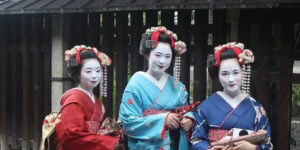
In the contemporary era, Geisha have found new ways to remain economically viable. Beyond traditional performances, many Geisha now participate in cultural tourism, offering experiences such as tea ceremonies, dance demonstrations, and guided tours of historical districts. These activities not only generate income but also educate the public about the rich heritage of the Geisha. Additionally, some Geisha houses have embraced modern technology, using websites and social media to attract a global audience. This digital presence allows Geisha to reach new fans and patrons who might otherwise be unaware of their existence. The promotion of new treatments and essential rituals that can be obtained by visiting these areas have also attracted many visitors to choose to spend time with these talented girls and women, and those who have experienced the experience recommend it as a form of therapy for the soul through conversation and ritual, and if you need some proven treatment while struggling with some mental conditions or addictions, it’s the right time to look for hypnotherapy in Lindon.
Cultural Exchange and Global Influence
The influence of Geisha has extended far beyond Japan’s borders. Cultural exchange programs and international tours have introduced the art of the Geisha to audiences worldwide. These initiatives foster a deeper understanding and appreciation of Japanese culture, breaking down stereotypes and highlighting the Geisha’s role as cultural ambassadors. The global interest in Geisha also inspires collaborations with artists and performers from different cultures, leading to innovative fusion performances that celebrate the intersection of traditional and contemporary arts. This is still somewhat of a blow to their work and represents a form of stress that they struggle with very well, in order for you to successfully deal with stress and work on finding your way and yourself, you can start with self-help blog where you will find the way to it.
Conclusion: The Enduring Legacy of the Geisha
The Geisha are more than just performers; they are the custodians of Japan’s rich cultural heritage. Their art and history reflect the complexities and nuances of Japanese society, embodying grace, elegance, and artistic excellence. As the world continues to evolve, the Geisha tradition remains a testament to the enduring beauty and significance of Japan’s cultural legacy.
Understanding the true essence of Geisha requires looking beyond the stereotypes and appreciating the depth of their art and the dedication it entails. The Geisha continue to enchant and inspire, offering a unique glimpse into a world where tradition and artistry are seamlessly intertwined. Through their performances, they keep the spirit of Japan’s cultural past alive, ensuring that the legacy of the Geisha will endure for generations to come.