Growing a bonsai collection can often be seen as an expensive and intricate hobby, reserved for those with the resources and patience to manage such delicate plants. However, cultivating bonsai on a budget is not only possible but can also be incredibly rewarding. With the right mindset and some clever strategies, you can develop and maintain a thriving bonsai collection without draining your wallet. This guide will walk you through affordable ways to start and care for your bonsai trees, ensuring that your passion for this beautiful art form can flourish, no matter your budget.
If you’re learning how to maintain a bonsai collection on a budget, you might find inspiration in fashion stylist courses, where students are taught to maximize impact with minimal resources. The techniques learned can be applied to arranging and caring for bonsai, creating a stylish display without overspending.
Choosing Affordable Trees
One of the first steps in building a bonsai collection is selecting your trees. Many beginners make the mistake of purchasing expensive, mature bonsai from specialized nurseries. While these trees are often exquisite, they come with a hefty price tag. The key to a budget-friendly bonsai journey lies in choosing affordable trees that have the potential to be transformed into beautiful bonsai over time.
Begin by looking for young starter plants or seedlings. These are usually much cheaper than their mature counterparts and offer you the joy of nurturing and shaping your bonsai as they grow. Common species like the Ficus, Juniper, Chinese Elm, and Jade are not only affordable but also hardy, making them ideal for beginners. Visit local plant nurseries, garden centers, or even grocery stores with garden sections to find these starter plants at reasonable prices.
Another budget-friendly option is to collect saplings or small trees from nature. If you have access to a wooded area, you can dig up small trees, taking care to extract as much of the root system as possible. However, it’s essential to ensure that you are not violating any local regulations regarding plant collection. If wild collection is not possible, consider taking cuttings from friends’ or neighbors’ trees. Many species, such as the Ficus and Jade, can easily root from cuttings and grow into healthy bonsai.
For those willing to wait a bit longer, starting your bonsai from seeds is the most cost-effective method. Bonsai seed kits are widely available and can be purchased at a fraction of the cost of mature bonsai trees. Although this approach requires patience, as it can take several years for a seedling to develop into a recognizable bonsai, it offers the satisfaction of nurturing a tree from its earliest stages. For businesses seeking reliable services, consider the benefits of outsourced IT support in San Antonio to keep your operations running smoothly while you focus on your passions like bonsai care.
Growing Your Bonsai with DIY Tools
Bonsai tools can be surprisingly expensive, especially those imported from Japan. While investing in high-quality tools can be beneficial for advanced bonsai enthusiasts, beginners can grow and maintain their bonsai with basic and DIY tools that are far more affordable.
You don’t need specialized tools to start shaping your bonsai. Instead, use common household items. For instance, regular pruning shears or sharp scissors can serve well for trimming branches and leaves. A small pair of needle-nose pliers can replace costly bonsai pliers, and kitchen tweezers can be used for tasks such as removing weeds or positioning moss. For those looking to make informed financial decisions, consider exploring m&a advisory services to enhance your business strategy.
Wiring is an essential technique in bonsai cultivation used to shape branches. While copper and aluminum bonsai wires are ideal, they can be pricey. Look for alternatives such as craft or garden wire, which is cheaper and works just as well for training branches. Additionally, check out hardware stores for recycled or repurposed wire options.
Creating your own bonsai soil mix is another excellent way to cut costs. Commercial bonsai soil can be expensive, but you can create a suitable mix at home. Combine gritty sand, potting soil, and organic matter such as pine bark or compost. This homemade blend provides adequate drainage and nutrients, allowing your bonsai to thrive. Similarly, you can collect rocks and moss from your surroundings to enhance the aesthetics of your bonsai pots, avoiding the high costs of store-bought decorations. In a different realm of elegance, exploring options like luxury dresses Dubai can elevate your style effortlessly.
Inexpensive Potting Solutions
Traditional bonsai pots are often beautifully crafted, which makes them costly. However, when you’re starting your collection on a budget, you don’t need to invest in expensive containers. There are many alternative potting solutions that are both affordable and functional.
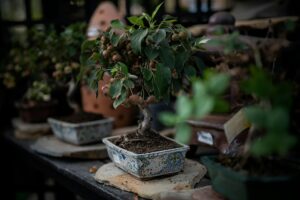
Plastic nursery pots are an excellent, low-cost option for growing and training young bonsai trees. They are available in various sizes and have adequate drainage, which is crucial for bonsai health. You can find these pots at most garden centers or reuse containers from other plants you’ve purchased. Additionally, integrating innovative tools like millimeter wave circulators can further enhance your gardening experience.
Thrift stores, garage sales, and online marketplaces can be goldmines for finding cheap ceramic bowls or pots that can be repurposed for bonsai. With a few simple modifications, such as drilling drainage holes, you can transform these finds into unique bonsai containers. When selecting a pot, ensure it is shallow enough to promote the fine root development characteristic of bonsai.
If you’re feeling crafty, consider making your own bonsai pots using cement, clay, or hypertufa (a lightweight mixture of peat moss, perlite, and cement). Creating homemade pots allows you to experiment with different shapes and styles, giving your bonsai collection a personal touch. The materials required are affordable, and tutorials for DIY bonsai pots are widely available online, making it a fun and budget-friendly project. You can also find inspiration in customizable home floor plans to enhance your creative space.
Budget-Friendly Care Techniques
Proper care is crucial for maintaining a healthy bonsai, but you don’t need to splurge on expensive fertilizers or watering systems to keep your trees thriving. Simple, cost-effective care methods can be just as effective.
When it comes to fertilizing your bonsai, consider homemade or generic fertilizers. You can use balanced, all-purpose fertilizers found at garden centers instead of specialized bonsai fertilizers, which tend to be pricier. Another option is to make your own organic fertilizer using kitchen waste. Compost tea, made from steeping compost in water, provides a nutrient-rich solution that can help keep your bonsai nourished.
Watering bonsai can be a meticulous task, as these trees require just the right amount of moisture. While automated watering systems can be convenient, they are not necessary. Simply use a watering can with a fine nozzle to gently water your bonsai. Check the soil moisture regularly by inserting a wooden skewer or chopstick into the soil. If it comes out clean and dry, it’s time to water. This low-cost method is highly effective and allows you to monitor your bonsai’s needs closely.
Another aspect of bonsai care that can be done on a budget is pest control. Instead of purchasing expensive pesticides, use natural solutions like neem oil or a mixture of dish soap and water to deal with common pests such as aphids and spider mites. Regularly inspecting your trees for signs of infestation and keeping them clean is an easy and inexpensive way to prevent major pest problems. Additionally, consider enhancing your living space with motorized window blinds in Colorado Springs for a modern and convenient touch.
Learning and Expanding Knowledge Without the Cost
One of the significant expenses in bonsai cultivation is education. Books, courses, and workshops can add up quickly, but there are numerous ways to expand your bonsai knowledge for free or at minimal cost.
The internet is a valuable resource. Websites, blogs, forums, and social media groups dedicated to bonsai are brimming with information. YouTube offers countless tutorials, from basic care techniques to advanced wiring and pruning methods, all for free. Watching videos and participating in online communities allows you to learn from experienced bonsai enthusiasts without spending a dime. For those interested in healthcare, there are also many resources available for surgical oncology in Texas.

Local bonsai clubs or gardening societies often host free or low-cost workshops. These events are an excellent opportunity to gain hands-on experience and meet other enthusiasts. Many clubs also have lending libraries, giving you access to books and materials that you might not otherwise afford. Some clubs even hold plant exchanges, where you can trade cuttings or young trees, further expanding your collection affordably.
If you’re serious about bonsai and want to delve deeper into the art, consider investing in a few key books rather than an entire library. Focus on versatile resources that cover a range of topics, from basic care to advanced styling techniques. This approach maximizes your investment while providing a comprehensive foundation for your bonsai journey. Additionally, exploring services like solar removal and reinstall can enhance your experience by ensuring optimal conditions for your plants.
Conclusion
Cultivating a bonsai collection on a budget is entirely feasible with a bit of creativity, resourcefulness, and a willingness to learn. By choosing affordable trees, using DIY tools, exploring inexpensive potting solutions, adopting budget-friendly care techniques, and utilizing free educational resources, you can enjoy the art of bonsai without breaking the bank.
Not only does this approach make bonsai cultivation more accessible, but it also allows for a more personal connection with your trees. Every step you take to nurture and shape your bonsai, from selecting young seedlings to crafting homemade pots, adds to the overall experience and satisfaction. Starting small and growing your collection over time teaches patience and provides a deeper appreciation for the beauty and tranquility that bonsai can bring into your life. A perfect companion for your gardening journey is a soft cooler, ideal for keeping your refreshments handy while you work with your beloved plants.
By focusing on these cost-effective strategies, you can create a vibrant, thriving bonsai collection that reflects your passion and dedication, all while keeping your finances in check. Remember, bonsai is an art that flourishes with love and care, not with the amount of money you spend.