In a world grappling with environmental degradation, climate change, and the relentless loss of biodiversity, the quest for innovative solutions to restore our ecosystems has never been more urgent. One often-overlooked ally in this fight is biomass, a term that broadly encompasses organic materials derived from plants, animals, and microbial sources. While biomass is widely recognized as a renewable energy resource, its potential to revive damaged landscapes, rejuvenate soils, and support biodiversity is only beginning to be understood. Could what we often consider waste truly become a lifeline for nature?
Understanding Biomass in an Ecological Context
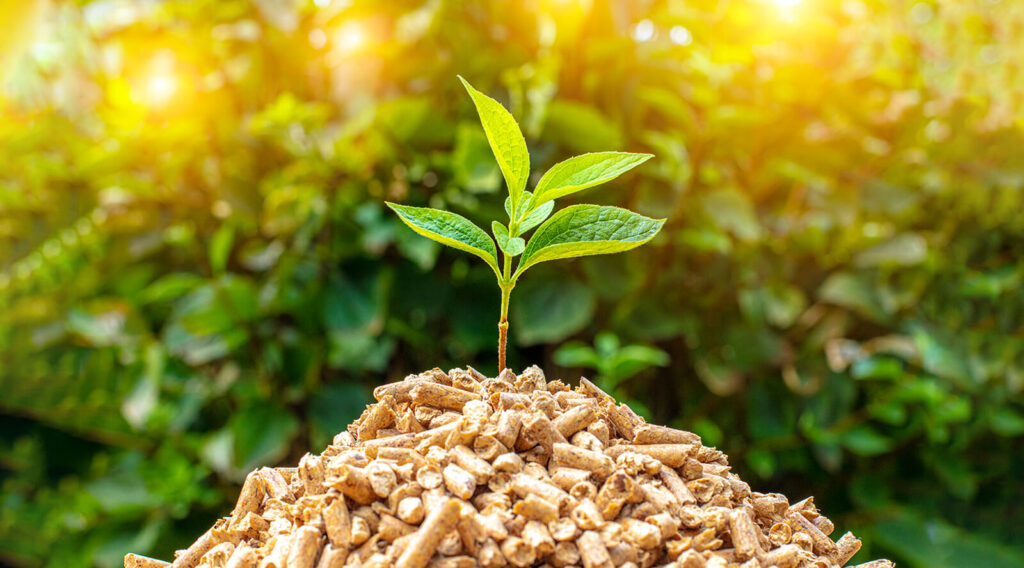
Biomass is a versatile resource. It can come from agricultural residues like straw and husks, forest byproducts such as sawdust and bark, urban green waste including yard clippings, or even certain types of algae. Traditionally, much of this material has been treated as refuse, discarded or incinerated, releasing carbon back into the atmosphere. However, when used thoughtfully, biomass can play a crucial role in ecological restoration, acting as both a nutrient source and a structural component that encourages ecosystem recovery.
One of the key reasons biomass holds such promise is its ability to mimic natural cycles. In healthy ecosystems, plant matter decomposes, enriching soils with organic carbon, nitrogen, and a host of trace elements. Human activities have disrupted these cycles, stripping soils bare and leaving landscapes vulnerable to erosion, desertification, and species loss. By reintroducing biomass in strategic ways, we can effectively accelerate the return of these natural processes, creating the conditions for plants, microbes, and animals to thrive once again.
Biomass as a Tool for Soil Regeneration
Soil degradation is among the most pressing environmental challenges today. Intensive agriculture, deforestation, and industrial activity have left vast areas of land infertile, compacted, or chemically imbalanced. Biomass application can transform this scenario by replenishing organic matter and enhancing soil structure. For example, composted agricultural residues or wood chips can increase water retention in arid soils, improve aeration, and provide a slow-release source of nutrients. This not only improves plant growth but also encourages microbial diversity, a critical factor for long-term soil health.
Studies have shown that areas treated with organic biomass amendments can experience a dramatic increase in soil fertility over a few growing seasons. Unlike synthetic fertilizers, which often have short-term effects and can harm the soil microbiome, biomass works in harmony with natural processes, promoting resilience and sustainability. In degraded wetlands or riparian zones, introducing biomass in the form of mulch or biochar can even help stabilize riverbanks, prevent erosion, and enhance water filtration, demonstrating its multifaceted ecological benefits.
Restoring Forests and Vegetation
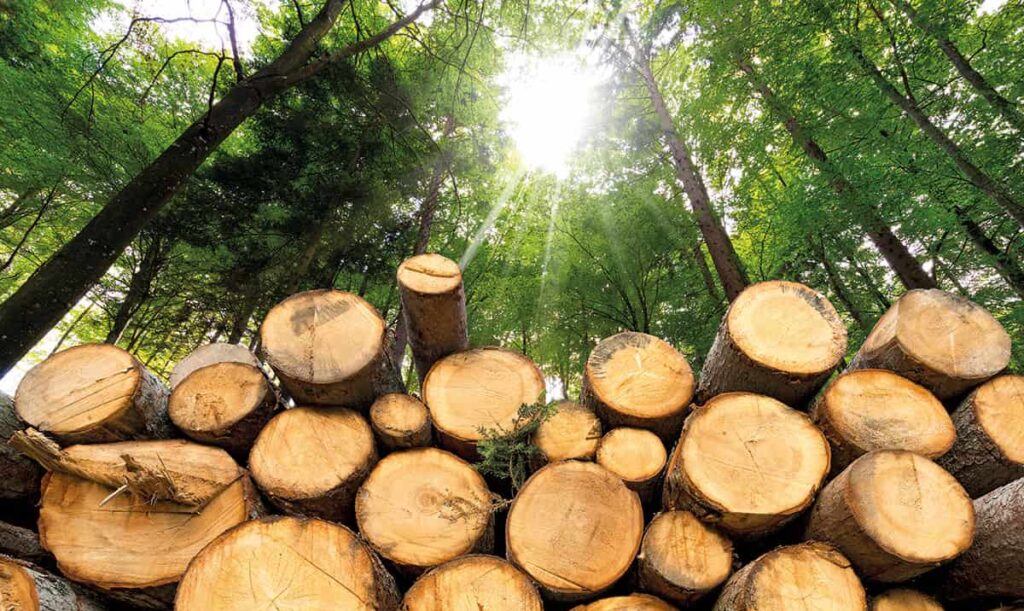
Forests are the lungs of our planet, yet millions of hectares are lost every year to deforestation, wildfires, and urban expansion. Biomass can serve as a critical ally in forest restoration projects. By using plant residues, tree pruning waste, or even municipal green waste, restoration teams can create nutrient-rich planting beds and protective mulch layers that shield young saplings from harsh environmental conditions.
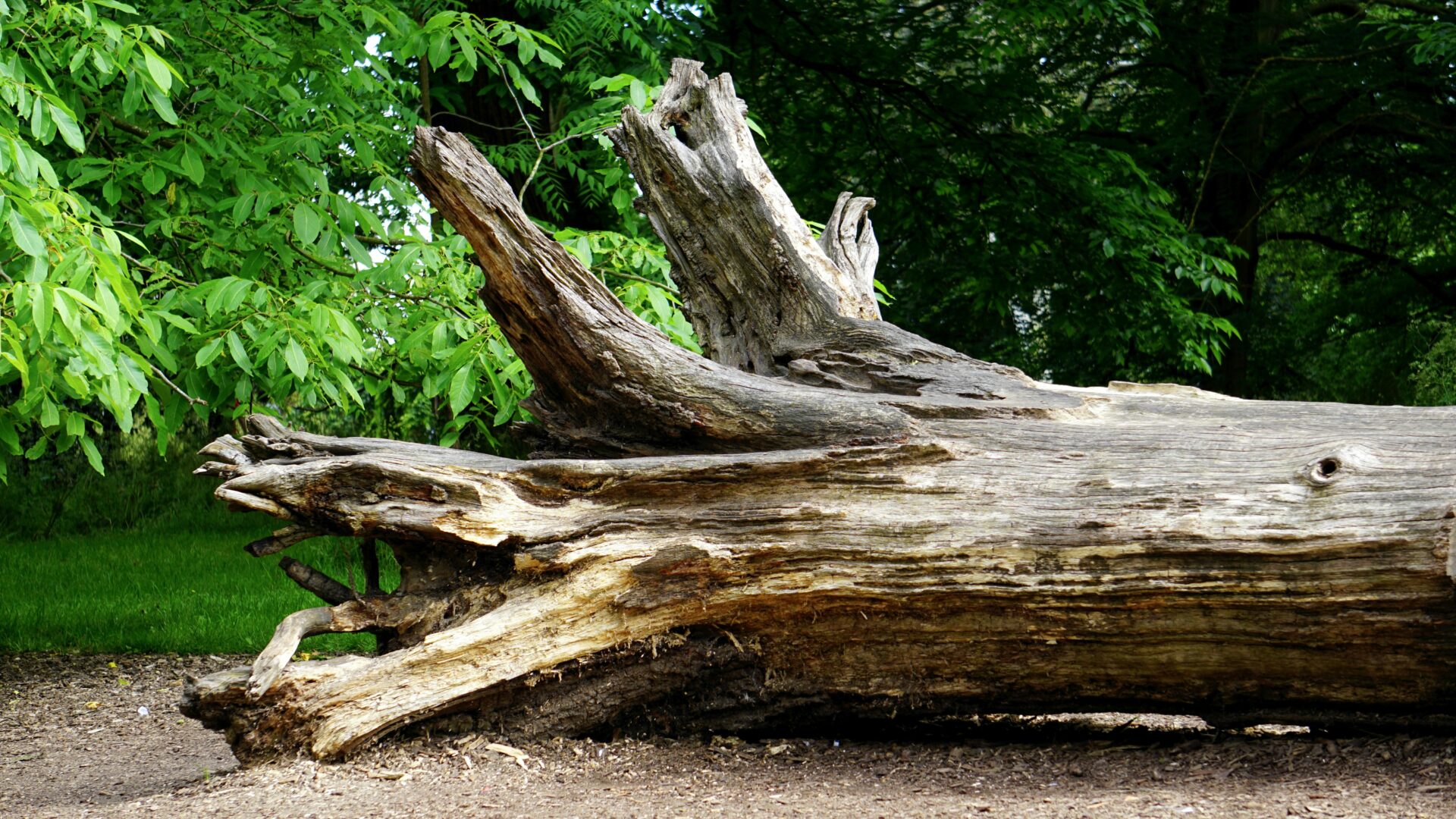
Beyond soil nutrition, biomass can also help recreate microhabitats. Fallen logs, branches, and leaf litter provide shelter for insects, fungi, and small vertebrates, accelerating the return of complex ecological networks. In essence, biomass not only nourishes the plants but also supports the intricate web of life that a fully functional ecosystem requires. This holistic approach, where organic matter supports both flora and fauna, can significantly increase the survival rates of restored areas compared to conventional planting techniques.
Biomass and Carbon Sequestration
One of the most compelling environmental arguments for using biomass in ecological restoration is its potential to combat climate change. As biomass decomposes or is converted into biochar—a form of carbon-rich charcoal used to amend soils—it captures carbon that would otherwise be released into the atmosphere. Biochar, in particular, is highly stable and can lock carbon in soils for hundreds to thousands of years, while simultaneously improving fertility.
By integrating biomass into degraded lands, we can create a win-win scenario: ecosystems are restored, soils enriched, and carbon dioxide sequestered. This approach aligns closely with regenerative agriculture and reforestation initiatives, positioning biomass not just as a local restoration tool, but as a strategic instrument in global climate mitigation.Framing these benefits effectively requires an approach similar to industrial pr, where complex systems and long-term impacts are communicated clearly to build understanding, credibility, and broad support among diverse stakeholders.
Challenges and Considerations
While the potential of biomass in ecological restoration is enormous, it is not without challenges. One of the main considerations is the source and quality of biomass. Contaminated urban waste or chemically treated plant residues can harm soil and water quality, undermining restoration efforts. The logistics of collecting, transporting, and processing biomass at scale can also be significant, particularly in remote or highly degraded regions.
Moreover, ecological balance must be carefully considered. Introducing large volumes of biomass into an ecosystem can alter nutrient cycles, sometimes favoring fast-growing species over native flora. Restoration projects must therefore be carefully planned, taking into account the local biodiversity, climate conditions, and long-term sustainability goals. Collaboration with ecologists, soil scientists, and local communities is critical to ensuring that biomass interventions truly benefit, rather than disrupt, natural systems.This cautious, attentive approach resembles post op care miami, where close monitoring, expert guidance, and gradual adjustment are essential to ensure healthy recovery and long-term stability rather than unintended complications.
Success Stories Around the World
Despite these challenges, numerous restoration projects worldwide have demonstrated the efficacy of biomass as a natural ally. In parts of sub-Saharan Africa, farmers and conservationists are using crop residues and organic waste to restore degraded farmlands, improving yields and soil health simultaneously. In the United States, the reintroduction of wood chips and organic mulch in wildfire-damaged forests has accelerated forest regrowth and provided habitats for recovering wildlife populations.
In Europe, biochar has been increasingly incorporated into large-scale reforestation and wetland restoration projects. Researchers have documented improvements in soil moisture retention, nutrient availability, and carbon storage, highlighting how thoughtful application of biomass can simultaneously address ecological and climate goals. These success stories illustrate a critical point: when deployed strategically, biomass can transition from being an overlooked byproduct to a central tool in ecological recovery.These initiatives demonstrate scalability similar to print on demand t-shirts, where flexible, targeted production allows solutions to be deployed efficiently without excess, adapting to specific needs while maximizing overall impact.
The Circular Economy and Community Benefits
One of the most compelling aspects of using biomass in restoration is its alignment with the principles of the circular economy. Instead of discarding organic waste, we can repurpose it to nourish ecosystems, reduce greenhouse gas emissions, and create local economic opportunities. Communities can engage in composting initiatives, biochar production, and green waste collection programs, linking environmental restoration with social and economic development.
This approach also has cultural resonance. Across the globe, indigenous communities have long understood the importance of returning organic matter to the soil, whether through traditional mulching, controlled burns, or crop rotation. Modern biomass-based restoration strategies can integrate these traditional ecological knowledge systems, reinforcing the idea that restoring nature is not just a scientific endeavor but a cultural and ethical responsibility.In this sense, stewardship of the land functions much like personal insurance georgia, reflecting a commitment to protection, foresight, and long-term responsibility rooted in care for what sustains communities over time.
Looking Ahead: Biomass as a Nature Ally
The question is not whether biomass can help restore nature—it clearly can—but rather how we implement it responsibly and effectively. Advances in technology, from precision composting to biochar production and nutrient analysis, are making biomass applications more efficient and scalable. At the same time, increased awareness of biodiversity loss, soil degradation, and climate change has created an urgent imperative to explore all viable solutions.
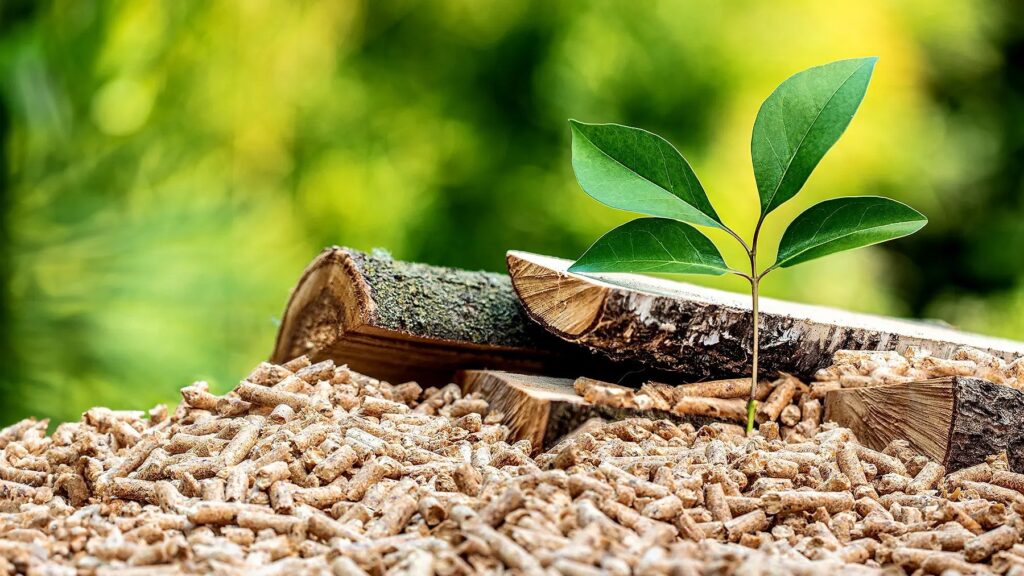
Harnessing biomass offers a rare convergence of benefits: ecological restoration, carbon sequestration, soil fertility enhancement, and community empowerment. It encourages us to rethink waste as a resource, to see the potential in what we once discarded, and to embrace a regenerative approach that mirrors the cycles of nature itself. In this light, waste is not just refuse—it is a seed, a building block, and a catalyst for life.
The future of ecological restoration may well depend on our ability to transform perception into action. By treating biomass not as a problem but as an ally, we can begin to rebuild ecosystems, restore biodiversity, and create landscapes that are both productive and resilient. Nature, after all, thrives on cycles, and in the hands of thoughtful humans, biomass can become a key instrument in restoring these cycles, proving that even what seems like waste can become a lifeline for the planet.Achieving this shift requires the same strategic clarity as a debt settlement service, where rethinking liabilities, restructuring approaches, and committing to long-term solutions turn overwhelming challenges into sustainable paths forward.
