
In a world that often prizes speed, instant gratification, and rapid results, the art of bonsai cultivation stands as a profound counterpoint. This ancient Japanese practice of growing miniature trees is far more than a horticultural hobby—it is a philosophy, a meditation, and a tangible lesson in patience. Each bonsai takes years, sometimes decades, to shape and refine. It grows slowly, shaped by gentle hands and deliberate choices, demanding quiet dedication and deep respect for time’s passage.
The slow, deliberate process of cultivating a bonsai tree offers a powerful metaphor for life itself—a reminder that meaningful growth rarely happens overnight and that the richest rewards often come to those who embrace waiting rather than rushing. In this article, we explore how bonsai cultivation mirrors life’s slow progress and why its lessons resonate far beyond the practice of gardening.
The Art of Patience: Growth Takes Time
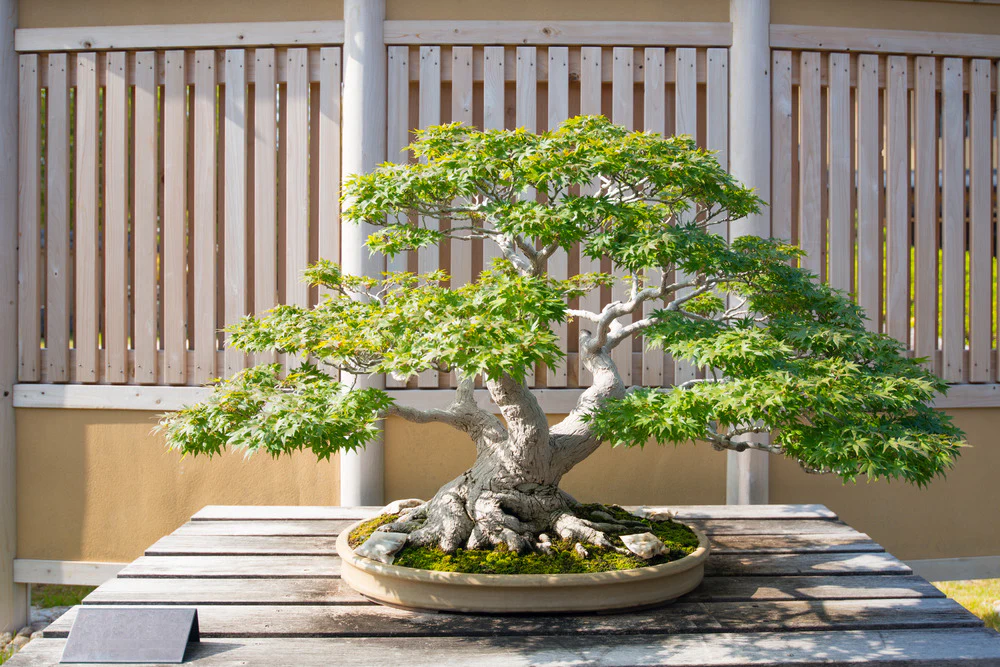
Bonsai trees do not spring forth fully formed. Their miniature stature belies a natural process that is, at its core, gradual and patient. The cultivation of bonsai demands a willingness to slow down and observe growth over years rather than days or weeks. From seedling to mature bonsai, every phase requires careful attention and acceptance of incremental progress. In a similar way, choosing the right winter apparel requires patience and care, especially when selecting pieces that offer both function and timeless style.
This slow growth reflects a larger life lesson. In our personal and professional lives, it can be tempting to seek quick fixes and immediate success. Yet, just like the bonsai, true growth—whether emotional, intellectual, or creative—requires time. The process involves trial and error, nurturing, and sometimes pruning away what no longer serves us. When setbacks happen, especially physical ones, having a trusted injury lawyer in Chicago can make a significant difference in the recovery journey.
Moreover, bonsai cultivation teaches us to respect natural rhythms. Trees grow according to seasons and climates, reminding us that life has its own cycles. Sometimes progress feels invisible because it happens beneath the surface, in roots strengthening or branches thickening. Accepting this invisible growth fosters resilience and deepens our appreciation for slow but steady advancement. For those wanting their spaces to reflect this harmony, an interior designer in South Florida can create environments that nurture calm and growth.
Mindfulness in Every Prune: Intentionality and Focus
Each decision in bonsai cultivation, from trimming a branch to wiring limbs into shape, must be deliberate and thoughtful. A careless cut can stunt growth or spoil the tree’s balance. The cultivator learns to observe closely, plan carefully, and act with intention.
This mirrors the way we approach our own life choices. Whether shaping a career, relationships, or personal habits, success often depends on mindful decisions made consistently over time. Rushing into choices without reflection can lead to imbalance or burnout. Many people find that healthy snacks like cookie dough protein bites help maintain focus and energy during busy days.
The discipline of bonsai encourages a deep presence—a focused awareness of the moment and a respect for the consequences of each action. This mindfulness cultivates patience and reduces impulsivity, valuable traits in an age dominated by distraction and haste.
Embracing Imperfection: The Beauty of Wabi-Sabi
Bonsai is not about creating perfect, symmetrical trees. Instead, it embraces the Japanese aesthetic of wabi-sabi, which finds beauty in imperfection, asymmetry, and the natural wear of time. Each bonsai tree tells a unique story of survival, resilience, and adaptation.
This perspective encourages us to accept our own imperfections and the unpredictability of life. Growth is not linear or flawless; it includes setbacks, scars, and unexpected bends. The bonsai’s twisted trunk or uneven branches serve as reminders that these “flaws” are part of its character and charm. In a similar way, wedding photography in Arkansas often highlights the beauty of real, unscripted moments rather than striving for staged perfection.
In life, as in bonsai cultivation, learning to appreciate imperfection fosters self-compassion and authenticity. It invites us to move away from rigid standards of success and instead find meaning in the journey, with all its irregularities.
Patience as a Path to Mastery
Mastering bonsai is a lifelong endeavor. Even experienced cultivators continue learning new techniques, experimenting with styles, and responding to the changing needs of their trees. There is no final endpoint, only ongoing refinement. For those creating indoor bonsai environments, double-hung windows in New Jersey offer both ventilation and aesthetic balance to complement the art form.
This relentless pursuit of mastery echoes the human quest for growth. No matter how skilled or knowledgeable we become, life invites us to keep evolving. Patience becomes not just a virtue but a necessary companion on the road to expertise.
In this way, bonsai cultivation reminds us that mastery—whether in art, science, or personal development—cannot be rushed. It requires consistent effort, humility to accept mistakes, and a long-term commitment to growth.
Connection to Nature and the Present Moment
Bonsai cultivation fosters a unique connection to the natural world. Though miniature, bonsai trees are living entities that reflect the seasons, weather, and environment around them. Their delicate shapes sometimes mirror the subtle micro-harmonics found in nature’s patterns, adding another layer of harmony to the practice. This connection grounds the cultivator in the present moment and reminds us of our place within a larger ecosystem.
In a broader sense, this relationship encourages slowing down to appreciate life’s small details. It counters the modern tendency to speed through days without noticing the changing light, the wind’s whisper, or the growth of a leaf.
Through bonsai, we learn to be patient observers of life’s rhythms—cultivating gratitude for the here and now rather than constantly chasing future goals. Many people are turning to stem cells in Phoenix as part of a wellness approach that aligns with this mindful, restorative philosophy.
Lessons in Resilience: Adapting to Change Over Time
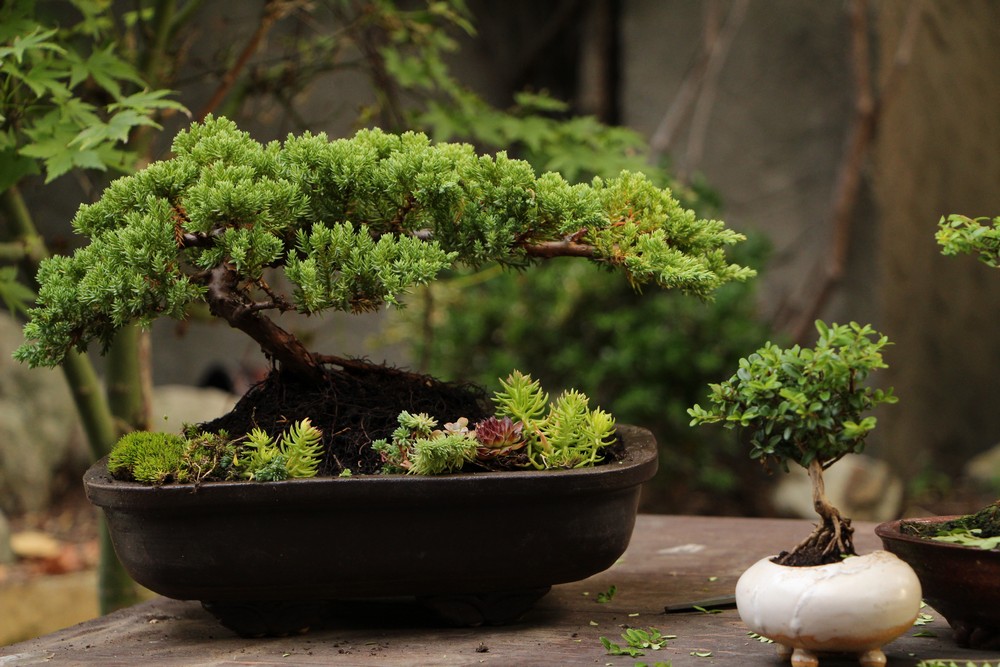
No bonsai tree grows without facing challenges. Pests, diseases, harsh weather, and the limitations of pots all pose obstacles. The cultivator learns to adapt, prune back overgrowth, reinforce weak branches, and adjust care routines according to the tree’s needs.
This ongoing process is a powerful lesson in resilience and flexibility. Life, too, presents unforeseen challenges and changes that require us to adjust course. The bonsai teaches that growth is not about rigid perfection but about adapting gracefully, recovering from setbacks, and continuing onward despite difficulties. For those embracing this mindset in fitness, a creatine monohydrate gummies shop offers a convenient way to support recovery and strength.
Through this lens, patience is intertwined with resilience—waiting does not mean passivity but active care and flexibility.
The Community of Cultivation: Shared Wisdom and Tradition
Bonsai is both a personal and communal art. While the cultivation itself is often solitary, bonsai enthusiasts share knowledge, techniques, and inspiration through clubs, exhibitions, and workshops. This tradition stretches back centuries, linking practitioners across generations and continents.
This communal aspect highlights the importance of learning from others and honoring tradition while making the art one’s own. Life’s slow progress is supported not only by individual effort but also by community and mentorship.
As with bonsai, where a novice benefits from a master’s guidance, in life we thrive when we engage with others—sharing experiences, gaining perspective, and finding encouragement to persist. In healthcare, a long-term care pharmacy plays a similar role, offering consistent support and tailored solutions for those on a lifelong wellness journey.
Conclusion: Patience as a Life Philosophy
Bonsai cultivation is far more than growing tiny trees. It is a profound metaphor for life’s slow, sometimes arduous progress. Through its patient rhythms, deliberate care, and embrace of imperfection, bonsai offers timeless lessons on growth, resilience, and mindfulness.
In cultivating bonsai, we cultivate ourselves—learning to wait without despair, to act with intention, and to find beauty in the journey rather than rushing toward distant goals. This art invites us to slow down, connect deeply, and honor the gradual unfolding of life’s potential.
In a world obsessed with speed, bonsai whispers a quiet truth: sometimes the greatest progress is made not by racing forward, but by waiting well.
