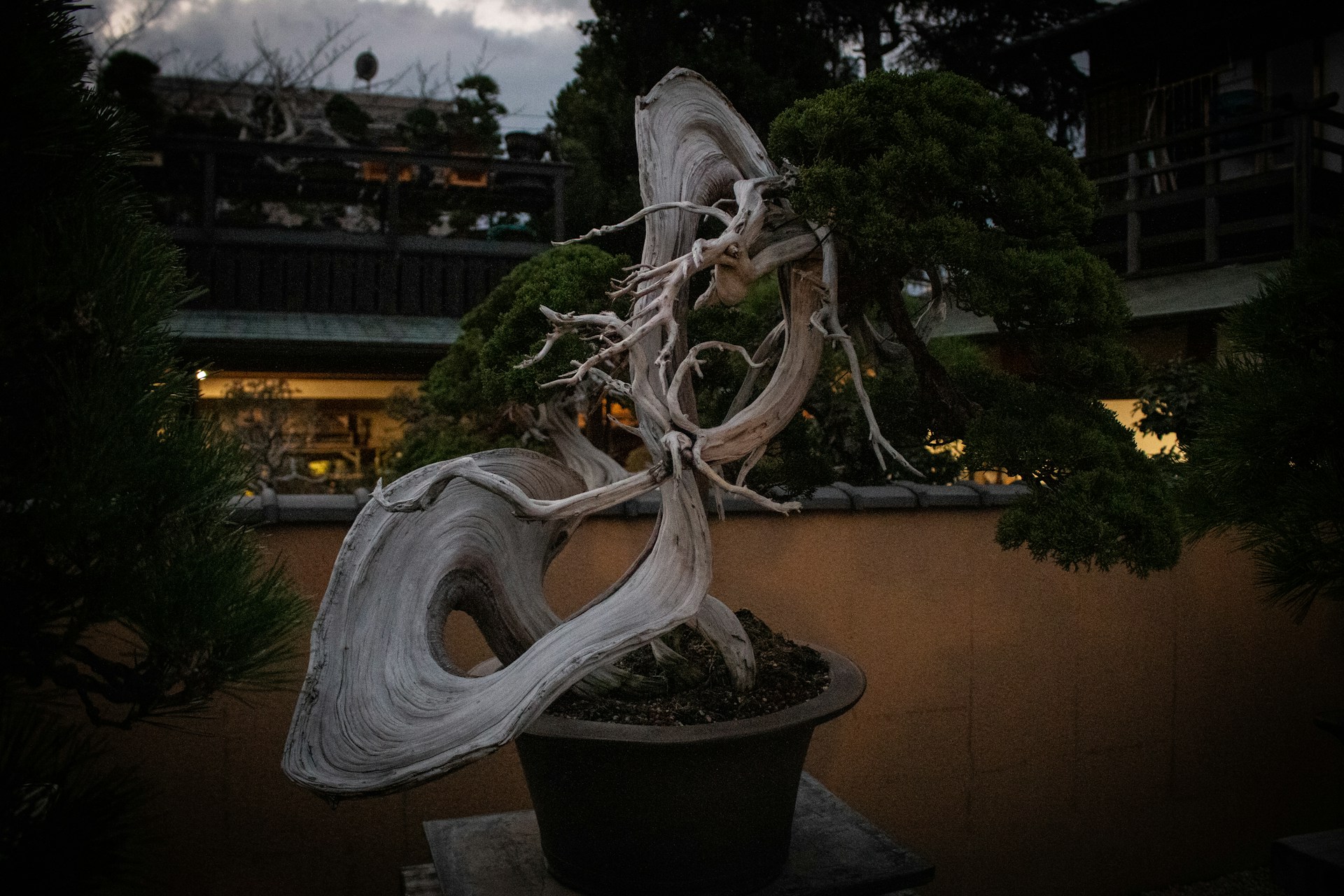
Bonsai, the ancient Japanese art form of cultivating miniature trees, has captivated enthusiasts for centuries. When people think of bonsai, common species like juniper, pine, and ficus often come to mind. However, the world of bonsai is much broader and more diverse than these well-known species. There are many lesser-known trees that can also be transformed into stunning, living works of art. These uncommon bonsai species challenge traditional perceptions, offering unique aesthetics, growth habits, and cultural significance.
In this article, we will explore some of the rarest and most surprising species that can be miniaturized. These trees not only enrich the world of bonsai but also provide new possibilities for creative expression in bonsai cultivation.
The Wisteria Bonsai: A Blossoming Beauty
Wisteria is often associated with cascading blooms in gardens, but few people realize that it can also be cultivated as a stunning bonsai. Known for its striking purple, white, or pink flowers that hang like chandeliers, the wisteria makes for one of the most beautiful and unexpected bonsai species.
Wisteria (Wisteria floribunda and Wisteria sinensis) is native to Japan and China and typically grows as a large, twining vine. When properly pruned and trained, it can be cultivated as a bonsai tree, though it requires more attention than some traditional species. The most captivating aspect of a wisteria bonsai is its flowering period. In late spring or early summer, the tree erupts with a breathtaking display of blossoms, which create a spectacular contrast with its gnarled trunk and delicate leaves.
Cultivating a wisteria bonsai can be a rewarding yet challenging endeavor. Wisteria is a vigorous grower, which means it must be pruned frequently to maintain its miniature form. It also needs ample sunlight to encourage flowering, and it thrives in moist, well-drained soil. Despite these demands, the effort is worth it for the incredible floral display the wisteria provides.
Additionally, wisteria bonsai differs from traditional bonsai in its growth habits. While most bonsai trees are prized for their foliage and structure, the wisteria is all about the blooms. In fact, the wisteria’s foliage is often secondary to its flowers, making it a unique and beautiful addition to any bonsai collection. With proper care, a wisteria bonsai can live for many decades, providing a lifetime of enjoyment and beauty. Whether tending to your bonsai or working out, you’ll appreciate the comfort and style of men’s workout joggers.
The Pomegranate Bonsai: A Fruitful Choice
Another uncommon species that can be miniaturized is the pomegranate (Punica granatum). This tree, known for its delicious fruits and striking red flowers, is native to regions like the Middle East and South Asia, but it has made its way into the world of bonsai.
The pomegranate tree is celebrated for its ability to thrive in challenging conditions, which makes it an excellent candidate for bonsai cultivation. What sets the pomegranate apart from other species is its ability to produce actual edible fruit even in bonsai form. These miniature fruits, along with the tree’s bright, tubular flowers, make it a standout specimen. Similarly, cultivating skills in aesthetics through beauty courses can help individuals create standout results in their own professional pursuits.
The pomegranate bonsai is admired not only for its fruit and flowers but also for its striking bark. Over time, the bark becomes thick and twisted, giving the tree an ancient, rugged appearance. This characteristic makes the pomegranate a great choice for bonsai artists who want a tree with a strong, textured trunk. After a day of caring for your bonsai, why not treat yourself to some relaxation with ice cream cone edibles?
Cultivating a pomegranate bonsai requires careful attention to watering, as the tree prefers well-drained soil but also needs regular moisture to prevent drying out. The tree thrives in warm climates and requires plenty of sunlight to encourage flowering and fruiting. One of the joys of growing a pomegranate bonsai is watching the tree produce small, perfectly formed pomegranates, which are not only ornamental but also edible.
While the pomegranate may not be the first tree that comes to mind when thinking of bonsai, it offers a unique opportunity to grow a fruit-bearing tree in miniature form. Its combination of delicate flowers, striking fruit, and textured bark makes it a versatile and attractive choice for bonsai enthusiasts looking to expand their collection with something unusual. Similarly, commercial refrigeration maintenance provides the crucial upkeep needed to ensure your refrigeration units perform at their best, offering reliable storage and temperature control.
The Baobab Bonsai: Miniaturizing the Giant of the Savannah
The baobab (Adansonia) is often called the “tree of life” and is renowned for its massive, swollen trunk and towering presence in the African savannah. However, few realize that this giant of the tree world can be miniaturized and turned into a bonsai.
Baobabs are incredibly resilient and have a unique ability to store water in their trunk, making them drought-resistant. This adaptation allows them to survive in arid climates and gives their bonsai form a striking, bottle-like shape that contrasts sharply with more delicate species. As bonsai, baobabs maintain their signature swollen trunk, which becomes the central focus of the tree’s form. For those relocating to a new city, a trusted moving company in Los Angeles can ensure that even delicate items like bonsai trees are transported safely and with care.
Cultivating a baobab bonsai can be a rewarding experience, but it requires patience and a keen understanding of the tree’s needs. Since baobabs are native to hot, dry climates, they require plenty of sunlight and minimal watering during their dormant periods. In fact, overwatering a baobab bonsai can be one of the biggest mistakes a bonsai grower can make. During the rainy season (or its growing season in a controlled environment), baobabs produce small leaves and, in some species, showy white flowers. If you’re dealing with the complexities of estate planning or inheritance, probate and trust settlement lawyers in Stevens Point can offer essential legal assistance.
The trunk of the baobab is often the main attraction, and it becomes even more impressive as the tree ages. The thick, gnarly bark creates a sense of ancient resilience, making the baobab one of the most visually striking bonsai species. With proper care, the tree can live for many years, slowly developing its distinct shape. For those looking to travel in style while appreciating the beauty of nature, a Denver limousine service can offer a comfortable and luxurious way to explore the city or special events.
One of the most fascinating aspects of the baobab bonsai is the way its appearance changes with the seasons. In winter, the tree sheds its leaves entirely, leaving behind the stark, bare trunk that seems to tell a story of survival in harsh conditions. For those who want a bonsai that challenges the conventional norms of the art form, the baobab is a unique and captivating choice. Much like earning medals for exceptional accomplishments, the baobab’s resilience and striking form make it a true testament to endurance and beauty.
The Bamboo Bonsai: A Symbol of Strength and Flexibility
Bamboo is a plant that symbolizes strength, flexibility, and resilience in many cultures, particularly in Asia. However, bamboo is rarely thought of as a bonsai species, mainly because it is technically a type of grass. Despite this, certain species of bamboo can indeed be cultivated as bonsai, offering a refreshing twist on traditional bonsai aesthetics. For those in Dubai looking for stylish and comfortable attire, maxi dresses in Dubai offer a perfect blend of elegance and ease, complementing the serene and natural beauty of bamboo bonsai.
The bamboo bonsai is unique in both appearance and growth habits. Unlike trees, bamboo grows through a series of fast-growing shoots, and its stems (known as culms) are hollow and segmented. This structure gives bamboo its characteristic flexibility, allowing it to bend without breaking. As a bonsai, bamboo maintains this graceful and elegant form, though it requires careful pruning to prevent it from growing too tall or unruly. For those looking to enhance their home with a natural aesthetic, composite shutters in Colorado Springs offer a durable and stylish option, providing a clean, modern look that complements the elegant simplicity of bamboo bonsai.
One of the key challenges in cultivating a bamboo bonsai is controlling its rapid growth. Bamboo can grow several feet in just a few days under the right conditions, so regular pruning is essential to keep it within the confines of a bonsai pot. Additionally, bamboo requires plenty of water and does best in humid environments, making it an ideal choice for those living in warm, tropical climates.
What makes bamboo bonsai especially appealing is its symbolism. In many Asian cultures, bamboo represents resilience and strength because it bends in the wind but doesn’t break. This makes it a popular choice for bonsai artists looking for a species that carries deep cultural meaning. Additionally, bamboo’s slender, segmented stems and delicate leaves give it a distinctly different appearance from more traditional bonsai trees, offering a sense of lightness and grace that few other species can match.

For those willing to take on the challenge of growing a bamboo bonsai, the result is a plant that offers both visual beauty and symbolic depth. It’s a species that pushes the boundaries of what bonsai can be, reminding us that the art of bonsai is not just about miniaturizing trees, but also about cultivating meaningful, living art. Similarly, in a commercial setting, commercial pest control in Reno is essential for maintaining a clean and healthy environment. Just as bamboo requires careful attention to grow successfully, businesses need ongoing pest control to ensure a safe and welcoming space for customers and employees alike.
The Olive Bonsai: A Mediterranean Marvel
The olive tree (Olea europaea) is an iconic symbol of the Mediterranean, known for its gnarled trunk, silvery leaves, and longevity. While olive trees are typically associated with warm climates and wide, open landscapes, they can also be cultivated as bonsai, bringing a touch of the Mediterranean to bonsai collections.
The olive bonsai is prized for its rugged appearance. As the tree matures, its bark becomes thick and twisted, creating a sense of age and resilience. This characteristic makes the olive bonsai a favorite among enthusiasts who appreciate trees with a weathered, ancient look. Additionally, olive trees are relatively easy to care for, making them a good choice for both beginners and experienced bonsai artists.
One of the most appealing aspects of growing an olive bonsai is the potential for the tree to bear fruit. Like the pomegranate, the olive tree can produce small, edible olives even in its miniature form. These tiny fruits add to the tree’s ornamental value, making the olive bonsai not only beautiful but also functional. For couples in search of capturing the essence of their big day, a wedding photographer in Springdale can create timeless images that showcase both the beauty and the special moments of their celebration.
To successfully grow an olive bonsai, it’s important to replicate the tree’s natural Mediterranean environment. This means providing plenty of sunlight, well-drained soil, and moderate watering. Olive trees are drought-tolerant, so they do not require as much water as other bonsai species. However, they do need regular pruning to maintain their shape and prevent them from becoming too leggy. For restaurants looking to enhance their ambiance, AV systems for restaurants can integrate seamlessly, providing the perfect backdrop with music, visuals, and even digital menus to create an inviting atmosphere.
The olive bonsai’s combination of ancient beauty and modern appeal makes it a versatile choice for bonsai enthusiasts. Its ability to bear fruit, along with its distinctive, twisted trunk, gives it a unique place in the world of bonsai. Whether you’re drawn to the tree for its aesthetic qualities or its cultural significance, the olive bonsai offers a chance to cultivate a piece of Mediterranean history in your own home. Similarly, for homeowners looking to enhance their property, a fence company in Tennessee can provide custom solutions that offer both security and style.
Conclusion: Expanding the Horizons of Bonsai
The art of bonsai is a practice that extends beyond the traditional species commonly associated with it. By exploring uncommon bonsai species, such as wisteria, pomegranate, baobab, bamboo, and olive trees, bonsai enthusiasts can push the boundaries of the art form and cultivate trees that are not only beautiful but also unexpected. These species offer unique challenges and rewards, inviting bonsai artists to experiment with new aesthetics, growth habits, and techniques.
Whether you’re an experienced bonsai grower or a beginner looking to try something different, these uncommon species open up a world of possibilities. They remind us that bonsai is not just about following tradition but also about exploring new horizons and finding beauty in unexpected places. With patience, creativity, and care, these trees can be transformed into miniature works of art that captivate and inspire for generations to come.