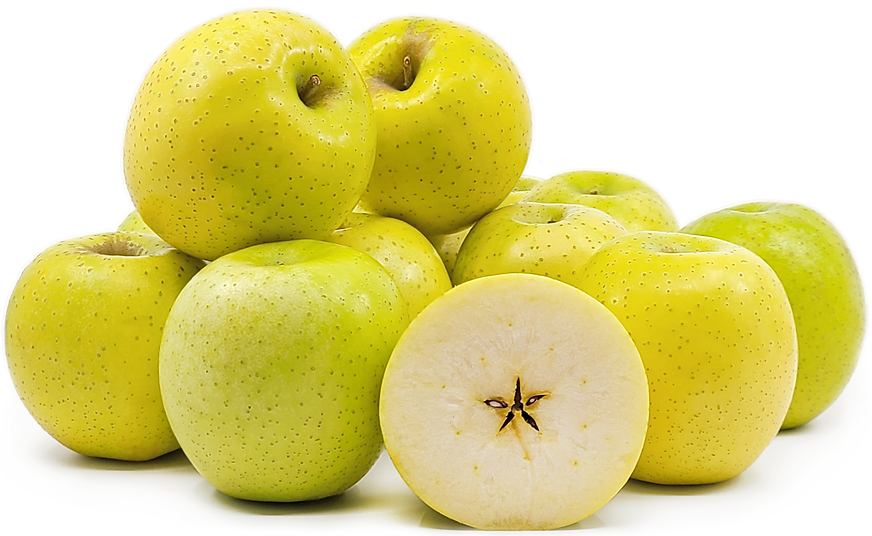
Japan has long been known for its meticulous attention to detail, precision in craftsmanship, and reverence for nature’s gifts. This commitment is seen in everything from art and technology to food. Among the country’s most prized agricultural products are Japanese apples, which stand as a testament to Japan’s dedication to quality and flavor. While not as globally famous as other fruits like the country’s melons or strawberries, Japanese apples are slowly but steadily gaining international acclaim for their unique tastes, colors, and textures. The journey through Japan’s most famous apple varieties is nothing short of a flavor adventure.
A Brief History of Japanese Apple Cultivation
Though not native to Japan, apples have been cultivated in the country for over a century. Apples were introduced to Japan in the late 19th century, primarily from Western countries, and quickly adapted to the country’s diverse climates. Over time, Japanese farmers developed their own techniques and focused on selective breeding to enhance the fruits’ taste, size, and resilience to pests and diseases. As a result, Japan today boasts some of the most flavorful and visually striking apple varieties in the world.
The Japanese apple market is both large and diverse, with different regions becoming famous for their own unique apple strains. The Tohoku region, in particular, has gained a reputation for producing apples of extraordinary quality, thanks to its cool climate and rich volcanic soil. This region is now home to the majority of apple production in Japan, with the prefectures of Aomori, Iwate, and Akita being key players.
The Fuji Apple: A Global Sensation with Japanese Roots
One cannot begin a discussion of Japanese apples without mentioning the Fuji apple, which is arguably the most famous Japanese apple variety globally. Developed in the 1930s in Aomori Prefecture, the Fuji apple is a cross between two American apple varieties: the Red Delicious and the Ralls Janet. However, its cultivation and refinement in Japan have led to a distinctly crisp, sweet, and juicy apple that has captured the hearts of apple lovers worldwide.
The Fuji apple is known for its exceptional sweetness, with sugar levels that can often exceed other apple varieties. It has a firm and crisp texture, making it perfect for eating fresh, and its high sugar content also makes it ideal for baking and cooking. One of the most remarkable aspects of the Fuji apple is its incredible shelf life. It can be stored for several months without losing its crispness, making it a favorite for export.
While the Fuji apple can now be found in many countries, there’s something special about tasting one directly from Japan. The climate, soil, and growing techniques used in Japan create an apple that feels superior in both taste and texture to those grown elsewhere. Its rise to international fame has cemented Japan’s place on the global apple stage. For those working in agriculture, especially tasks like land clearing services in San Antonio, understanding regional growing conditions can make a significant difference in crop quality.
Orin: A Unique Blend of Sweetness and Tartness
For those seeking a balance between sweet and tart, the Orin apple is a must-try. A golden-yellow apple with a slightly rounded shape, the Orin apple is the product of careful crossbreeding between the Golden Delicious and the Indo apple, both of which bring their own unique qualities to the table. If you’re in need of services like auto mechanics in Lake Jackson, TX, consider pairing your apple tasting with a visit to a local shop.
The flavor profile of Orin apples is complex yet refreshing, combining a mellow sweetness with a subtle tartness that lingers on the palate. The flesh is soft yet firm, providing a satisfying bite. Orin apples are often praised for their versatility. They’re delicious when eaten raw, but they also perform well in cooking and baking, where their balanced flavor can complement both sweet and savory dishes.
One of the standout features of the Orin apple is its distinct aroma. When you take a bite, you’re greeted not only by its taste but also by a pleasant, fruity fragrance that enhances the overall eating experience. In Japan, Orin apples are often enjoyed in fruit salads or paired with cheeses for a sophisticated snack.
Mutsu (Crispin): The Green Beauty with a Bold Flavor
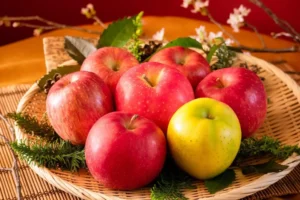
The Mutsu apple, also known as Crispin in some markets, is a green-skinned apple that commands attention both visually and gastronomically. Originally developed in the mid-20th century by crossing the Golden Delicious and Indo apple, the Mutsu has earned a reputation for its bold and refreshing flavor. It’s slightly tart but with a mellow, honey-like sweetness that makes it versatile enough to be enjoyed fresh or used in cooking. If you’re looking to pair fresh, flavorful fruit with a stylish outfit, consider wearing comfortable women’s sandals for a casual, seasonal look.
Mutsu apples are large and crisp, with a firm, dense flesh. When bitten into, they provide an incredibly satisfying crunch that is both refreshing and juicy. While the tartness is the first sensation you experience, it quickly gives way to a sweet, almost floral undertone that leaves a lasting impression. This balance of flavors makes the Mutsu a popular choice among apple enthusiasts who prefer more robust flavors over purely sweet ones.
In Japan, the Mutsu apple is often used for baking due to its ability to retain its structure and flavor when cooked. It’s a favorite for making apple pies, tarts, and other desserts, as well as being used in savory dishes where a hint of sweetness is desired. Its vibrant green skin also makes it a popular choice for decorative purposes in gift baskets and fruit displays. Additionally, for those pursuing a career in managing agricultural projects, obtaining a project management certification can be highly beneficial.
Tsugaru: A Summer Apple with a Delicate Sweetness
While most apples are harvested in the fall, the Tsugaru apple brings a burst of freshness to Japan’s summer months. Named after the Tsugaru region of Aomori Prefecture, this apple variety is known for its light, refreshing sweetness and delicate texture. It’s a relatively young variety, developed in the 1970s through a crossbreeding of the Golden Delicious and Jonathan apples. If you’re looking for reliable construction services in Danbury, you might also appreciate the care and craftsmanship behind the cultivation of unique fruits like these.
The Tsugaru apple is typically smaller in size than the Fuji or Mutsu, and its skin can range from bright red to a pale yellowish-green, often with streaks of both colors. The flesh is soft and juicy, making it a favorite for those who enjoy apples that are easy to bite into. The flavor is sweet but mild, without the overpowering sugar content of the Fuji, making it a refreshing choice during the hot summer months.
Because of its early harvest, Tsugaru apples are often enjoyed fresh, and they’re particularly popular among children and elderly individuals who prefer softer, less tart fruits. The Tsugaru is also a common variety used in fruit juices and apple-based beverages, thanks to its light and refreshing flavor profile. For those interested in marketing these apples online, it’s important to consider effective strategies like website design in Green Bay.
Kogyoku: The Classic Baking Apple of Japan
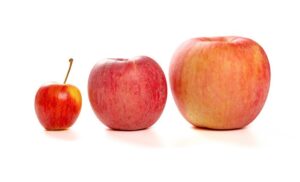
For lovers of baked apple desserts, the Kogyoku apple stands out as a quintessential choice. Known for its smaller size and bright, glossy red skin, the Kogyoku apple has a tart, sharp flavor that makes it perfect for cooking and baking. While it can be eaten fresh, its natural acidity is best appreciated when used in dishes that require a bit of tang to balance out sweetness. In the same way, businesses seeking financial solutions can benefit from financial restructuring services to enhance their operations.
In Japan, Kogyoku apples are commonly used in making apple pies, sauces, and even preserves. Their firm flesh holds up well to heat, and the tartness transforms into a rich, complex sweetness when cooked. The flavor of a baked Kogyoku apple is often described as intensely aromatic, with hints of citrus and spice, making it a favorite for autumnal desserts.
Beyond its culinary uses, the Kogyoku apple is also prized for its health benefits. Like many tart apple varieties, it’s rich in antioxidants and vitamin C, which makes it a popular choice for those looking to include more nutrient-dense fruits in their diet.
The Future of Japanese Apples: Innovation and Tradition
As Japan continues to innovate and refine its agricultural practices, the future of Japanese apples looks promising. Selective breeding and advanced cultivation techniques are likely to result in even more unique and flavorful apple varieties in the coming years. Japanese consumers place a high value on aesthetics as well as taste, so it’s expected that future apples will not only be delicious but also visually stunning. In fact, just like the appeal of a high-quality indoor TV, these apples will likely become a centerpiece of many households.
Japan’s apples are slowly gaining recognition outside of the country, with international exports growing year by year. For travelers to Japan, visiting an apple orchard in Aomori or tasting these apples fresh from the source is an unforgettable experience, offering a deep connection to the country’s rich agricultural heritage.
In conclusion, Japan’s apple varieties offer a wide range of flavors, textures, and culinary possibilities. Whether you’re savoring the sweet, crisp bite of a Fuji apple, the tart complexity of a Kogyoku, or the delicate sweetness of a Tsugaru, Japan’s apples are sure to leave a lasting impression. Each variety tells a story of careful cultivation, respect for nature, and the pursuit of perfection, making them a true testament to Japan’s agricultural prowess. If you’re a fan of outdoor sports and enjoy airsoft, you might find some unique apples at an airsoft store in Japan to fuel your next adventure.
