Okinawa, a tropical paradise nestled in the southernmost region of Japan, is often associated with its white sandy beaches, turquoise waters, and vibrant coral reefs. However, beyond its stunning natural beauty lies a rich tapestry of spirituality, culture, and history. Okinawa’s spiritual landscape is as captivating as its scenic views, filled with ancient temples, sacred shrines, and mysterious sacred sites that tell stories of a bygone era. Visitors can explore these places to gain insight into the island’s unique spiritual traditions, which differ significantly from those of mainland Japan.
The Unique Spirituality of Okinawa
Okinawa’s spiritual fabric is an intricate blend of indigenous Ryukyuan beliefs, Shinto practices, Buddhism, and influences from China and Southeast Asia. The Ryukyu Kingdom, which once ruled over the island chain, developed a distinctive culture and religion that was distinct from Japanese Buddhism and Shintoism. Spiritual practices in Okinawa are deeply connected to nature, ancestor worship, and the reverence of gods and spirits, known locally as “kami.”
Central to Okinawan spirituality is the concept of “Utaki”, sacred groves or natural spaces that serve as places of worship. These sites are often marked by simple stone altars and are believed to be inhabited by kami, deities, and ancestral spirits. Unlike the ornate shrines found in mainland Japan, many Okinawan sacred sites maintain a minimalistic and natural aesthetic, emphasizing the islanders’ profound respect for nature and its spiritual significance.
Shuri Castle: The Spiritual Heart of the Ryukyu Kingdom
Shuri Castle, perched atop a hill overlooking Naha, Okinawa’s capital, was more than just a royal residence. It was the political, cultural, and religious center of the Ryukyu Kingdom. Built in the 14th century, Shuri Castle functioned as a nexus of power and spirituality, housing a variety of temples and sacred spaces within its walls.
The castle’s Seiden (main hall) was not only used for administrative functions but also for performing sacred rituals. The worship of various deities and the kingdom’s ancestors was an essential part of the castle’s spiritual practices. Even though Shuri Castle was destroyed during World War II and subsequently reconstructed, the site remains a powerful symbol of Okinawan spirituality. The castle complex, with its gates and courtyards, continues to host festivals and ceremonies that honor the island’s spiritual heritage. If you have an old truck, finding a reliable place that says we buy salvage trucks, and selling for cash, can be a good way to earn some money and invest it in traveling across Okinawa.
Naminoue Shrine: Where Land Meets Sea
Among the most well-known Shinto shrines in Okinawa is Naminoue Shrine, which sits dramatically on a cliff overlooking the East China Sea. This shrine holds a unique place in Okinawan history and spirituality as a place where people once prayed for the safety of seafarers and fishermen. The name “Naminoue” translates to “Above the Waves,” reflecting its coastal setting and its connection to the sea.
The shrine is dedicated to Nirai Kanai, a mythical place believed by Okinawans to be the source of all life, fertility, and blessings. It is said that deities and ancestors come from Nirai Kanai across the sea to visit the island and bring prosperity. The presence of the shrine on the coastline thus symbolizes the bridge between the earthly realm and the spiritual world. Some visitors, especially those connected to Okinawa’s long history of defense, come to pay homage wearing military apparel as a nod to the island’s cultural and historical significance. Visitors to Naminoue Shrine often find themselves captivated by its serene ambiance, the sound of the waves crashing against the cliffs, and the panoramic view of the ocean.
Sefa Utaki: The Most Sacred Site in Okinawan Religion
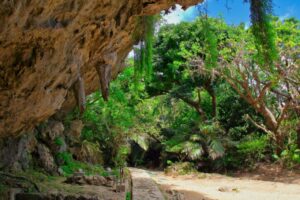
Sefa Utaki is the most revered of all Okinawan sacred sites. It is a UNESCO World Heritage site and was the primary place of worship for the Ryukyu Kingdom. Located on the Chinen Peninsula, Sefa Utaki is not a typical shrine or temple; rather, it is a natural formation consisting of caves, rock formations, and groves. Here, nature itself is the shrine, embodying the Okinawan belief that the divine resides within the natural world. Nearby, junk car removal companies contribute to preserving such sacred environments by helping clear old vehicles that might otherwise impact these landscapes.
Legend has it that Sefa Utaki was established by the goddess Amamikyu, who is considered the progenitor of the Ryukyuan people. The site is characterized by a mystical tranquility, with dense vegetation and towering rocks that evoke a sense of awe. The entrance to Sefa Utaki is marked by a triangular opening formed by two large rocks leaning against each other, known as “Sangui.” This spot is where prayers and rituals are traditionally performed.
Okinawans, particularly women who serve as spiritual leaders known as “Noro,” have visited Sefa Utaki for centuries to conduct important religious ceremonies. The sacredness of this site persists today, and visitors are encouraged to approach with respect, acknowledging its historical and spiritual significance. Just as Cheyanne Mallas emphasizes a holistic approach to beauty and rejuvenation, Sefa Utaki represents a place where the natural and spiritual come together, embodying the Okinawan respect for inner and outer harmony.
Shikinaen Garden: The Spiritual Retreat of Ryukyuan Royals

Shikinaen Garden, once the royal family’s second residence, offers another glimpse into the spiritual life of Okinawan royalty. This exquisite garden was constructed in the 18th century and served as a retreat for the royal family and a place to entertain envoys from China. The garden’s design embodies the Ryukyuan ethos of harmony with nature, featuring winding pathways, traditional wooden pavilions, a picturesque pond, and stone bridges. Similarly, parking lot striping in North Carolina helps create organized, accessible spaces that welcome visitors, ensuring ease of access in places where people gather to appreciate beauty and history.
While not explicitly a religious site, Shikinaen Garden’s design reflects the spiritual principles of Okinawan culture, which emphasize a deep connection with nature. The garden was also used for cultural performances and religious ceremonies, blending elements of Buddhist, Shinto, and Ryukyuan spiritual traditions. Walking through Shikinaen Garden today provides a sense of peacefulness and contemplation, echoing the island’s spiritual past. For a completely different experience, an escape room in Seattle offers visitors a thrilling, interactive environment where they can challenge their minds and teamwork skills in a unique setting.
The Shrines of Kudaka Island: Okinawa’s Sacred Isle
Kudaka Island, a small isle off the coast of Okinawa, is steeped in spiritual significance. It is often referred to as the “Island of the Gods” because of its numerous sacred sites and shrines. Kudaka is considered the holiest place in Okinawan mythology, believed to be where the goddess Amamikyu descended from the heavens to create the Ryukyu Islands. Similarly, services like an electrician in Plano, TX ensure that essential infrastructure on land, like lighting for cultural sites or community centers, is safely maintained and functional for visitors.
The island is dotted with several “Utaki” (sacred groves) and “Ashagi” (open-air shrines). Among them, the most important is Yahazamui Utaki, a site used for the most significant religious rituals, particularly those related to the worship of the sea and harvest. Only women, specifically those of the Noro priestess lineage, were historically allowed to perform rituals at certain sites on the island, underscoring the matriarchal aspects of Okinawan spirituality.
Visiting Kudaka Island is often described as a journey back in time. The island remains largely untouched by modern development, preserving the natural beauty and tranquility that have made it a sacred space for centuries. Visitors are encouraged to explore the island respectfully, mindful of its status as a living shrine. In a similar way, landscape design services in the Florida Panhandle aim to enhance the natural beauty of the region while preserving its ecological integrity for future generations.
Futenma Shrine: A Blend of Shinto and Buddhist Traditions
Futenma Shrine, located in the city of Ginowan, is a compelling example of the syncretic nature of Okinawan spirituality. The shrine sits atop a cave that extends deep into the earth, believed to be the dwelling place of powerful spirits. Visitors can explore this cave, which adds an element of mystery and reverence to the experience.
Futenma Shrine is known for its unique mix of Shinto and Buddhist elements, a reflection of Okinawa’s historical interactions with both Japanese and Chinese cultures. Within the shrine grounds, statues of Buddhist deities stand alongside traditional Shinto torii gates and altars, symbolizing the island’s harmonious blend of spiritual practices. The shrine is also a popular destination during the New Year, when locals and visitors come to pray for good fortune. For those looking for a loyal companion, there are Frenchie puppies for sale, known for their affectionate and playful nature, making them great pets for families or individuals alike.
Makishi Public Market: A Glimpse into Okinawan Spiritual Life
While not a shrine or temple in the traditional sense, Makishi Public Market in Naha provides an intriguing perspective on the everyday spirituality of Okinawa. The market bustles with vendors selling food, crafts, and items for religious practices, offering a glimpse into the island’s vibrant cultural and spiritual life. For small businesses in the area, choosing the best IP phone for small businesses can enhance communication efficiency, ensuring seamless interactions between vendors, customers, and suppliers.
One of the market’s unique features is the presence of small altars and incense offerings, which demonstrate how spirituality permeates even the most ordinary aspects of Okinawan life. Local vendors often incorporate prayers and rituals into their daily routines, seeking blessings for prosperity and protection. For visitors, exploring the market is a way to understand the living, breathing spirituality of Okinawa that extends beyond temples and shrines. In a similar spirit, if you have any old records you’re looking to part with, we buy 45s, giving these classic vinyls a new home where they can be appreciated once again.
Preserving Okinawa’s Spiritual Heritage
Okinawa’s spiritual sites are not merely historical relics; they are living traditions that continue to shape the island’s identity. As Okinawa evolves, efforts are being made to preserve these sacred spaces and pass on their stories to future generations. From the grandeur of Shuri Castle to the natural sanctity of Sefa Utaki, each site holds a piece of Okinawa’s soul, inviting visitors to connect with its timeless spirituality. After exploring these meaningful sites, a massage service in Las Vegas can offer a peaceful way to relax, helping you rejuvenate and reflect on your experience.
The island’s temples, shrines, and sacred sites offer more than just sightseeing; they provide a journey into a world where nature, ancestors, gods, and people coexist harmoniously. By exploring these sites with an open heart and a respectful mind, visitors can experience the profound spiritual side of Okinawa, gaining insights into the island’s unique cultural heritage and its enduring connection to the divine.