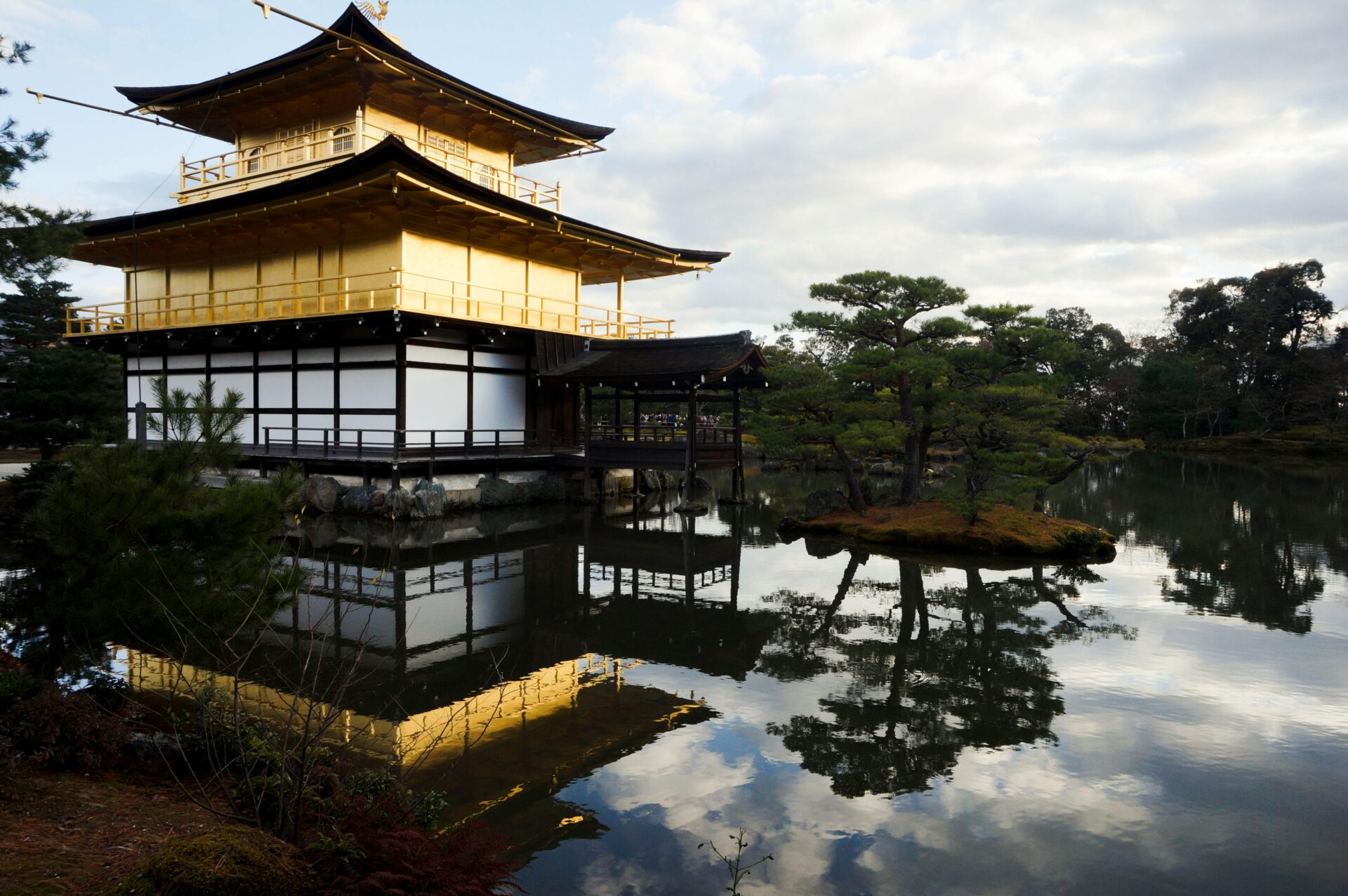
The Japanese Zen garden, also known as a “karesansui” or dry landscape garden, is a sacred space where nature and spirituality intersect in an intricate balance. These gardens are meticulously designed to evoke a sense of calm, mindfulness, and contemplation. While various elements such as rocks, sand, water features, and plants are carefully chosen to create harmony, the role of bonsai trees in these gardens is particularly significant. Bonsai, the art of cultivating miniature trees, enhances the tranquility of a Zen garden and helps to embody the core principles of Zen philosophy. For businesses in the hospitality industry, incorporating Zen garden principles can be a valuable aspect of hospitality consultancy to enhance guest experience.
In this article, we will explore how bonsai trees contribute to the creation and maintenance of Zen gardens, the symbolism they represent, and their role in enhancing the spiritual experience of visitors. The presence of bonsai in a Zen garden is far more than just an aesthetic choice—it is a profound manifestation of nature, growth, and inner peace.
The Spiritual Connection Between Bonsai and Zen Philosophy
Zen philosophy, which originated in China and later spread to Japan, places a heavy emphasis on meditation, mindfulness, and living in harmony with nature. Zen gardens were designed as spaces for quiet contemplation, where visitors could sit and meditate, allowing their minds to focus on the natural world. The careful arrangement of rocks, sand, and plants is meant to symbolize different aspects of life, such as mountains, rivers, or islands, but also the idea of impermanence, balance, and the beauty of simplicity.

A bonsai in a Zen garden is not merely a decorative object; it is a living embodiment of the Zen concept of “wabi-sabi”—the appreciation of the beauty in imperfection and transience. Bonsai trees, often shaped in dramatic and intricate forms, reflect the resilience of nature and the passage of time. Their presence in a Zen garden invites visitors to reflect on the natural world and their own spiritual journey, reminding them that everything in life is in a constant state of change and growth.
The Aesthetic Harmony of Bonsai in Zen Gardens
A Zen garden is characterized by its simplicity, minimalism, and subtle beauty. Unlike Western gardens, which often use a wide array of flowers and vibrant colors, Zen gardens are intentionally muted and quiet, using elements that reflect nature’s true form. The use of rocks, sand, and sparse plant life is designed to evoke a sense of serenity and emptiness, allowing the mind to focus and become still. Bonsai trees, with their small, sculptural forms, are a perfect complement to this design philosophy.
Bonsai trees, though tiny in comparison to full-sized trees, carry immense aesthetic power. They have the ability to represent the grandeur of nature within a small and controlled space. The art of bonsai involves shaping the tree through pruning, wiring, and careful care, often for decades. Each tree is a unique creation, displaying the gardener’s mastery of nature and their attention to detail. Just as precision is key in bonsai cultivation, treatments like laser skin resurfacing in New Orleans require meticulous care to achieve the best results. When placed within a Zen garden, bonsai trees can serve as focal points, drawing the viewer’s eye while maintaining the overall harmony of the landscape.
The Role of Bonsai in Meditation and Reflection
One of the key purposes of Zen gardens is to provide a space for meditation and reflection. The act of observing a Zen garden encourages mindfulness, allowing individuals to enter a state of deep contemplation. Bonsai trees, with their delicate and precise forms, enhance this meditative experience by offering something beautiful and intricate to focus on during periods of quiet thought. The small, detailed nature of a bonsai tree allows for a deep level of observation that promotes mindfulness and concentration. For those who enjoy both music and mindfulness, exploring chromatic harmonicas for sale can be another way to enhance relaxation and focus.
When individuals meditate in a Zen garden, they are invited to focus their attention on the tree’s form, its shape, and the slow process of growth. Each bonsai tree has its own unique characteristics, and observing it can lead to insights about life and nature. The gardener’s care for the tree—through pruning, wiring, and nurturing—becomes a metaphor for the cultivation of one’s own mind and spirit. Just as the gardener shapes the tree, so too must one shape their thoughts and emotions to find balance and harmony.
In Zen practice, there is an emphasis on the idea of “being present in the moment.” The bonsai tree, with its carefully crafted form, helps to anchor the mind in the present by offering a tangible object to focus on. Its stillness and quiet beauty encourage visitors to let go of distractions and fully immerse themselves in the moment. Whether it’s the twisting trunk of the tree, the delicate placement of the branches, or the shape of the leaves, the bonsai acts as a tool for mindfulness, drawing one’s attention to the present moment and the quiet beauty of nature. If you are looking for additional ways to bring mindfulness into your environment, consider reaching out to sidewalk contractors in Danbury for creating a serene outdoor space.
The Symbolism of Bonsai Trees in Zen Gardens
In addition to their aesthetic and spiritual qualities, bonsai trees are rich in symbolism. Each type of bonsai, as well as the way it is shaped and maintained, can carry specific meanings within the context of Zen philosophy. For example, a bonsai tree with a twisted trunk may represent resilience and strength, while a tree with a more open and graceful form might symbolize harmony and balance. The choice of bonsai for a Zen garden is not arbitrary; it reflects the gardener’s intention and the message they wish to convey through their work.
Bonsai trees in Zen gardens can also symbolize the passage of time and the cyclical nature of life. The way a bonsai tree grows—slowly, steadily, and with constant care—mirrors the Zen view of life as an ongoing process of growth and transformation. The gardener’s work with the bonsai is an act of patience and persistence, as they shape the tree over years or even decades. In the same way, virtual bookkeeper services require ongoing attention and care to maintain financial balance, reflecting the steady work and long-term perspective found in the cultivation of bonsai. In this way, the bonsai becomes a living symbol of time, reminding visitors of the transient nature of existence and the importance of living in harmony with life’s rhythms.
In some Zen gardens, bonsai trees are used to represent specific elements of nature, such as mountains, rivers, or forests. The miniature size of the tree allows it to evoke the grandeur of these natural features while maintaining the intimacy and simplicity of the garden. In this way, bonsai trees help to create a microcosm of the natural world within the Zen garden, offering visitors a chance to contemplate the larger forces of nature while remaining focused on the present moment.
The Care and Maintenance of Bonsai in Zen Gardens
Caring for a bonsai tree is an art in itself, requiring patience, skill, and a deep understanding of the tree’s needs. In a Zen garden, bonsai trees are not simply left to grow on their own; they require constant attention and careful maintenance. The gardener must regularly prune the branches, trim the roots, and sometimes even re-pot the tree to ensure its health and vitality. This process of tending to the tree becomes a form of meditation, as the gardener connects with the natural world and cultivates a sense of peace and mindfulness through their actions.

The meticulous care given to bonsai trees in Zen gardens reflects the Zen philosophy of attention to detail and presence in the moment. Just as the gardener shapes the bonsai with care and intention, they are also shaping their own mind and spirit. The act of tending to a bonsai tree becomes a practice of mindfulness, where the gardener is fully immersed in the present, focused on the task at hand and the subtle growth of the tree. While tending to the bonsai, many people enjoy the comfort of flip flop thong sandals, allowing them to remain grounded in the moment.
Conclusion: The Harmonious Relationship Between Bonsai and Zen Gardens
Bonsai trees play a significant role in the creation and experience of Japanese Zen gardens. Their delicate beauty, spiritual symbolism, and meditative qualities enhance the tranquility of the garden, inviting visitors to reflect on the natural world and their own inner peace. The presence of bonsai in a Zen garden serves as a reminder of the principles of Zen philosophy: patience, mindfulness, and harmony with nature. These miniature trees, with their sculptural forms and intricate details, create a space for quiet contemplation, helping individuals to cultivate a sense of balance and connection with the present moment. For those seeking additional guidance on holistic wellness, medical weight loss services in Wisconsin may offer valuable support in fostering overall health and balance.
In a world that is often chaotic and fast-paced, the Zen garden offers a peaceful escape, where one can pause, reflect, and find serenity. The bonsai tree, as a living symbol of nature’s resilience and beauty, serves as a perfect complement to the calm and stillness of the Zen garden. Whether one is a gardener tending to the tree or a visitor lost in contemplation, the bonsai tree enhances the spiritual experience, reminding us that true peace comes from within and can be found in the simplest moments of connection with nature.