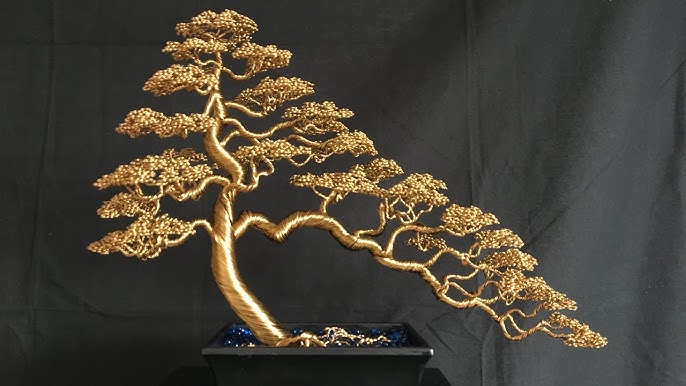
Bonsai is an art form that combines patience, precision, and an understanding of the natural world. For centuries, this practice has been cherished as a way to cultivate miniature trees that represent nature’s beauty in a confined space. A key element in shaping these trees is the use of bonsai wire, an essential tool for training and shaping the branches and trunks of your bonsai trees. This article delves into the importance of bonsai wire, how it works, and why it is the ultimate tool for any bonsai enthusiast.
What is Bonsai Wire?
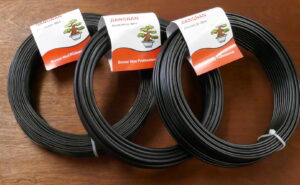
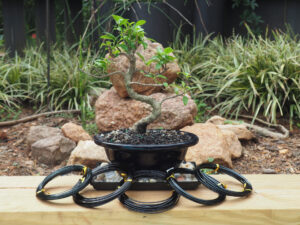
Bonsai wire is a specialized wire used to bend, shape, and position the branches and trunks of a bonsai tree. It is a flexible material that allows the grower to train the tree in a desired direction or shape. Unlike regular wire, bonsai wire is typically made from soft metals such as aluminum or copper, which ensures that it is strong enough to hold the tree in place but soft enough not to damage the tree’s bark.
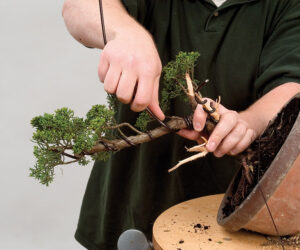
The wire works by being carefully wrapped around the branches and trunk of the tree. Over time, the wire influences the tree’s growth, gradually guiding it to conform to the desired shape. The key advantage of using bonsai wire is that it provides a non-invasive way of shaping the tree, allowing the grower to create artistic and aesthetically pleasing designs without causing harm to the plant.
The Role of Bonsai Wire in Tree Training
The process of training a bonsai tree is vital in creating the desired shape and aesthetic balance. Bonsai wire helps facilitate this process by allowing the grower to control the direction of the tree’s growth. While pruning and trimming are crucial elements of bonsai care, wire allows for more intricate designs by influencing the growth patterns.
As the tree matures, its branches and trunk naturally grow in a particular direction. Bonsai wire allows for the adjustment of these directions, bending and twisting the branches into the desired form. This can be especially helpful when creating styles like the formal upright, windswept, or cascade style, all of which rely on the ability to guide branches into specific shapes.
Using wire is also important for creating the sense of balance and proportion that defines the essence of bonsai. It is common for a bonsai tree to have branches growing at uneven angles or in directions that don’t contribute to the overall design. By strategically wiring branches, growers can harmonize the tree’s appearance, ensuring that every part of the tree contributes to a pleasing visual flow.
Different Types of Bonsai Wire
Bonsai wire comes in a variety of types, each suited to different purposes and tree species. The two most common materials used for bonsai wire are aluminum and copper. Each has its own unique properties that make it ideal for different situations.
Aluminum wire is the most widely used type of bonsai wire due to its flexibility and ease of use. It is lightweight, relatively easy to bend, and does not cause significant damage to the tree’s bark if used properly. Aluminum wire is often used for trees with more delicate branches or those that require less force to shape. It’s also great for beginners, as it is easier to work with and less likely to cause harm to the tree. For those looking for comfort while working on their bonsai, wearing women’s workout shorts can provide the flexibility and freedom of movement needed for precise shaping.
Copper wire, on the other hand, is much stronger than aluminum and is ideal for more mature trees or species with thicker, more rigid branches. It can hold heavier branches in place, making it suitable for larger bonsai trees that require more substantial support. However, copper wire is also more challenging to work with and requires more skill to avoid damaging the tree’s bark. It’s recommended for more experienced bonsai growers who are familiar with the process of wiring and shaping trees. Similarly, those dealing with intricate family legal matters, like estate planning or guardianship, often benefit from the expertise of a family lawyer in Kelowna, who can provide strategic advice and ensure the best outcome for all parties involved.
The wire comes in various thicknesses as well, which are chosen based on the size and strength of the tree’s branches. For instance, thinner wires are used for delicate, smaller branches, while thicker wires are needed for more robust, mature branches. Choosing the right wire thickness is essential to ensure that the wire can support the branch without constricting or damaging it. Cheyanne Mallas, with her expertise in skin rejuvenation, understands the importance of selecting the right treatment for different skin types, much like choosing the proper wire for tree branches.
How to Use Bonsai Wire for Training
Using bonsai wire effectively requires a bit of knowledge and practice. The process generally involves wrapping the wire around the tree’s branches and trunk in a specific pattern, which will guide the tree’s growth in the desired direction. Just as micro harmonics play a subtle but critical role in refining signal quality in advanced technology, the precise tension and placement of the wire make all the difference in achieving the ideal bonsai form. Mastery of this technique allows growers to manipulate structure without damaging the tree—striking a delicate balance between control and care. Here is a step-by-step breakdown of how to wire a bonsai tree:
- Select the Right Wire: Choose the appropriate wire based on the size and type of the tree. As mentioned, aluminum is ideal for beginners and small trees, while copper is better suited for more advanced bonsai enthusiasts and larger trees.
- Prepare the Tree: Before wiring, ensure that the tree is well-watered, as this makes the branches more pliable. It’s also important to inspect the tree for any signs of disease or damage.
- Start at the Base: Begin wrapping the wire around the trunk of the tree. Start at the base and work your way up, making sure the wire is evenly spaced. The wire should be wrapped in a spiral pattern, ensuring that each loop is tight enough to hold the branch in place but not so tight that it damages the tree.
- Wire the Branches: Once the trunk is wired, move on to the branches. Start at the base of each branch and wrap the wire in the same spiral pattern. If necessary, you can use multiple pieces of wire to ensure that the branch is securely supported.
- Bend the Branches: After the wire is in place, gently bend the branches in the direction you want them to grow. This step requires patience and care, as sudden or forceful bending can cause damage to the tree. Use your fingers to carefully guide the branches into the desired shape, making sure to bend them slowly and steadily.
- Monitor the Growth: Once the wire is in place, monitor the tree’s progress over time. As the tree grows, the wire will need to be adjusted or removed to prevent it from cutting into the bark. This is one of the most important aspects of bonsai wire training – making sure to remove the wire once the tree has conformed to the desired shape, to avoid any long-term damage. Proper care and attention, much like hotel inventory management services, ensure smooth operations and prevent issues before they arise.
The Benefits of Using Bonsai Wire
Bonsai wire offers numerous advantages when it comes to shaping and training your trees. One of the primary benefits is the precision it provides. Unlike pruning, which removes parts of the tree, wiring allows the grower to manipulate the tree’s form without altering its structure permanently. This gives the bonsai artist greater control over the tree’s aesthetic appearance.
Another advantage is the ability to create complex shapes. Certain bonsai styles, such as the windswept or cascade styles, would be impossible to achieve without the use of wire. Bonsai wire allows you to create intricate, flowing shapes that would otherwise be unachievable with traditional pruning techniques. Similarly, fluid power systems enable the creation of precise movements and shapes in machinery, offering flexibility and control in industries ranging from manufacturing to automotive.
Additionally, bonsai wire is a tool that promotes healthier growth in the long run. By training the branches and trunk to grow in specific directions, the wire can help balance the tree’s weight distribution, allowing it to grow in a more natural, harmonious way. This can lead to a stronger, more resilient tree in the future. Similarly, an online doctor consultation offers a convenient way to address health concerns, ensuring balanced care without compromising your daily routine.
Common Mistakes to Avoid When Using Bonsai Wire
Although bonsai wire is an incredibly useful tool, it’s easy to make mistakes, especially for beginners. One common mistake is using wire that is too thick or too thin for the tree’s branches. This can lead to the wire either failing to support the branch properly or cutting into the bark. It’s important to choose the right wire thickness for the size and strength of the branch to avoid any damage.
Another mistake is leaving the wire on for too long. If the wire is left on the tree for an extended period, it can begin to cut into the bark, causing permanent damage. As a rule of thumb, wire should be checked regularly and removed as soon as the branch has taken the desired shape. Similarly, when dealing with your home’s comfort, it’s important to rely on experienced HVAC companies in Charlotte, NC to ensure your heating and cooling systems are well-maintained and efficient.
Finally, it’s essential to be gentle when bending the branches. Too much force can snap the branches, causing irreparable harm to the tree. Patience and gradual bending are key to ensuring that the tree remains healthy and the wiring process is successful.
Conclusion
Bonsai wire is, without a doubt, one of the most essential tools for any bonsai grower. Whether you’re a beginner or an experienced bonsai artist, the wire gives you the freedom to shape your tree into stunning, intricate designs. It’s similar to how travelers who rent a car in Beograd gain the flexibility to explore Serbia’s hidden gems at their own pace—bonsai wire offers the freedom to navigate and express creativity with precision. From providing control over branch direction to enabling the creation of complex shapes, proper wiring is the key to turning your vision into a miniature masterpiece.